Americans are finally getting on board with live shopping. While the format has been exceedingly popular in Asia for years, it’s taken a while to catch on here. (Bloomberg
just reported that livestream app sales made up 60% of ecommerce in China in 2024 compared to 5% in the U.S.) The app Whatnot, though, has finally cracked the code in the U.S. with auctions that sometimes take place in seconds.
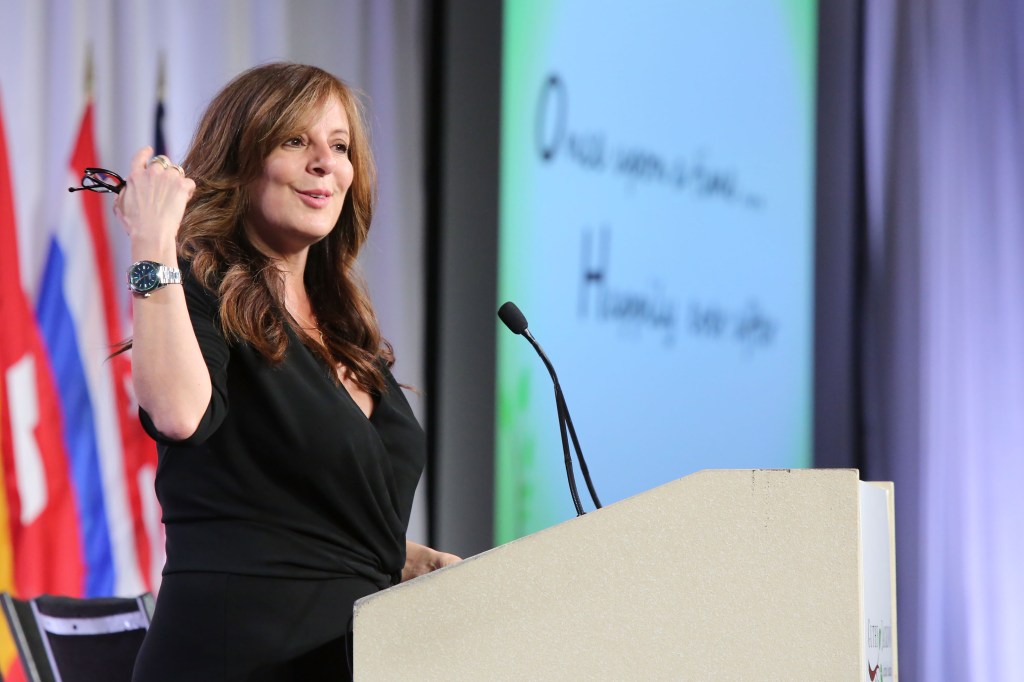
It’s an interesting development for Victoria Jackson, who built a namesake cosmetics brand in the 1980s and then sold her products via 30-minute infomercials and on QVC in the 1990s. She often did half-faces of makeup to show the impact of a look live on air. At the time, it wasn’t always a respected format. “Infomercials at the time had such a bad rap,” she told me recently. She didn’t understand why: “It was always so frustrating to me. I just get to have half an hour to tell my story and reach 20,000 new customers a week.” What was bad about that?
Now, in some ways, today’s shopping startups are rediscovering the model that Jackson helped build decades ago—only it’s being packaged for social apps instead of cable.
Now 70, Jackson last year returned to the beauty business with a new brand called No Makeup Makeup, a phrase she had trademarked decades ago. The brand sells a curated assortment, operating with the philosophy that less is more. Its foundations have a “flex shade technology” that adapts to match different skin tones, so it only sells 13 shades that look different on everyone. People have a hard time believing that one of the 13 shades will work for them, so Jackson has been demonstrating the formulas on—where else?—QVC.
While different audiences might be watching QVC compared to those browsing TikTok Shop, the rise of live commerce elsewhere, plus beauty tutorials on
YouTube, has helped dissipate some of that infomercial stigma. Beauty has become a natural fit for live commerce because consumers want to see texture, color matching, and application in real time. QVC has never quite cracked digital, but algorithmic discovery on TikTok and the rise of creators translated the format QVC pioneered to a new generation. QVC
filed for Chapter 11 bankruptcy last month but said its shopping shows will continue and it’s viewing the bankruptcy as a reset as it pursues growth again.
It could capture growth in the AI era where we’re all inundated with manipulated content or even just highly curated posts from influencers. Live is appealing to shoppers. “You can’t fake on QVC. You can’t fake on live TV,” Jackson says.
Emma Hinchliffeemma.hinchliffe@fortune.comThe Most Powerful Women Daily newsletter is Fortune’
s daily briefing for and about the women leading the business world. Subscribe here.