Before we get into today’s column, check out the exclusive returns Katie reports Founders Fund, Valor Equity Partners and Sequoia Capital could make if the SpaceX IPO is valued at $1.75 trillion.
For the past two days, I’ve been at JP Morgan’s annual tech conference in Boston. As usual, AI has dominated most of my conversations with investors. But in a change from the past few months, it’s not Anthropic and OpenAI driving those discussions—but hardware and utility companies a few steps removed from what the AI model makers do.
On Monday, for example, NextEra Energy and Dominion Energy agreed to a $400 billion tie-up driven in part by AI’s voracious demand for energy, the two utility giants said. That’s also happening at the chip level: Analog Devices, as we reported Monday night, is buying a startup whose chips help manage power transmission to the semiconductors that handle AI functions.
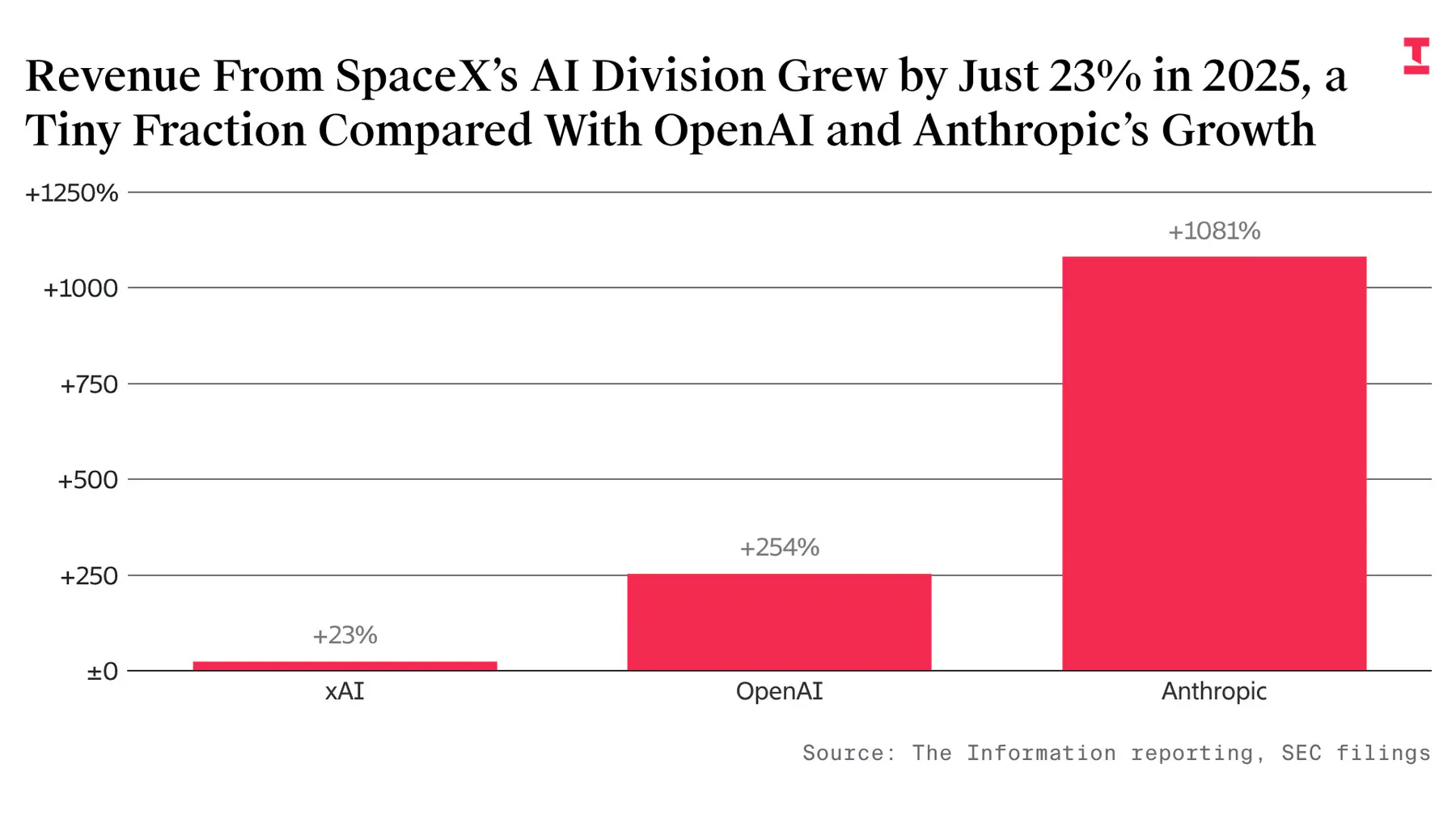
Then there is SpaceX, which is expected to make its initial public offering prospectus public as soon as Wednesday. We and other outlets have reported many of the details of the offering already. Still, investors from large mutual fund managers like Fidelity and Wellington Management they’ll still scroll for revelations from the paperwork. A key point of interest is how SpaceX discusses its AI business, which recently absorbed Musk’s xAI—and could soon acquire coding agent Cursor.
While Musk has tried to remake SpaceX into an AI company over the past four months, buzz around the IPO has been drawing attention to other startups taking on the incredible feat of putting rockets in space.
An executive from Blue Origin, Jeff Bezos’ rival launch company, was seen at the conference, meeting investors and an executive from satellite designer AST SpaceMobile.Blue Origin, which botched the launch of an AST SpaceMobile satellite in late April, has told staff it may raise more money from external investors, The Financial Times reported last week.
Space aside, AI chips—notably those designed by Nvidia challenger Cerebras—have sweetened the outlook for more IPOs this year. Cerebras’ shares have risen 64% since their IPO last week. That’s helping big investors forget about the poor performance of last year’s IPOs and a sell-off in tech shares prompted by oil spikes and fears about the impact of Anthropic’s latest product releases on incumbent software providers.
J.P. Morgan, for its part, points to the numbers. U.S. companies have raised more than $32 billion from initial public offerings this year, nearly three times higher than this time last year, and newly public companies have risen an average of 17% since their IPOs, said Keith Canton, global head of private capital advisory and solutions.
It wasn’t all wine and roses. In closed-door meetings, there was a noticeable split in moods between those perceived to benefit in the AI boom and those perceived to be disrupted by AI, attendees told me.
While executives and investors of chipmakers and new cloud providers were giving high-fives to each other, the mood was more downbeat for enterprise software companies, some attendees said. The latter have been trying to remake themselves as AI companies via a spree of deals and new AI releases.
“There’s a critical question facing many software companies: can they evolve into truly AI-native organizations, or will partnerships and acquisitions be necessary to accelerate the shift toward a more AI-driven future?” said Chris Grose, co-head of technology investment banking at JPMorgan.
That’s no doubt why many attendees lined up to hear directly from the company that triggered the seismic quake rattling investors: OpenAI. The ChatGPT maker sent its CFO Sarah Friar to deliver one of the main keynotes of the conference.
Save the date for The Information’s annual AI Agenda Live in San Francisco, where top AI researchers, founders, investors and executives come together for a day of conversations about the breakthroughs and applications shaping the future of AI.
Save the Date: The Information returns to Napa Valley October 27-28 to convene senior women across tech, media, and finance. The event will feature two days of intimate, candid conversations with the leaders navigating today’s global shifts.