Hello!
I’m back from my sun-filled nuptials, which took place on the first day of Britain’s two-week heatwave. As guests fanned themselves in a warm, non-air-conditioned room, I couldn’t help wondering when Britain will move beyond the same old debate about aging infrastructure and poorly insulated buildings.
Thousands of households in southeast England were left without water or facing low pressure during the record heat. Click here for a Reuters story on the UK’s heatwave. But before diving deeper into Europe’s soaring temperatures, here are some interesting mining-related stories I’ll be digging into this week: - Reuters for the first time has tallied the scale of China’s rare earths research and education system. Click here to check that out.
- The EU has started its first investment roadshow in South Africa targeting minerals.
- Billions of dollars worth of gold is still being extracted illegally from Brazil's Amazon rainforest.
- Australian rare earths miner Viridis Mining and Minerals is in advanced talks with buyers in Europe and the U.S. for its Colossus mine in Brazil. |
|
|
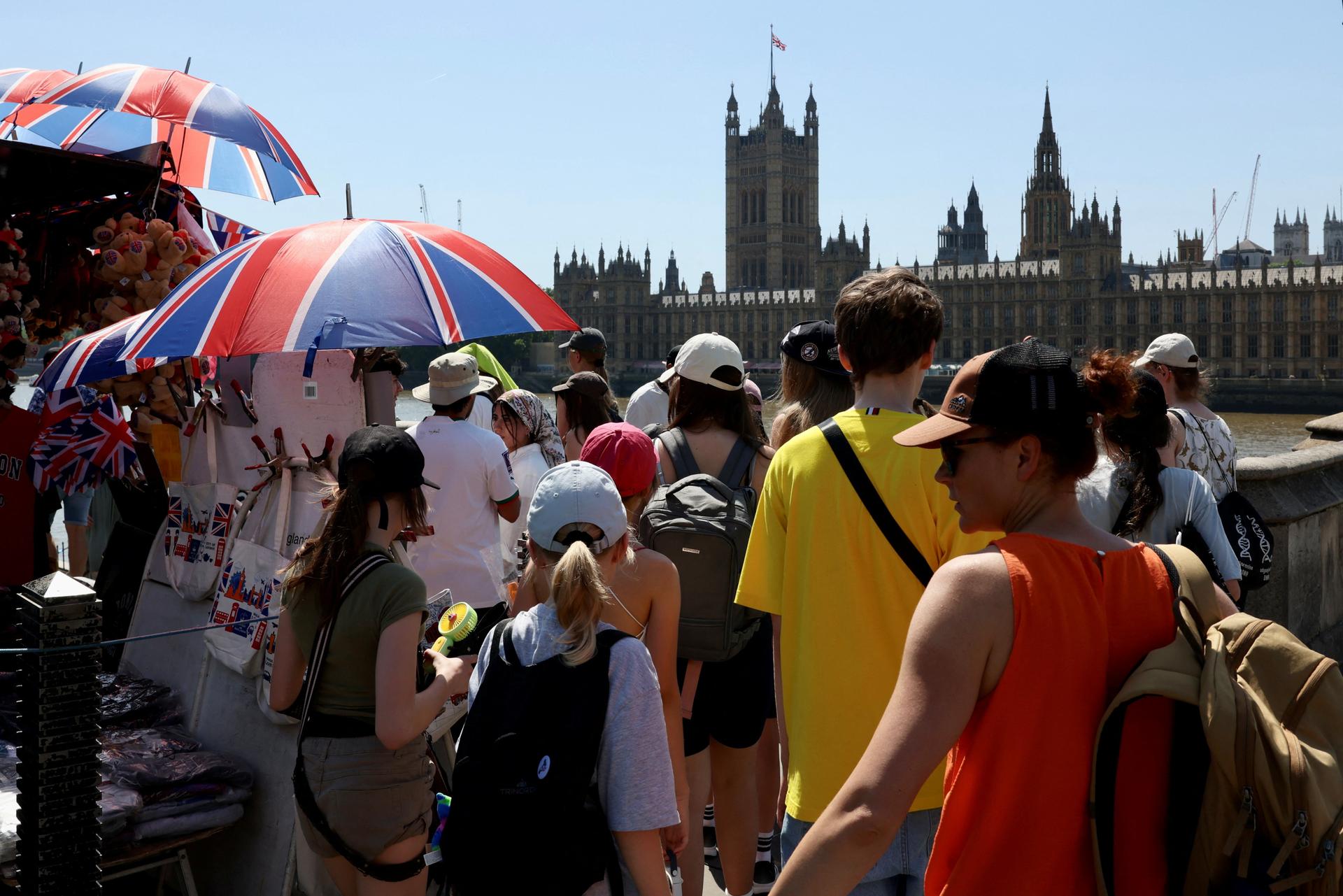
Tourists walk past a souvenir vendor during a heatwave as the UK experienced record temperatures for the month of May in London, Britain. REUTERS/Kevin Coombs |
Britain, like much of Europe, has been hit by extreme heat over the past week, driving up water demand. Well-below-average rainfall levels in March and April have left some reservoirs under pressure, according to the Environment Agency.
In France, seven people have died directly or indirectly due to the heatwave, Junior Energy Minister Maud Bregeon said on May 26, which was the hottest May day ever recorded in the country, according to the national weather service.
In Portugal, midsummer-like heat is already baking parts of the country, as army units and forestry agents rush to clear woody debris left by severe storms earlier this year ahead of the summer wildfire season. |
|
|
|
Canada’s oil and wildfire problems |
Europe is not alone. Wildfire season has returned to Canada's oil sands region amid recent heat. Canada is the world's fourth-largest oil producer, with most output concentrated in northern Alberta's boreal forest.
Wildfires are a long-standing risk in the region, but climate change has made them more frequent and severe. |
The United Nations weather agency said on Tuesday it expects a moderate or possibly strong El Nino, which could push global temperatures higher and raise the risk of extreme weather in coming months. Click here for an El Nino explainer. Average global temperatures are forecast to reach near-record levels over the next five years, with Arctic warming outpacing other regions, according to a report from the U.N. weather agency and the UK’s Met Office. Click here to read more.
But rising temperatures pose challenges beyond weather alone. “Health is the most human face of climate change – it affects everyone, especially children, and disproportionately harms the poorest communities,” according to Ani Dasgupta, president and CEO of the World Resources Institute.
“Investing in anticipating climate-related health risks can save lives and deliver returns many times over,” he added. The WRI warns that rising temperatures are driving more frequent and severe heatwaves, while floods and extreme weather are accelerating the spread of infectious diseases and straining healthcare systems.
Keep scrolling for more on the protests that have erupted in Kenya over a plan by the U.S. to set up an Ebola quarantine facility at a military base there to serve Americans who have been exposed to the virus from the Democratic Republic of Congo and Uganda. |
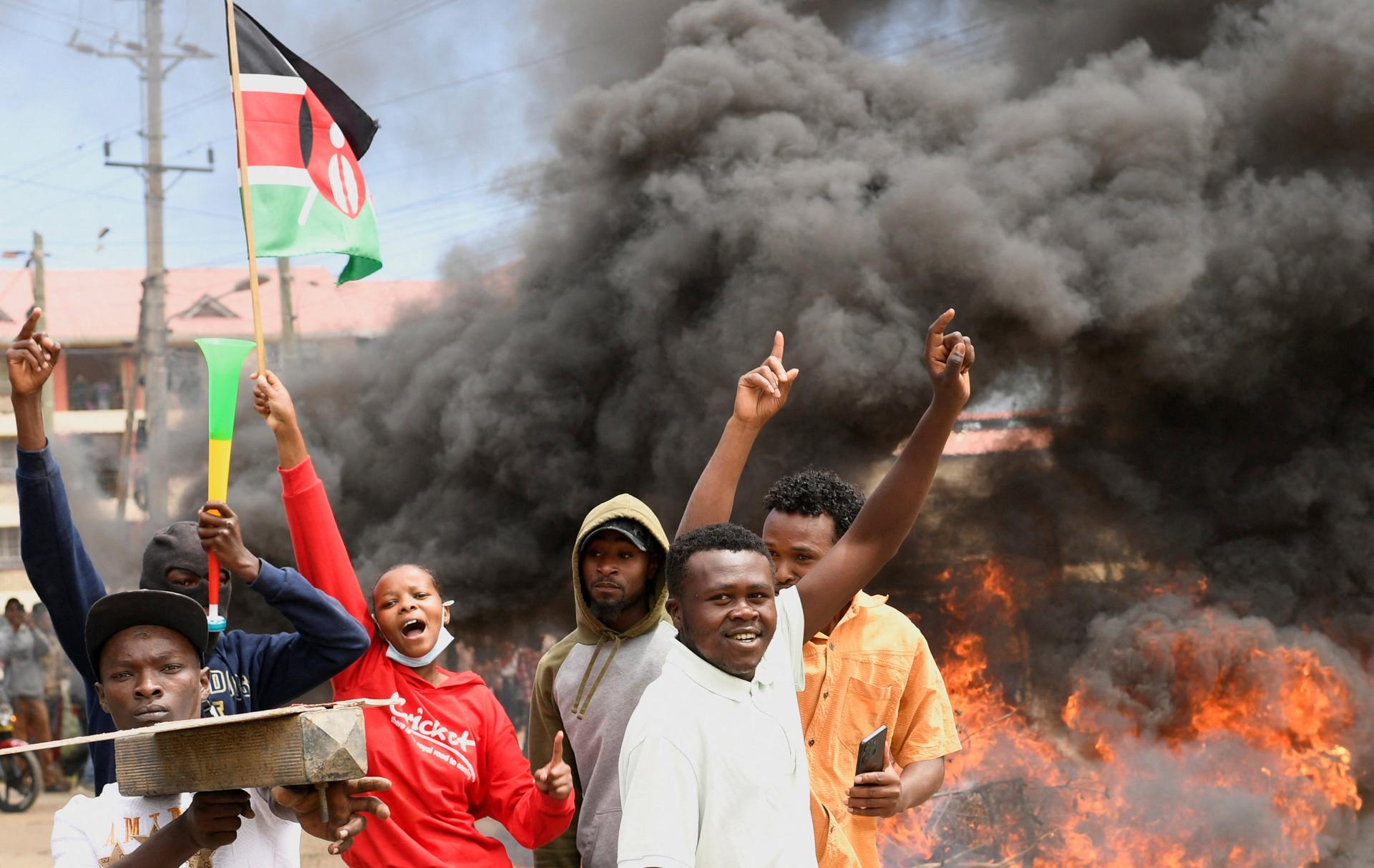
Protests against a U.S.-backed Ebola quarantine plan at a Kenyan air force base to host Ebola-exposed Americans. Nanyuki town, Laikipia County, Kenya. REUTERS/John Muchucha |
-
Kenya anti-US and Ebola protests: Hundreds of people took to the streets in the central Kenyan town of Nanyuki on Monday to protest against U.S. plans to set up an Ebola quarantine facility at a military base there, residents told Reuters, days after the High Court ordered the government to suspend the plan temporarily, arguing that the site could endanger public health.
-
Ebola recoveries: Although there have been hundreds of confirmed Ebola cases in the Democratic Republic of Congo, there are signs of hope as four nurses who were being treated for Ebola caused by the Bundibugyo strain of the virus have been discharged from a hospital in Bunia after recovering from the disease, the World Health Organization said. Click here for the full story.
- Ghana anti-LGBT law: Ghana’s parliament last week approved the Human Sexual Rights and Family Values Bill, 2025, that criminalizes the so-called promotion of LGBTQ activity, part of a broader crackdown on sexual minorities in West Africa.
-
Britain’s Rwanda migrant deal: Britain will not have to pay Rwanda tens of millions of pounds over a cancelled deal to deport asylum seekers to the East African nation, the Permanent Court of Arbitration, an international Hague-based body, said on Monday. Kigali was asking for at least £60 million ($80 million), the court documents showed. In the end, only four people went voluntarily to Rwanda before the program’s cancellation.
- EU deportation laws: European Union lawmakers and governments on Monday agreed new rules allowing countries to send migrants ordered to leave the bloc to centres in third countries, a move that has drawn sharp criticism from rights groups that warn it could enable abuses.
|
|
|
|
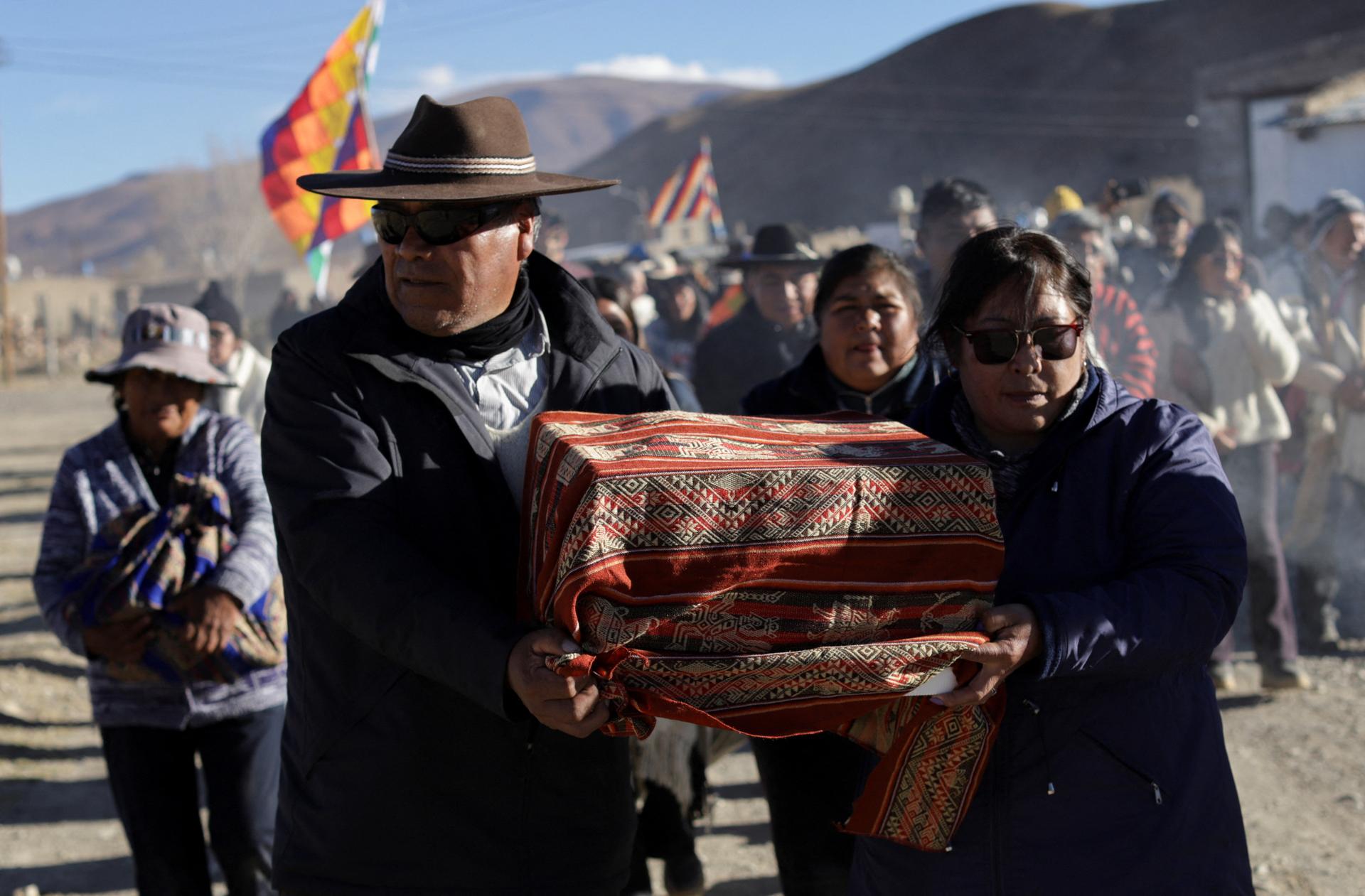
A ceremony of the return of an Inca-era child mummy following about 120 years in a Buenos Aires museum, El Moreno, in Jujuy province, Argentina. REUTERS/Gianni Bulaci |
Today’s spotlight focuses on restorative justice and community as the mummy of a child from the Inca period, discovered frozen in 1905 on a mountain in northwestern Argentina, has been returned to an indigenous community after spending 119 years in a Buenos Aires museum.
Since the discovery, the child's remains have been stored in the Juan B. Ambrosetti Ethnographic Museum, overseen by the University of Buenos Aires (UBA). For decades, the indigenous communities of the Puna region in northern Argentina have demanded the mummy's restitution. |
|
|
|
Sustainable Switch was edited by Mark Potter. |
|
|
|
|