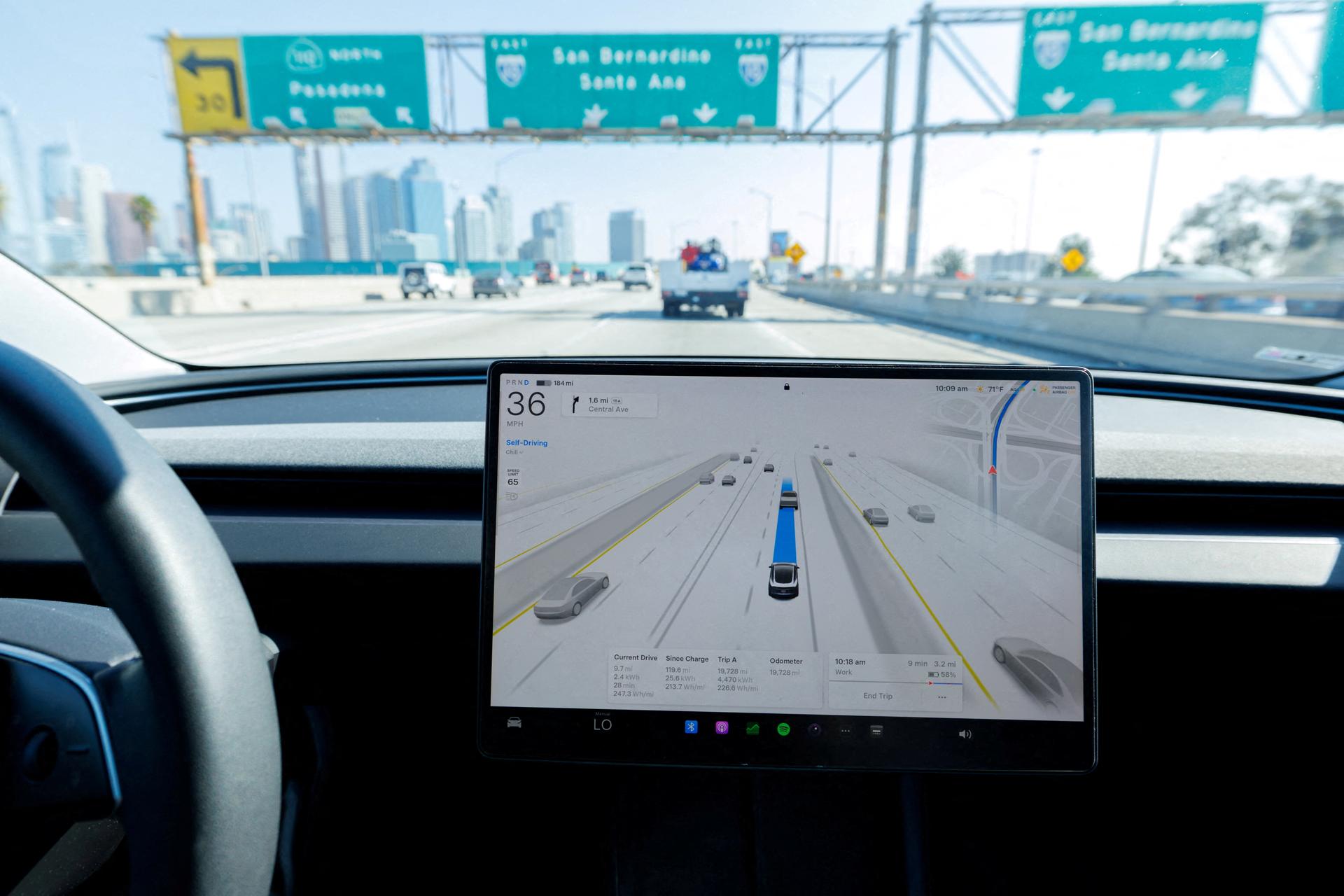
At a nondescript office in Utah, hundreds of Tesla employees spend their days watching videos of the company's cars hitting deer, cats and dogs, speeding through traffic, missing hazards and sometimes coming dangerously close to children playing in the street. Known as data labelers, these workers train Tesla's AI-powered FSD software by identifying good and bad driving behaviour.
The people doing that work have now delivered one of the clearest pictures yet of the challenges facing Tesla's autonomous-driving ambitions. Read the full story here.
In a deeply reported investigation by Reuters journalists Chris Kirkham and Rachael Levy, former Tesla employees described a system that still struggles with some basic driving situations, even as executives tout its safety and autonomous capabilities.
The reporting also reveals how employees worked long hours preparing routes and training software ahead of public demonstrations, raising questions about how representative some of Tesla's highest-profile showcases really were.
Reuters also examined Tesla's safety statistics.
For years, Musk and other executives have pointed to company data showing FSD is significantly safer than human drivers. Reuters reviewed Tesla's methodology and interviewed traffic-safety experts, many of whom said the comparisons were misleading and failed to meet the standards expected of rigorous safety analysis.
The findings matter because Tesla is no longer merely selling cars. Investors increasingly value the company as an artificial-intelligence and robotics business. And now they have been waiting to see whether the company can deliver the fully autonomous future that underpins much of its $1.6 trillion market value.
Tesla didn’t respond to detailed questions from Reuters for the report.