
| Forwarded this email? Subscribe for more |



 |
| By The Free Press |
It’s Thursday, June 4. This is The Front Page, your daily window into the world of The Free Press—and our take on the world at large. Today: What was Candace Owens up to in Moscow? An AI founder on why AI won’t take your programming job. Jon Meacham on the novel that explains America. And much more.
But first: Frannie Block on why she’s still following the Qatari money.
I started covering Qatari influence campaigns in the United States because of a map.
The map, which hung in a public elementary school in Brooklyn, depicted the “Arab world”—only Israel wasn’t on it. The classroom in which it hung, I uncovered, was funded by a nonprofit called Qatar Foundation International, run by the wife of Qatar’s emir. It turns out, in a four-year time span, QFI had given over $1 million to the New York City Department of Education.
Yesterday, QFI reportedly announced it would be “winding down” its operations—perhaps a sign that the Gulf country is wary of scrutiny as more people ask, “Why is this tiny, oil-rich country in the Gulf spending so much money in America?”
My colleague Jay Solomon and I spent months trying to understand just how much Qatari money was making its way into American life. The investigation we published last year revealed nearly $100 billion of Qatari investments in key American industries, including education and defense—and exposed how Qatar sought to curry favor with politicians and the American public on both sides of the aisle.
But widen the lens and the issue only grows in size. Today, a new report by the Foundation for Defense of Democracies tallies more than $400 billion in Qatari spending in the U.S. since 2010. The list goes on and on—each example another reason for worry and outrage about Qatar’s influence over American life. Read my story for the latest developments on one of the most overlooked stories in the country.
—Frannie Block
 |
He Defended a Terrorist. Will Democrats Embrace Him? | ||||
 | ||||
|
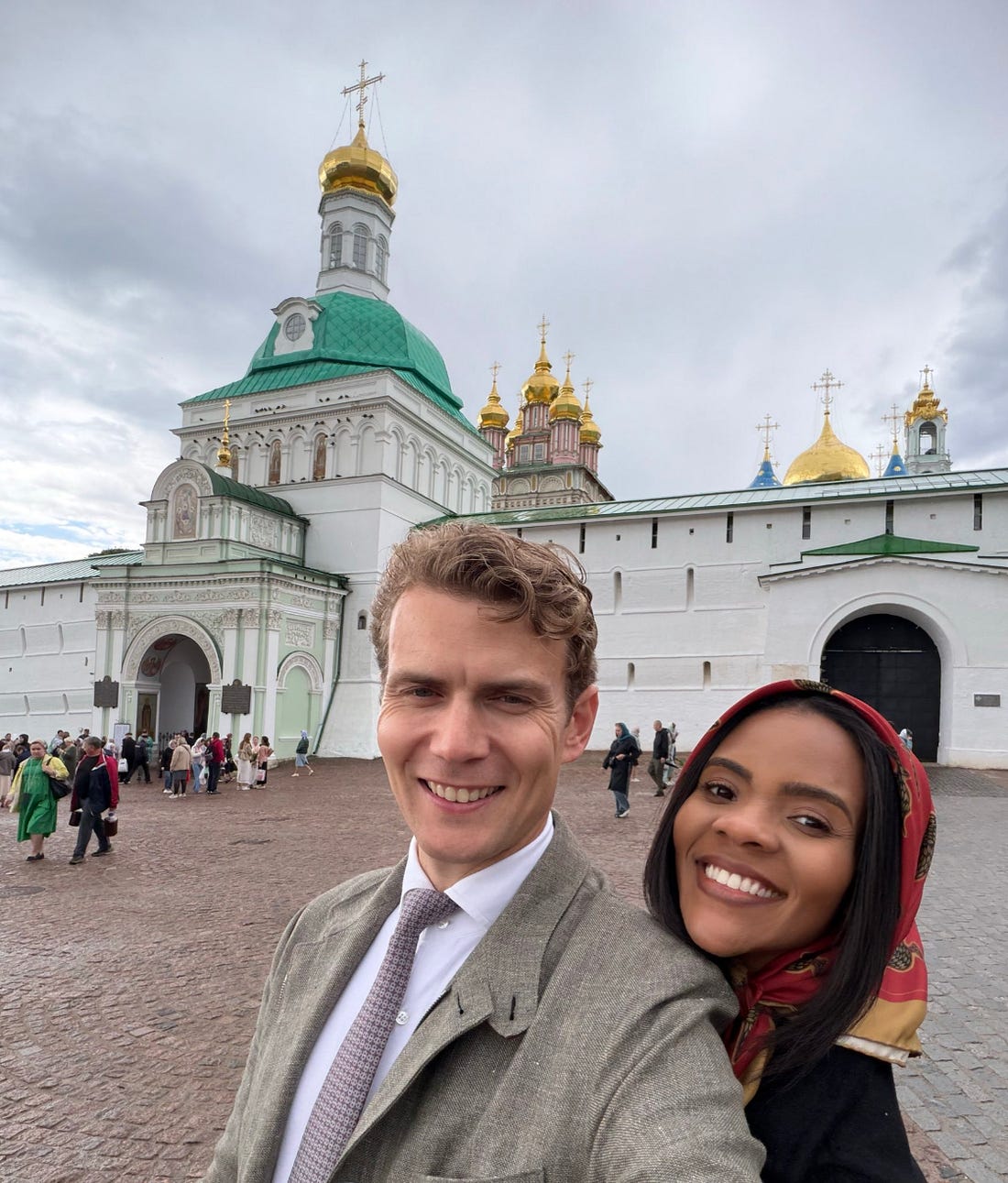
Why Candace Owens Went to Russia | ||||
 | ||||
|
I Built an AI Company. Here’s Why AI Won’t Kill Coding Jobs. | ||||
 | ||||
|
The WWII Novel That Explains America | |||||||||||
 | |||||||||||
|


|
For the latest installment of our new Great Americans series, Daniel Akst tells the story of Elisha Otis—the Vermont farm boy who made the American skyscraper possible. Before Otis, elevators could plummet if their ropes snapped. His invention, the safety hoist, fixed that. Otis, Daniel writes, “embodied a country hell-bent to build.” Read his piece on the man who gave America its skyline.