A fresh take on culture, fashion, cities and the way we live – from the desks of Monocle’s editors and bureaux chiefs.
|
Saturday 6/6/26
|

|
|
London
Paris
Zürich
Milan
Bangkok
Tokyo
Toronto
|
|
|
|

PICTURE THIS
This week’s dispatch starts at the new
Quentin Blake Centre for Illustration in London. Then we stop for coffee at
Shibuya’s Saharan Salt Club and stock up on a few rare vintages as Joseph Stalin’s cellar heads to the auction block. Plus: the Monocle Concierge has the inside word on Singapore thanks to our handy City Guide. Getting the ball rolling is our editor in chief, Andrew Tuck, with a report from the road.
|
|
Montevideo might be small but it knows how to appreciate good architecture
By Andrew Tuck
|

|
Runners are heading along La Rambla sporting jackets and leggings to keep out the chilly wind sweeping in off the Río de la Plata. On the beach, dog walkers are letting their hounds play fetch on the vast arc of sand. It’s autumn, of course, and the ginkgo trees are covering the pavements in brimstone-yellow leaves while the doormen who attend to the modernist apartment buildings that line the coast road are out chatting with tenants heading to work. It’s a city stretching awake, limbering up for another day.
Air travel still amazes me. Now it did take almost 18 hours and a change of plane in
Madrid but – almost – suddenly, you can switch seasons, arrive in a city you have never visited and start assembling a new mental database from scratch. Everyone keeps saying that we need to come back in summer but this autumn-cloaked capital has been a revelation. Welcome to Montevideo.
|
We landed at Carrasco International Airport on Tuesday night. The terminal is compact – it has just eight gates – but it’s beautiful: a single, sweeping white building, designed by Uruguayan architect Rafael Viñoly. We seemed to be the only flight landing at this hour and by the time we headed out to the taxi stop it was just us standing on the forecourt under the airport’s soaring roof. We were in our hotel 30 minutes later.
Montevideo might be small – some two million people call the metropolitan area home – but it is poised and polished. Between meetings – I am on the road with my London colleague Rebecca and Nicholas, who works for Monocle out of Santiago – I have snuck off to walk the streets of the neighbourhoods near our hotel: Pocitos, Punta Carretas and Parque Rodó.
In these affluent neighbourhoods there is no sign of the edginess that you feel in similar barrios in other Latin American cities. While Masterson Seguridad signs are plentiful, few buildings are barricaded behind the sort of metal fencing you see in, say, Rio. Though a nice café owner did tell me to be wary of pickpockets, so perhaps my risk radar needs some tuning.
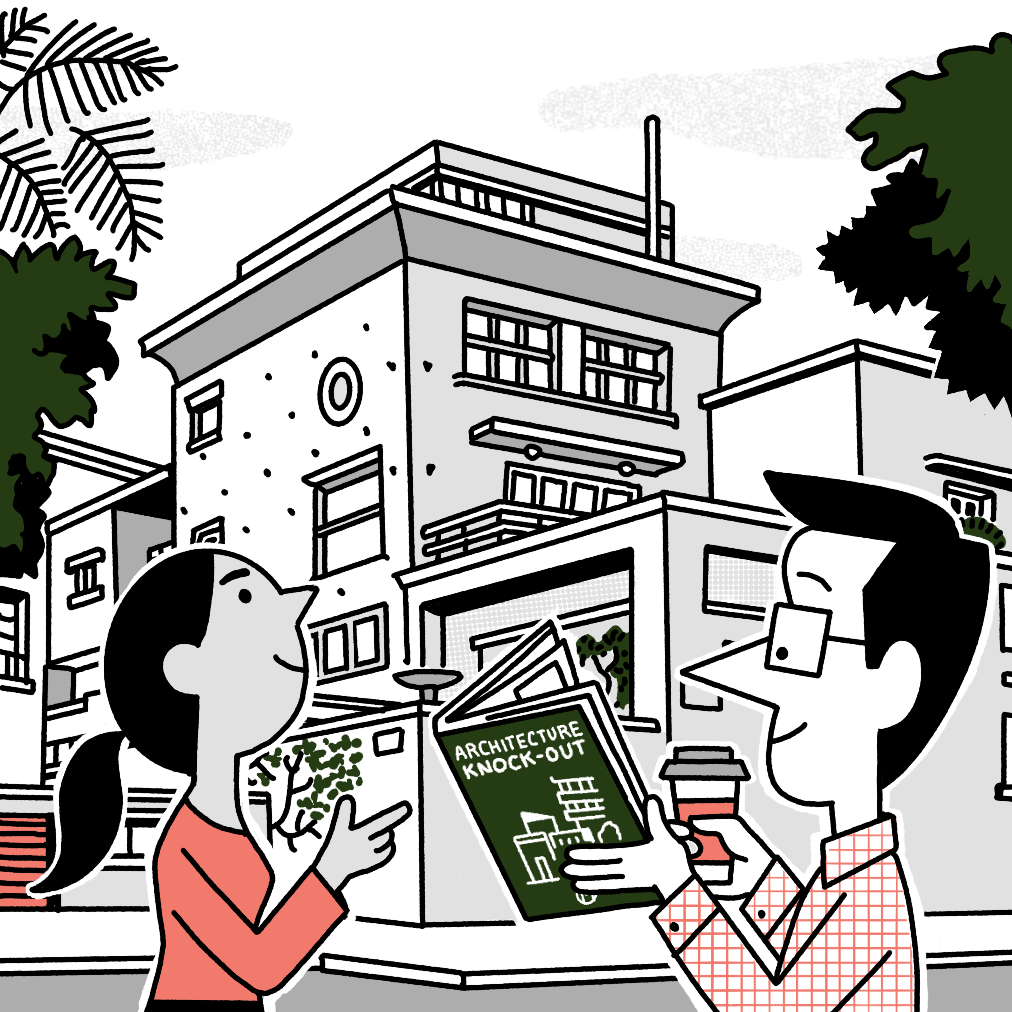
And the architecture is knock-out – well, if you are a sucker for gems from the 1950s and 1960s. There are celebrated buildings such as the huge housing block Edificio Panamericano. But what’s most impressive is just the sheer number of impeccably maintained residences. They have names that play on suggestions of European glamour – St Moritz, Saint Laurent, Cap Ferrat – all rendered in gold lettering. I also found an Edificio Andy, which I am sure is the best address in town.
It’s hard to think of another metropolis that has such a legacy of design from this period. And people clearly appreciate the power of good architecture – most buildings proudly display signs revealing who authored them.
On Thursday night we met up with a former Monocle correspondent who lives in Montevideo. She took us to an old-school joint, Bar Paysandú, and told us more about how life unfolds here, about the city’s unwritten codes. She recently bought a house nearby and loves Montevideo as a base for reporting across South America – the fact that she returns to a city where she feels safe and can traverse the streets on a bicycle. In the close embrace of the cosy bar, you could feel its charm, though the
vermút in hand might also have had a small influence on the hunkered-down mood.
To read more from Andrew Tuck, click here. Further reading? Is Uruguay South America’s next cinema hotspot? It certainly has reel potential.
|
|
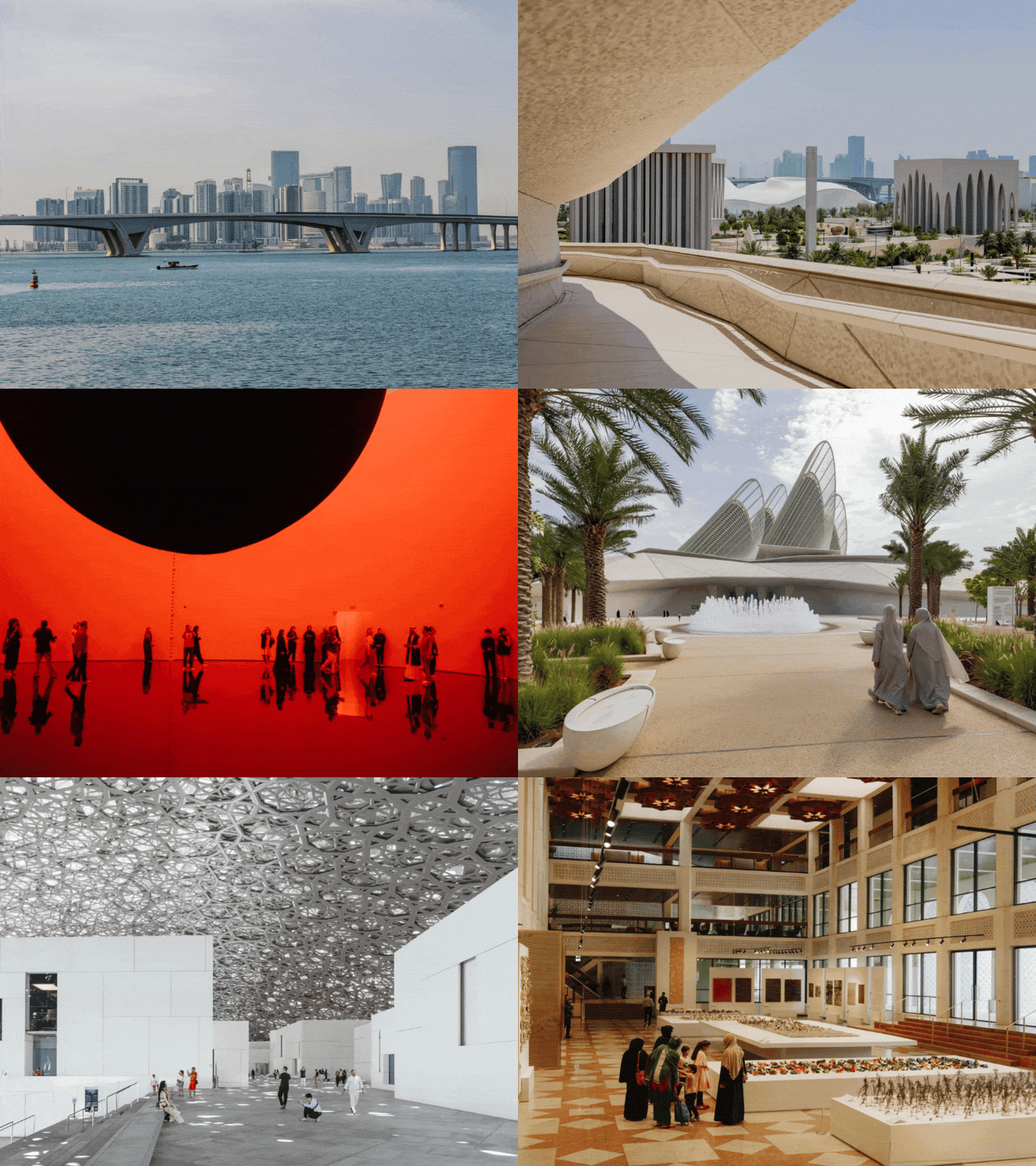
Abu Dhabi: A Home of Creativity
|
CULTURE CUT:
Quentin Blake Centre for Illustration, London
London’s Quentin Blake Centre for Illustration seeks to draw new audiences to the art form
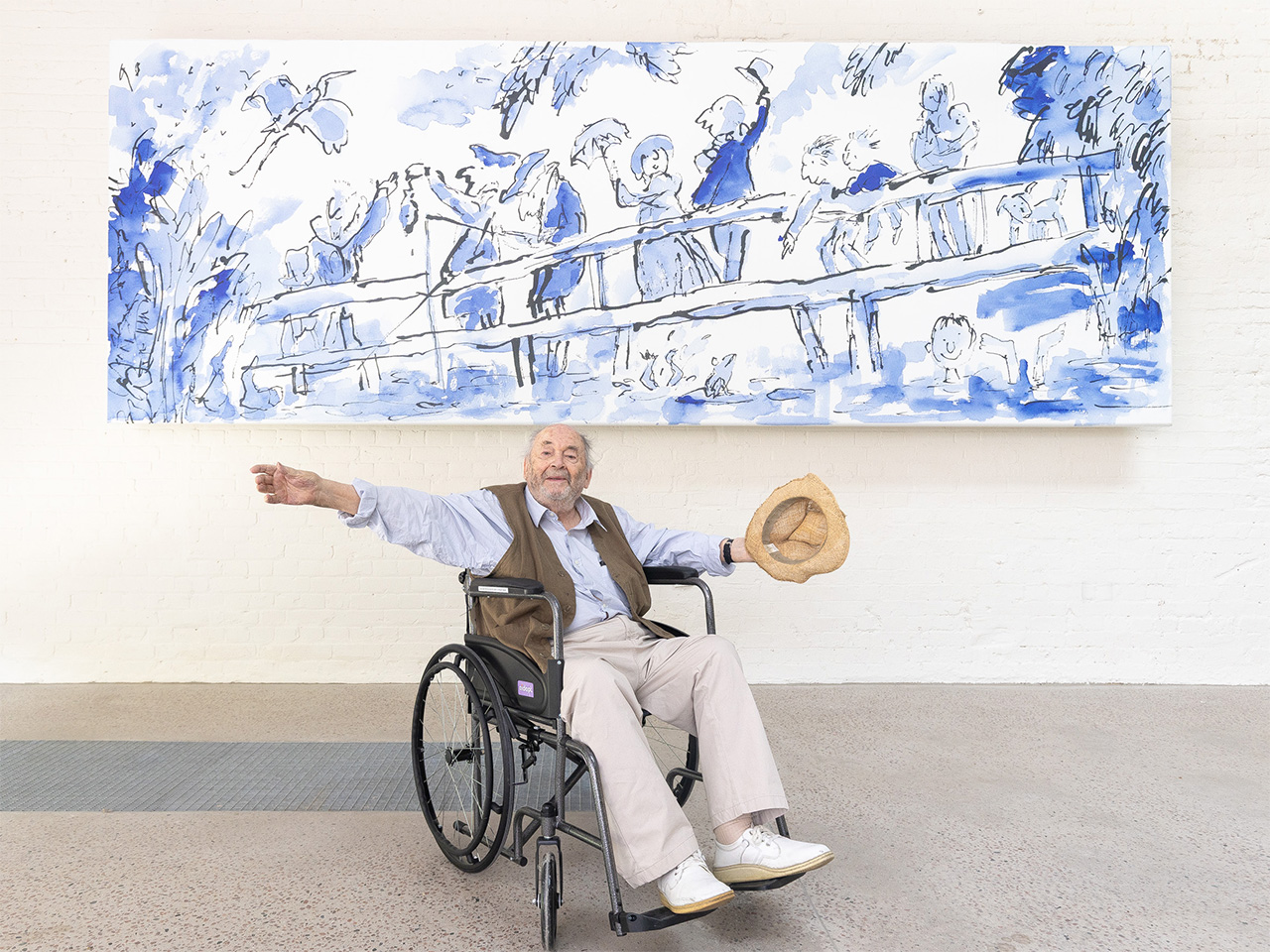
The Quentin Blake Centre for Illustration in London’s Clerkenwell opened yesterday (writes Sophie Monaghan-Coombs). The museum is both a monument to a national treasure and a celebration of a medium in dire need of protection.
|
|
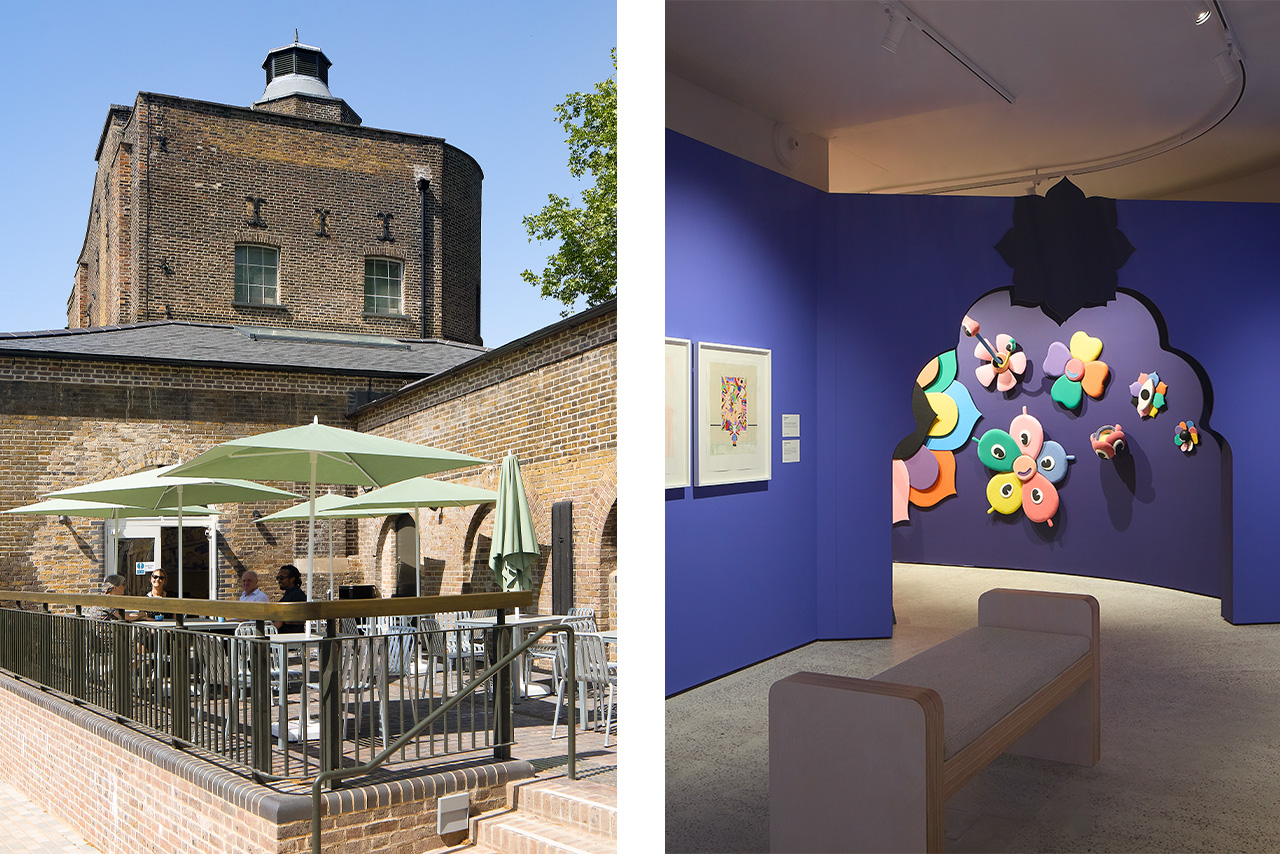
The project has been decades in the making – a dream of illustrator Quentin Blake since he was children’s laureate in 1999. Now it arrives as the world’s largest space dedicated to illustration. The site is unusual – an 18th-century waterworks, which has been derelict since the 1950s – and comprises three exhibition spaces, a café, shop, gardens and a library. The breadth of the art form is apparent through children’s story books, comics, graphic novels and more on display. “We think of illustration as art with a job to do,” says the centre’s artistic director, Olivia Ahmad. “It’s art that’s trying to tell you something specific: that might be a story or an instruction, or it might be trying to persuade you of something for good or bad.”
Want to learn more about the centre’s new exhibits? Read more here.
|
|
RETAIL UPDATE:
Saharan Salt Club, Tokyo
Hot dogs are coffee’s latest companion at Shibuya’s Saharan Salt Club
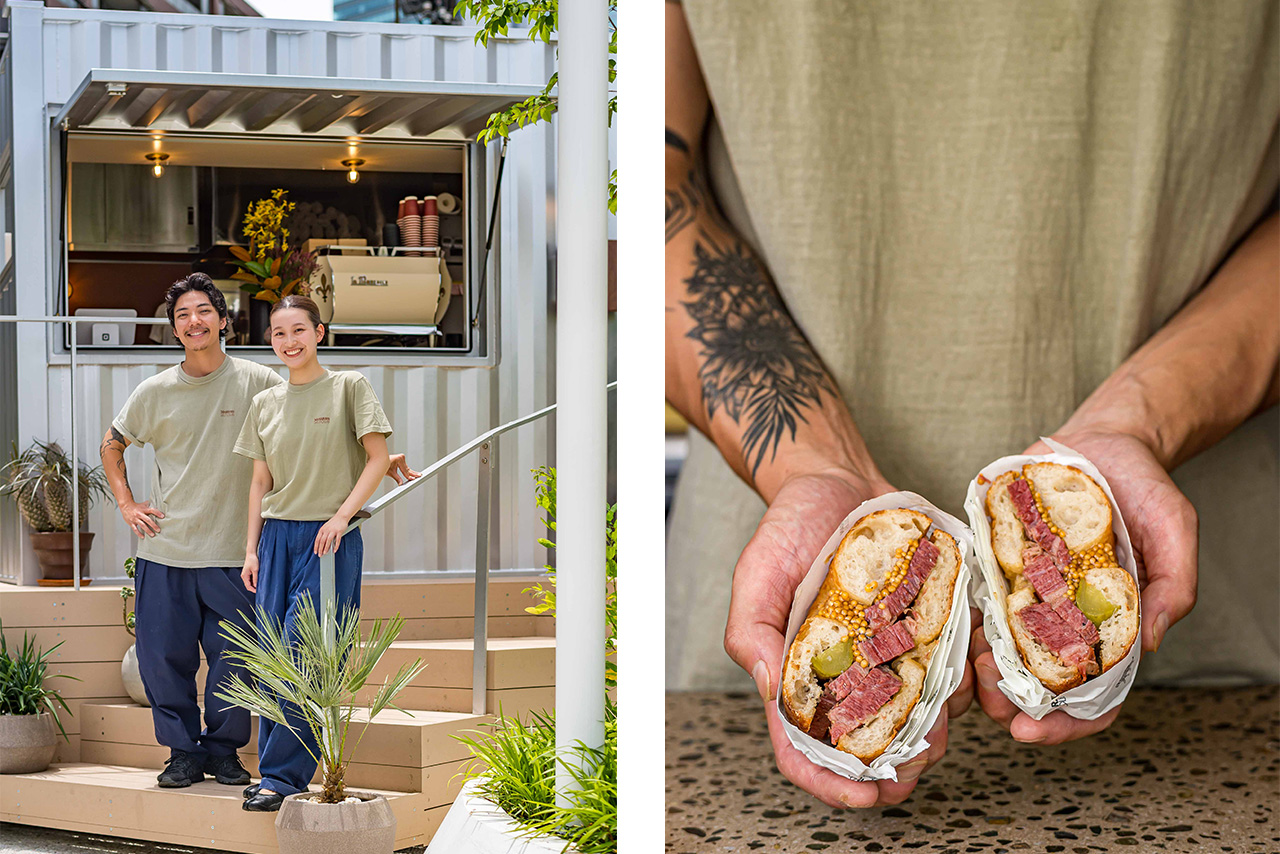
Hayato Naruse, co-founder of Camelback – the Tomigaya coffee and sandwich counter that won the neighbourhood’s devotion years ago – has opened a new spot in Shibuya (writes Luke Tamada). Though only minutes from the station, Saharan Salt Club feels pleasantly removed from the fray, with ample outdoor seating and the same unfussy excellence that has long defined Naruse’s work.
|
The coffee on offer is Camelback’s original blend: a rich satisfying roast designed to be paired with food – the Tomigaya shop’s celebrated
tamago sando being the obvious case in point. This time, Naruse has given caffeine a new partner: the Saharan Salt Dog. The hot dog is served between a pillowy bun, and finished with whole-grain mustard and fresh basil. Naruse sources the bread from Shōpain Artisan Bakehouse, a small bakery in the city of Nasushiobara in Tochigi prefecture, which works exclusively with domestic wheat and wild-cultivated yeasts. He spent months refining the balance between bread and filling.
The menu also includes sardine and salt-beef bagels, while a trio of fries (potato, onion or mushroom) make for a worthwhile side order. Round things out with a matcha latte, cold beer or an Earl Grey gin and tonic – but the coffee alone is reason enough to make the trip. It’s a good way to start the day in Shibuya.
On the hunt for more refreshing coffee-shops? Check out our round-up of 25 groundbreaking brands from around the world.
|
|
What am I bid?:
Joseph Stalin’s wine cellar
Here’s your chance to share a bottle with Napoleon, the Romanovs and Stalin
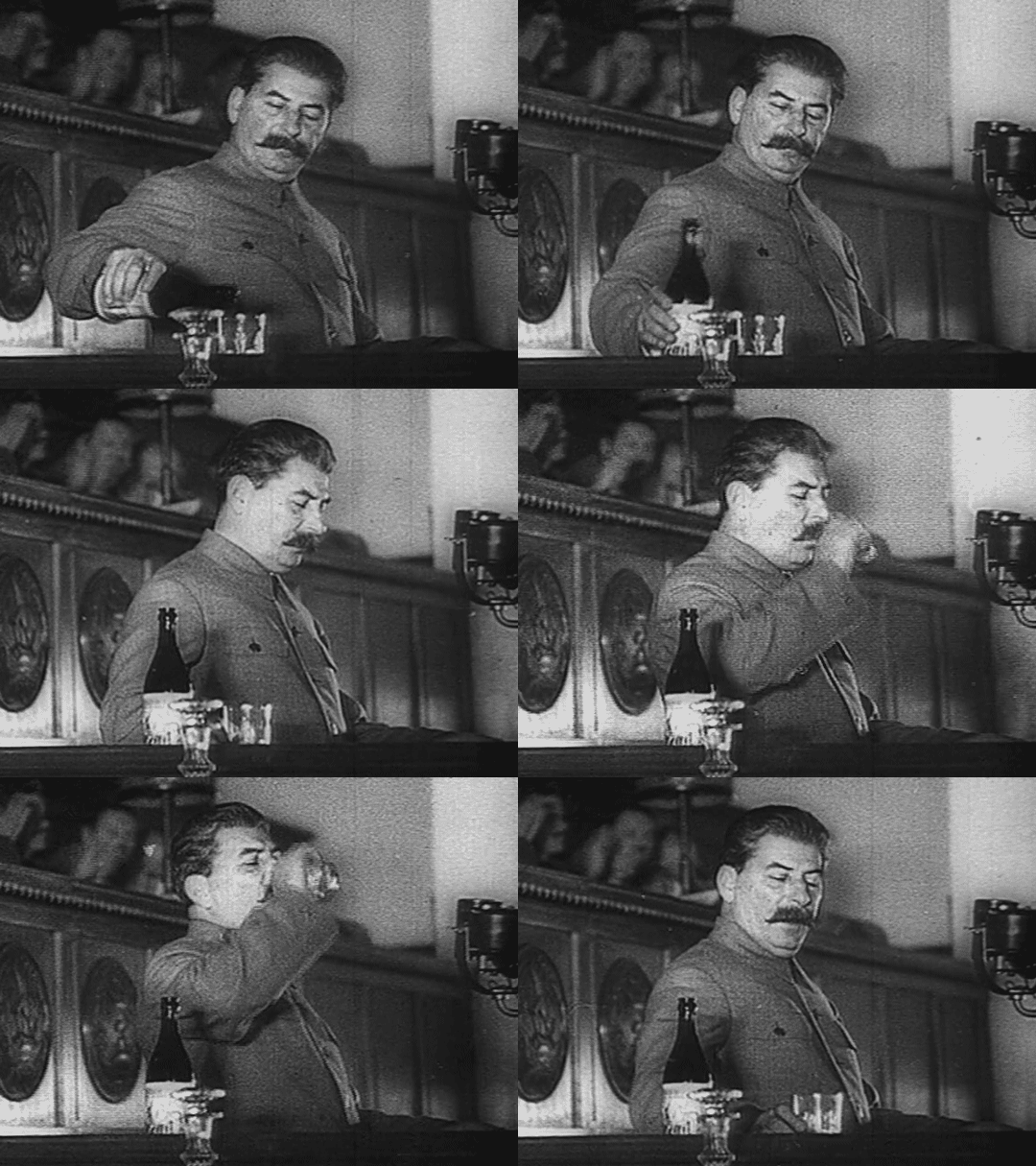
Joseph Stalin cultivated an image of austere indifference to luxury (writes Joana Moser). But Georgia’s most infamous export appears to have had a rather expensive weakness: Khvanchkara, a semi-sweet red wine.
The dictator, it turns out, filled a wine cellar with his weakness – and its contents are now going under the hammer. This week, the Georgian government opened a Tbilisi vault associated with Stalin for the first time since his death in 1953. In the dark and behind cobwebs sat some 40,000 dust-covered bottles of rare French and Georgian vintages, some dating to the early 19th century.
|
The provenance spans three regimes. Some rare bordeaux is even believed to have passed through Napoleon Bonaparte’s hands before reaching Tsars Alexander III and Nicholas II, whose collection was seized after the 1917 revolution. Stalin later took custody of the cellar and added his own Georgian favourites.
Proceeds from the auction will fund a wine-education school, in an effort to finally put Georgia on the collectors’ map. Though Pierre Lurton, head of Château Cheval Blanc, who visited the cellar, offers a word of caution: “The [state of] preservation of the wine, I don’t know – it could be a small problem.” This is all to say that, like its once steely owner, this collection is full of surprises.
|
|
The Concierge:
Singapore
See the best of Singapore with Monocle’s City Guide
Planning a trip to the city-state? You’ll need an itinerary and, fortunately, we have a brand-new
directory to the best spots to help you fill it.
There’s more to Singapore than the sparkling monuments of Marina Bay Sands and Jewel Changi Airport. This tiny nation’s big ambitions have made room for a rising number of restoration projects that have turned old schools, hospitals and remittance houses into hip lifestyle and hospitality spaces. A groundswell of homegrown, independent brands has made inroads into Asia by weaving craftsmanship with considered design and cutting-edge innovation. Notably, young hawkers and acclaimed chefs are cooking up a storm on the culinary scene, while leading bartenders are shaking off Singapore’s starchy image with their progressive style and inventive ingredients (mealworms, anyone?). Here’s one of favourite spots in which to spend an afternoon.
|
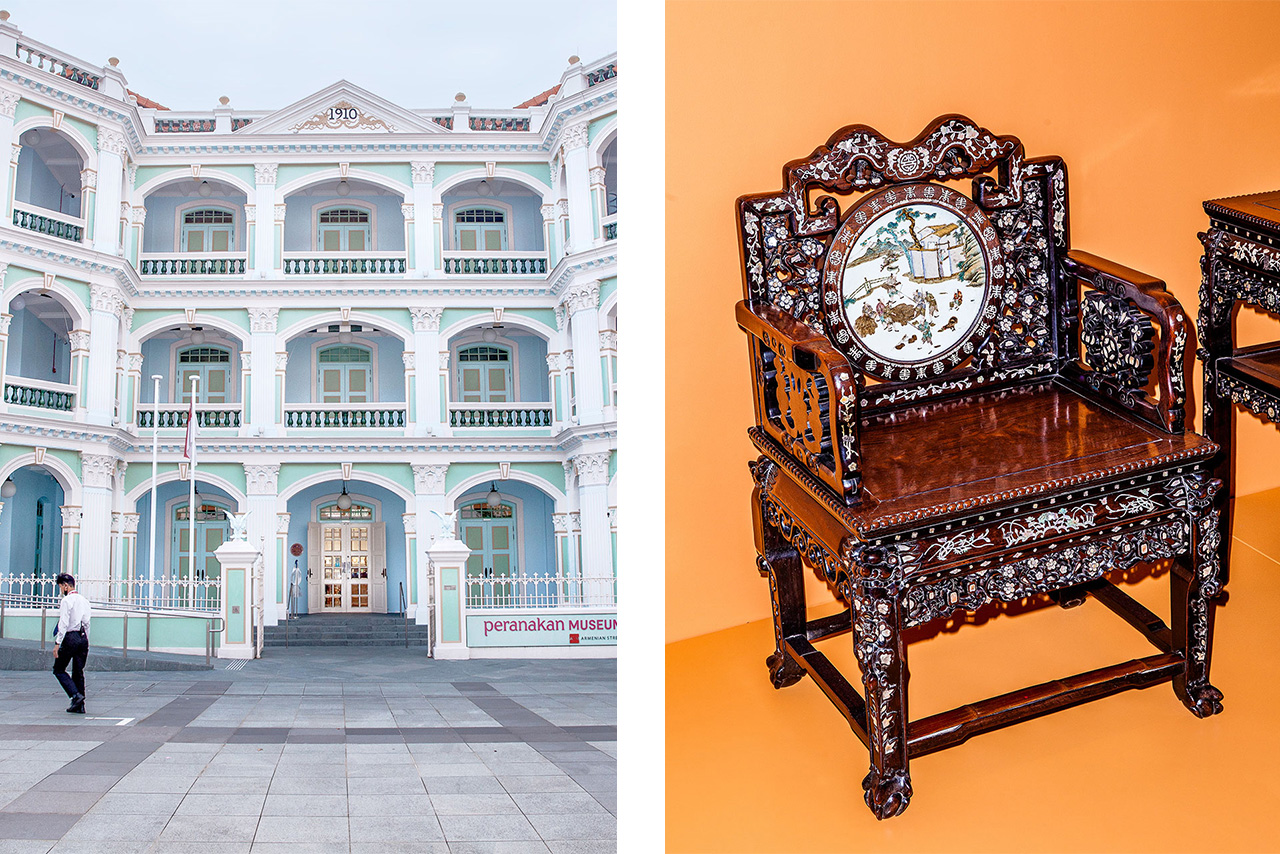
Peranakan Museum,
City Hall
The Peranakans are a cross-cultural ethnic group whose origins date back to the 15th century, when Chinese traders married women from the Malay Archipelago, developing a unique tapestry of language, customs and fashion. This museum features one of the most comprehensive collections of Peranakan objects, providing visitors a rare glimpse into this little-known Southeast Asian community.
Want to see more of what Singapore has to offer? Explore our City Guide here.
|
|
| | |