This week, we released the 72nd annual Fortune 500, the definitive ranking of America’s largest corporations. Longstanding Fortune 500 Digest readers will recall that, back in February, we gave a sneak peek of who this year’s No. 1 would be.
Beating Walmart (No. 2) by just $3.7 billion in annual revenue, Amazon (No. 1) earned the top spot on the list for the first time, ending Walmart’s 13-year streak. Amazon took the crown thanks in large part to its cloud-services cash cow, Amazon Web Services, which was responsible for nearly 18% of the company’s total annual revenue.
Just how difficult is it to become America’s biggest company? Think of it this way: Amazon is only the fourth company to earn the top ranking in the list’s 72-year history. (Before Walmart, the top dogs were General Motors (now No. 23) and Exxon Mobil (now No. 9).) That fact stands as a reminder that in business, not every big change happens overnight.
While the 500 ranks companies by revenue, on the profit side, it’s notable that earnings were concentrated in two sectors: finance and tech. Companies in these areas account for about 30% of the list, but they pulled in 56% of the profits. And five behemoths—Amazon, Apple (No. 4), Alphabet (No. 5), Microsoft (No. 11), and Nvidia (No. 16)—were responsible for 25% of those aggregate earnings.
As my colleague, executive editor Matt Heimer, opines in our magazine pages, “That concentration points to the primacy of ‘asset light’ companies—those that own relatively little real estate or equipment—in the U.S. economy.”
But is that about to change, too? “Many tech giants are now plowing cash into extremely expensive assets, in the form of AI data centers,” he adds. “Next year’s list will likely reveal whether those investments are shaking up the profit rankings.”
Back to the raison d’être, though, the revenue-driven ranking. One prevailing theme is that physical commerce still dominates, as “Amazon and Walmart get the substantial majority of their revenue from the old-fashioned work of selling goods to customers,” Matt points out. “As their delivery drivers can tell you, those assets are anything but light.”
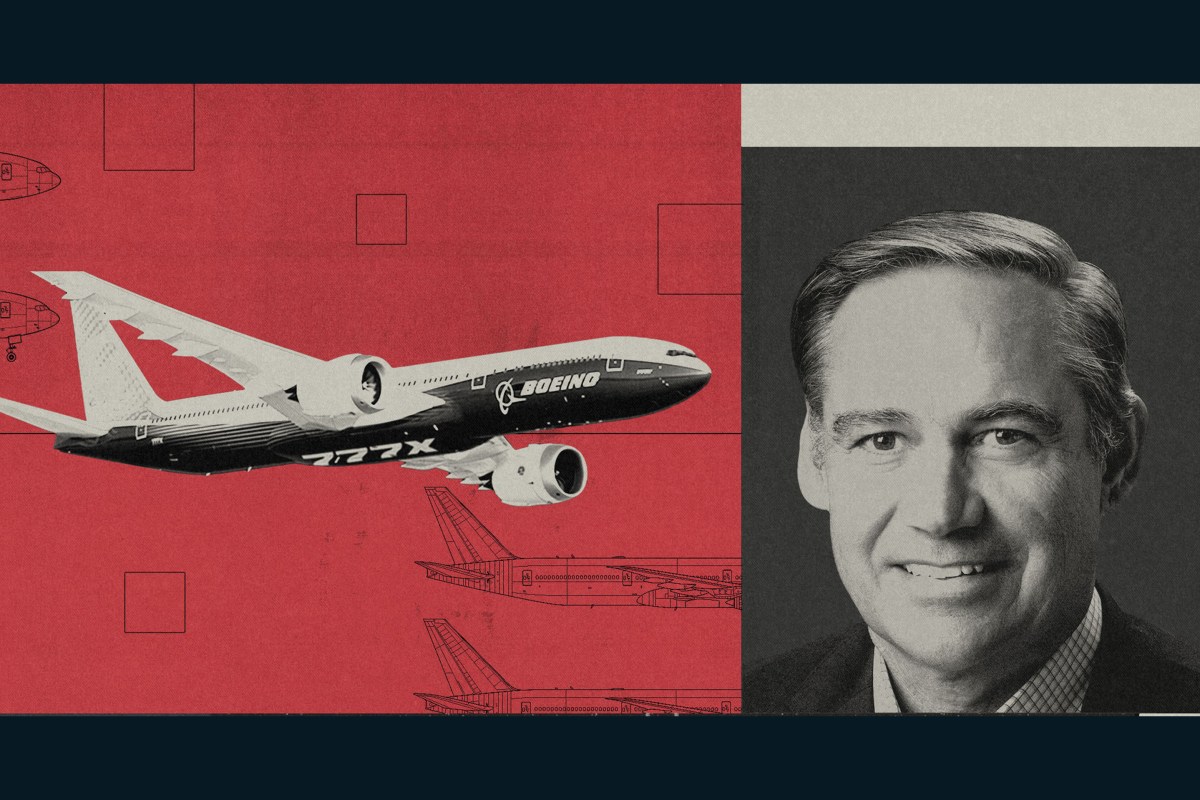
Explore the list here. And speaking of change within the Fortune 500, to dive even deeper, check out case studies of turnarounds at stalwarts Boeing (No. 47), Intel (No. 88), and Macy’s (No. 203), also linked below.
Follow Alyson on X, LinkedIn, TikTok, Instagram, and the Titans and Disruptors vodcast.