A gentle rundown on food, entertaining, hotels and the way we live – from the desks of Monocle’s editors and bureaux chiefs.
|
Sunday 7/6/26
|

|
|
London
Paris
Zürich
Milan
Bangkok
Tokyo
Toronto
|
|
|
|

all in place
This week’s dispatch takes our team of editors and correspondents to a gallery-cum-osteria in London informed by the flavours of the Emilia-Romagna region, followed by dinner in Bangkok with a British furniture designer. Plus: a recipe for pulled-pork burgers, a beachside bolthole on the wild Basque coast and the South African vermouth revived by a Danish mixologist. Getting us off to a strolling start in Lisbon is our editorial director, Tyler Brûlé.
|
|
The Mercadona doctrine and how to make yourself at home part-time
By Tyler Brûlé
|

|
What to do with a completely free Saturday, aside from writing this column? Sleep in and get up when you feel fully rested? You bet. Answer the door buzzer in pyjamas when a friend drops by with some fresh bread from Pão do Pastor (a respected bakery here in Lisbon)? Absolutely. Chart a course for a morning walk that includes visiting a newish branch of Spanish supermarket Mercadona at the far end of Campo Grande? A must.
It’s now a little more than a year since we were properly installed here in Lisbon and the apartment is as finished as a part-time residence ever is – there’s some good photography and art on the walls but some things need moving around and key pieces are still missing in the den and mom’s room. I would like to transfer part of my magazine archive here but the fact that it’s sitting somewhere out near Wembley makes it a logistical project that I’m not quite ready to face. It means I’m missing some of the titles that I enjoy having to hand elsewhere, and I’m trying to decide if there might be some good Portuguese or Brazilian journals that could stand in for old copies of Arena, The Face, Blitz, Sky and Tempo. All ideas welcome.
The star of the transformed apartment is the kitchen. For a very, very brief moment we were going to keep the original 1960s cupboards but, in the end, went for marine plywood open shelves and doors. With original stone floors and counters to match, it’s long and lean and the nook at the far end is perfect for a cosy dinner for six. It’s also set for a bit of a workout and this is where the hike up to Mercadona comes in.
If you’re not familiar with the Iberian grocery store scene (you really should be), Mercadona is a unique proposition. While it would be easy to suggest that it’s a Spanish-speaking version of Aldi or Lidl – given its no-frills offer – it’s actually so much more. For starters, you never see the brand unless you walk or drive past a storefront as Mercadona is famous for not advertising or engaging in traditional supermarket comms tricks. Inside, the stores are austere and dull from a design perspective but there’s always a parking lot to secure Rolser shopping trolleys and clean, well-maintained toilets have become something of a trademark that makes the brand popular with convenience-minded people.
The Mercadona that has opened near my place is in the middle of a mid-income neighbourhood that’s currently being upgraded. By 11.00 it was busy but not rammed with Lisboetas who are happy that the chain has now ventured down from the country’s north. With just shy of 1,700 stores across Spain and, more recently, Portugal, Mercadona is another one of those Spanish retail success stories that has created one of Europe’s richest families you’ve never heard of. While the Ortegas of Inditex (Zara, Massimo Dutti) fame are discreet but globally known, Valencia’s Roig clan are generally hidden from view. Privately held, the company recently posted sales of more than €40bn and distributed approximately a billion of that to employees across the group. Perhaps this is the reason why the woman at the cash desk was so smiley and helpful. It also made me curious as to where the self-checkout units were. For a brand-new store, there wasn’t a self-scanner in sight – at least not at this branch.
As I walked out with my takeaway bifana in hand, I wondered if Mercadona is a concept that’s likely to stick to the Iberian Peninsula or will it go Europe-wide? Would French customers care for the gentleman on hand with slices of ham? Would Italians want the fresh fish counter? Would British customers take a fancy to a personal care department almost free from major brands? Given their results, I’m sure the Roigs and employees are content being regional retail stars.
Enjoying life in ‘The Faster Lane’? Click here to browse all of Tyler’s past columns.
|
|
EATING OUT: Pollini, london
Wheels in motion
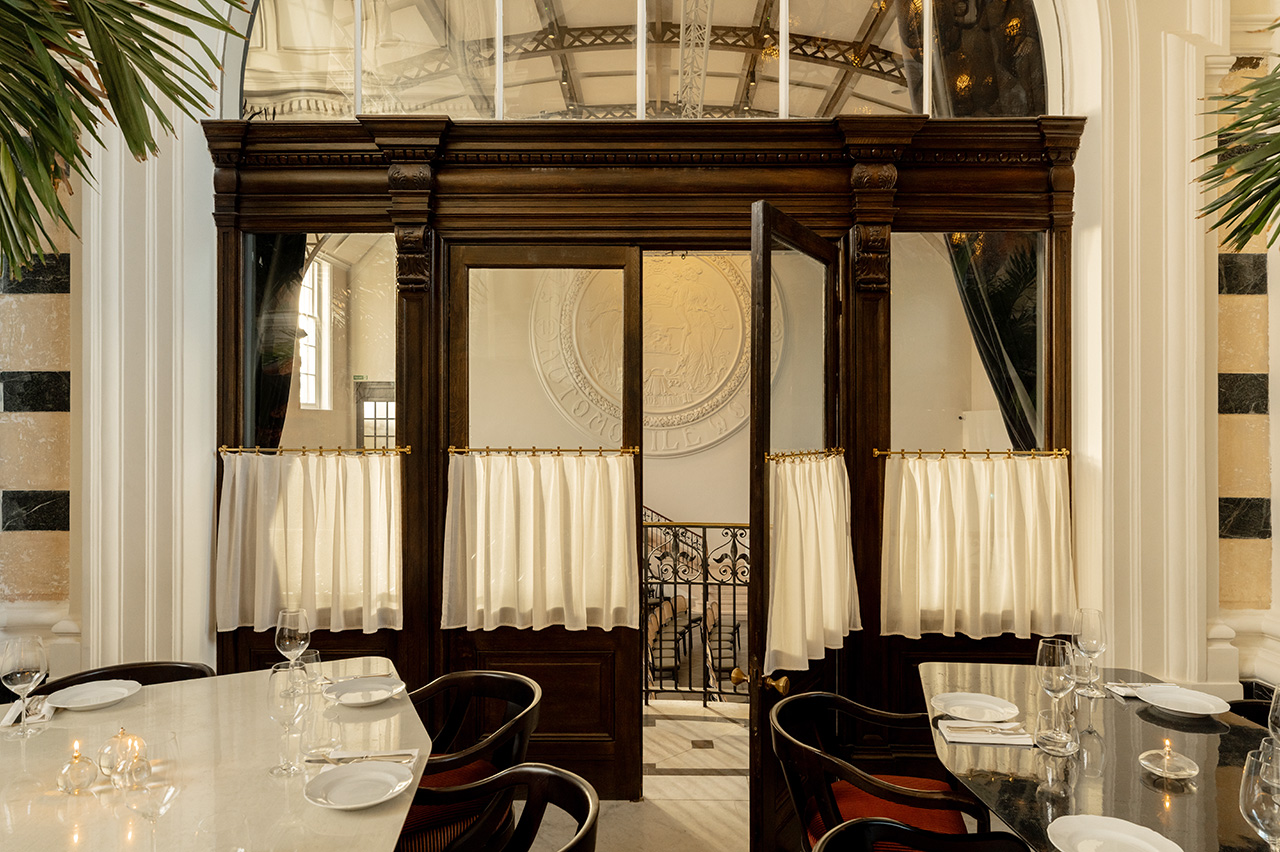
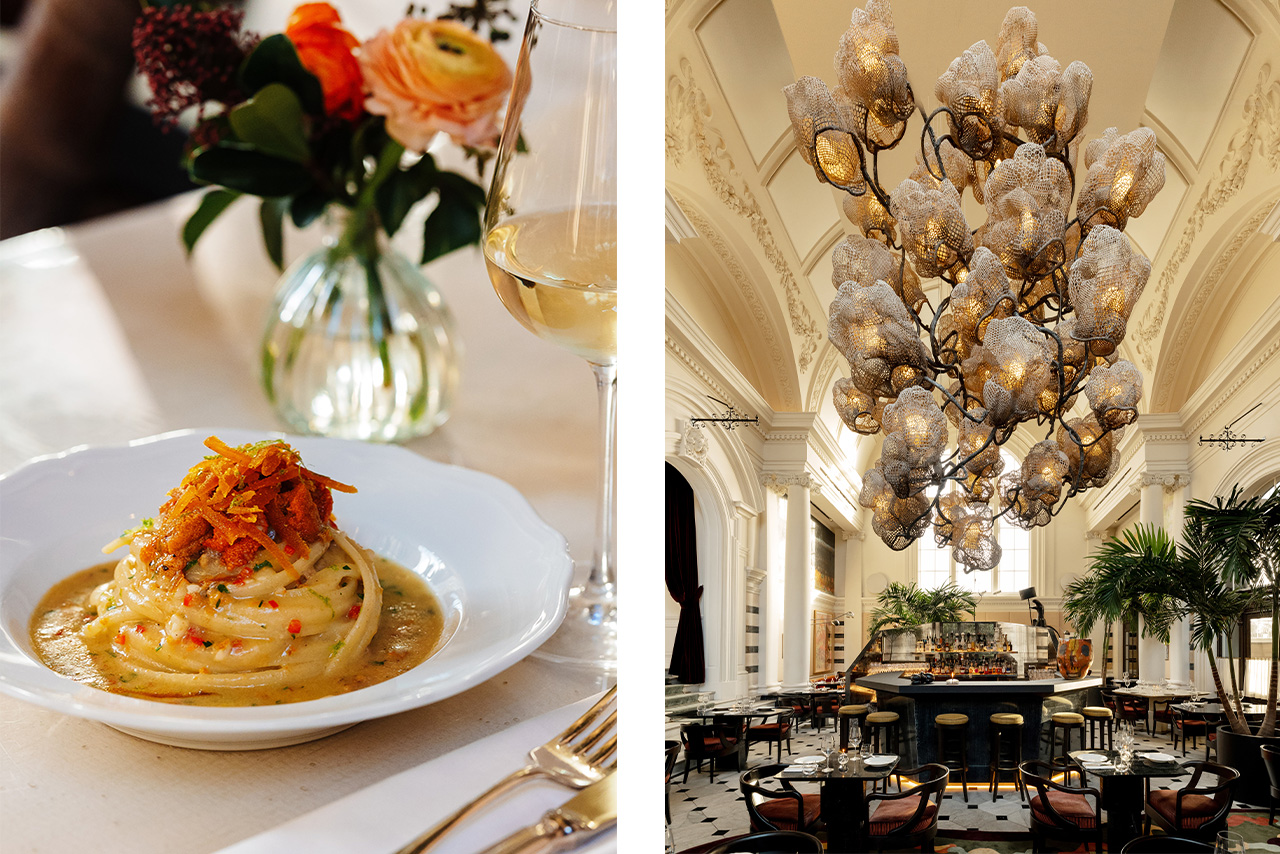
Ladbroke Hall is an impressive building that looks over an unassuming residential area in west London (writes Sophie Monaghan-Coombs). Built in 1903 as a car showroom, its spacious rooms have since been transformed into a cultural venue by Loïc Le Gaillard and Julien Lombrail, the founders of collectable-design salon Carpenters Workshop Gallery.
|
|
Today, Ladbroke Hall encompasses exhibition spaces and a music venue, while the most magnificent space houses Pollini, a restaurant run by Italian chef Emanuele Pollini. On the menu are sharing plates inspired by the flavours of the Emilia-Romagna region – think burrata, vitello tonnato, lamb ragu and a classic tiramisu to finish. The boiler suit-style uniforms worn by attentive staff nod to the setting’s past life and stop the experience feeling too stuffy. And if you find you become bored of your company’s conversation, simply marvel at the beaux arts architecture instead.
To read more about how culture and cuisine can collide nicely, pick up a copy of Monocle’s June issue. On newsstands now.
|
|
SUNDAY ROAST: Alexander Lamont
Living by design
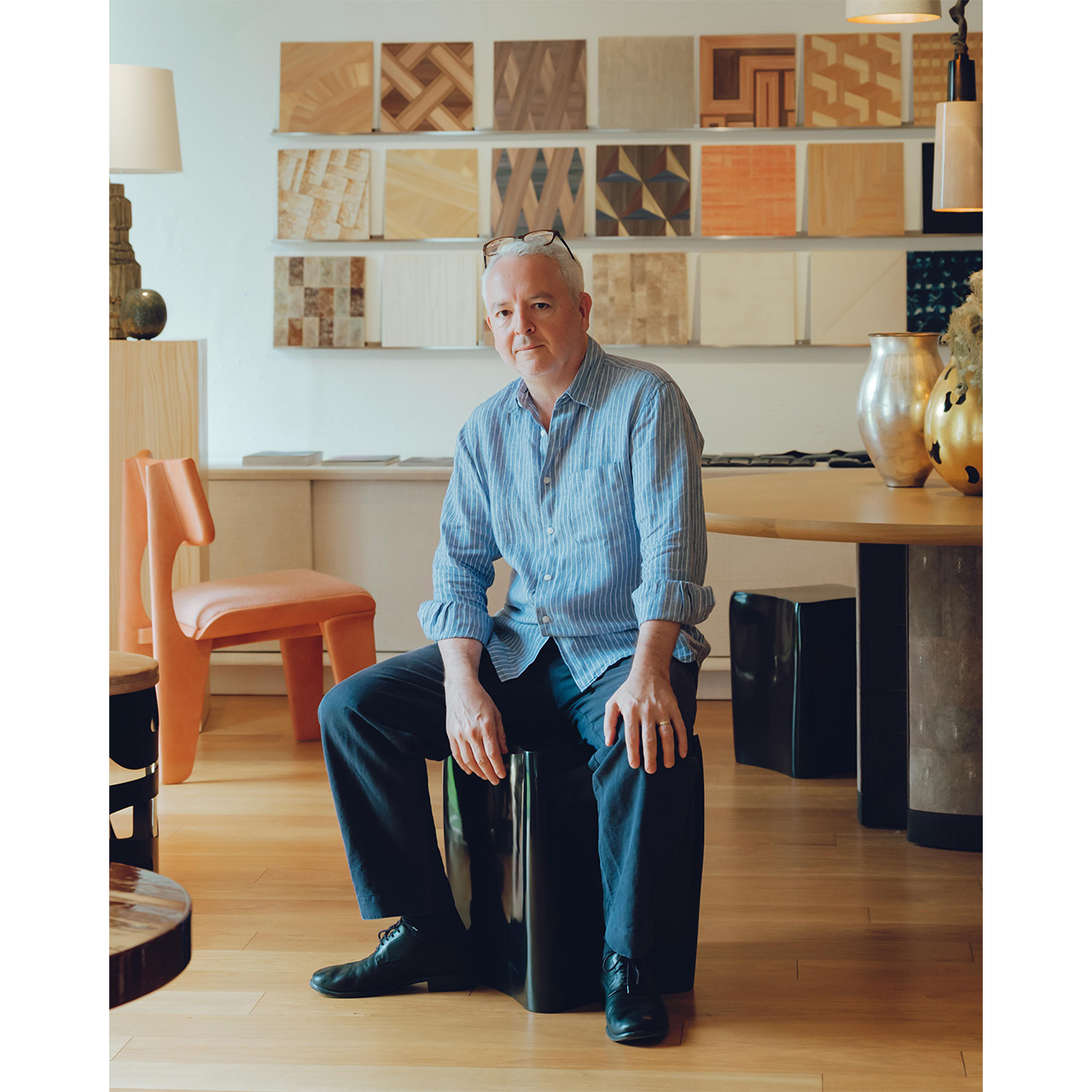
Alexander Lamont is a Bangkok-based British furniture designer (writes Rory Jones). His namesake studio has carved out a modernist niche across Asia and Europe, where handmade collections are released every year at design festival Paris Déco Off. Here, Lamont shares why he misses British cinemas, his colourful fruit platters and his love of Paul Simon’s dulcet tones.
|
Where do we find you this weekend?
In Bangkok, where I have mostly lived since starting my company in 2000. I first came here in 1981 [with my family at 12 years old] and have loved Thailand ever since. Like all love affairs, it gets complicated sometimes – but as a city where you can be both energised and soothed, it is very special.
What’s for breakfast?
I like to start the day with a strong cup of Yorkshire tea and reading in bed. At the moment it’s Tai-pan, the novel by James Clavell. As for breakfast, bread in Bangkok is fantastic these days and I like to think that I am on the way to perfecting poached eggs with smoked salmon on toast. There’s always a big colourful plate of fruit too – pomelo, papaya, mango, dragon fruit. No other country has fruit like Thailand.
A Sunday soundtrack?
Paul Simon [has been a favourite] since I discovered his music at the age of 7. His voice has calmed me for 50 years now. I recently bought a record player to listen to Liberation Music Orchestra by composer and bassist Charlie Haden. It’s an incredible and immersive musical experience, especially on wax.
Sunday culture must?
Cinema. I wish that I could celebrate the cinema culture of Bangkok but I can’t. Rarely do good films come here. If they do, they’re gone in a flash. When I return to London, I always visit Bertha Dochouse near Russell Square – the only documentary cinema in the UK.
What’s on the menu?
My favourite restaurant in Bangkok is Prik-Yuak. It’s close to my workshop of 20 years and the owner is a lovely lady who treats me like a VIP. The restaurant is in an old junior school and you eat in the different classrooms. The menu offers authentic, interesting and beautifully presented dishes.
Which brands does your wardrobe currently consist of?
Living in a hot climate means that I don’t dress up too much. These days it’s all linen, canvas and cotton. Things that are comfortable and attractive but not showy. One brand that I return to is Billy Reid on Charles Street in New York. The shoes are simple and strong, so they age with style. I also love shoes from Doucal’s, which are available in Bangkok but not in London. I have never bought an item of clothing online.
For our round-up of Thailand’s best bits, buy a copy of ‘Thailand: The Monocle Handbook’ today.
|
|
RECIPE: ralph schelling
Pulled-pork burger
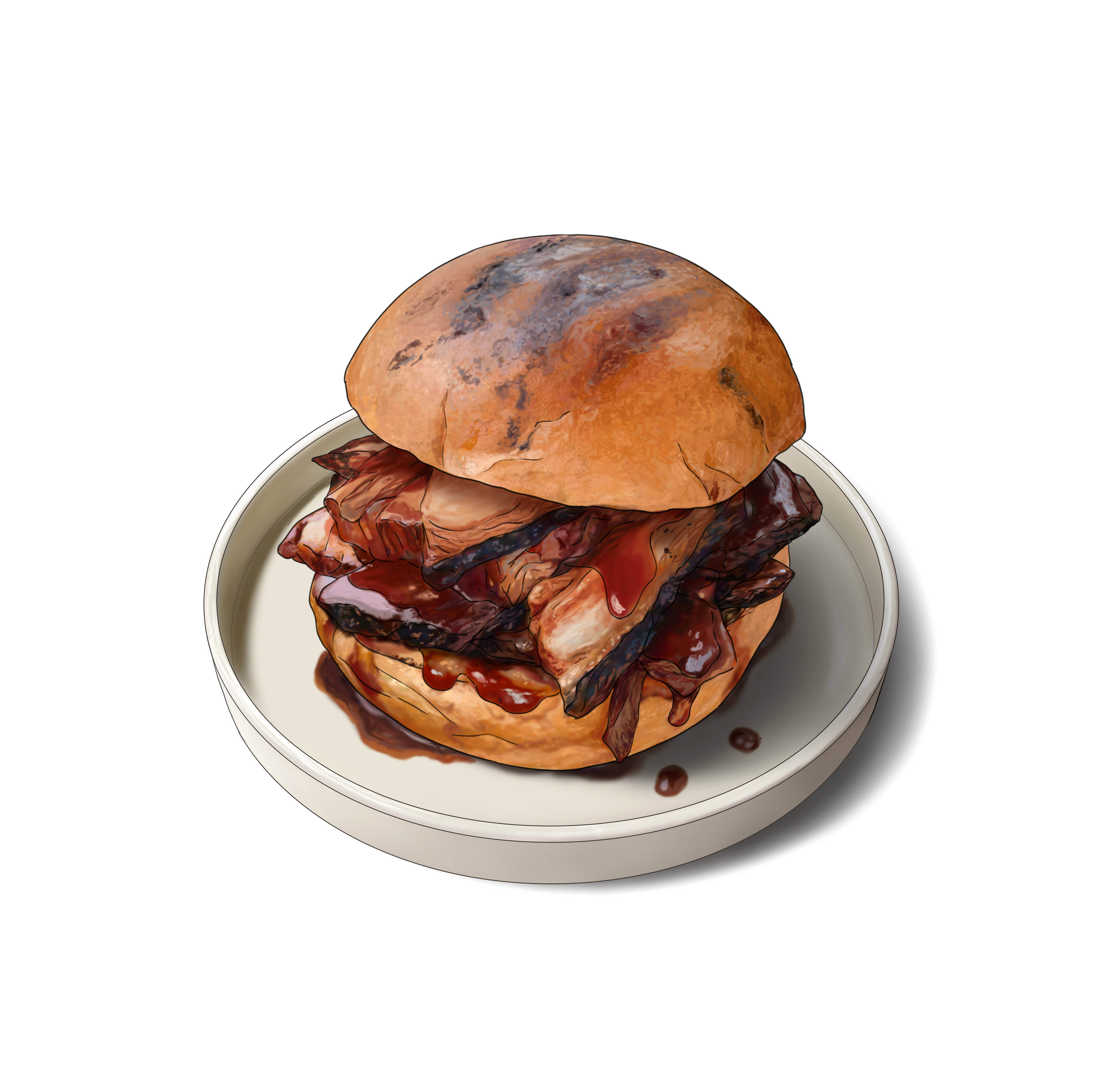
This week, Monocle’s Swiss chef recreates the smoky flavours of the barbecue with a spiced and shredded pork shoulder burger. Add maple syrup and apple-cider vinegar for a well-balanced, sweet-savoury combination to impress your guests.
|
Serves 4
Ingredients
1 pork shoulder (approx 400g)
20g brown sugar
20g salt
1 red onion
1 garlic clove
2 tbsps rapeseed oil
100ml water
100ml apple cider vinegar
½ thumb-sized piece of ginger
1 red chilli pepper
1 tbsp Pimentón de la Vera (smoked paprika powder)
1 tsp paprika powder
1 tsp ground cumin
2 tbsps tomato purée
1 tsp Dijon mustard
¼ tsp nutmeg
100g canned tomatoes
2 tbsps Worcester sauce
50ml maple syrup
1 tsp salt
Black pepper
4 burger buns
Method
1.
Score the fatty layer of the pork shoulder in a crosshatch pattern, place the meat in a bowl and rub with brown sugar and salt. Cover and marinate in the fridge for at least 3 hours.
2.
Preheat the oven to 130C.
3.
Remove the salt-sugar mixture from the meat using a cloth, then place the meat in an ovenproof dish and cook for 4 to 5 hours.
4.
Once cooked, turn off the oven and let the meat rest to keep it warm until it is ready to serve.
5.
Peel and roughly chop the red onion and garlic. Sauté in oil for approximately five minutes. Add all remaining ingredients then cover the pan. Simmer the mixture for about 40 minutes. Blend and, if necessary, reduce further and adjust seasoning.
6.
Briefly toast the burger buns over coals or in a hot oven. Lightly scrape off the slightly charred layer of fat from the pork shoulder. Slice the meat thinly or pull into shreds using a knife or fork. Assemble buns as desired with meat and finish with some salt and barbecue sauce.
ralphschelling.com
|
|
WEEKEND PLANS? Hôtel de Silhouette, Biarritz
Home comforts
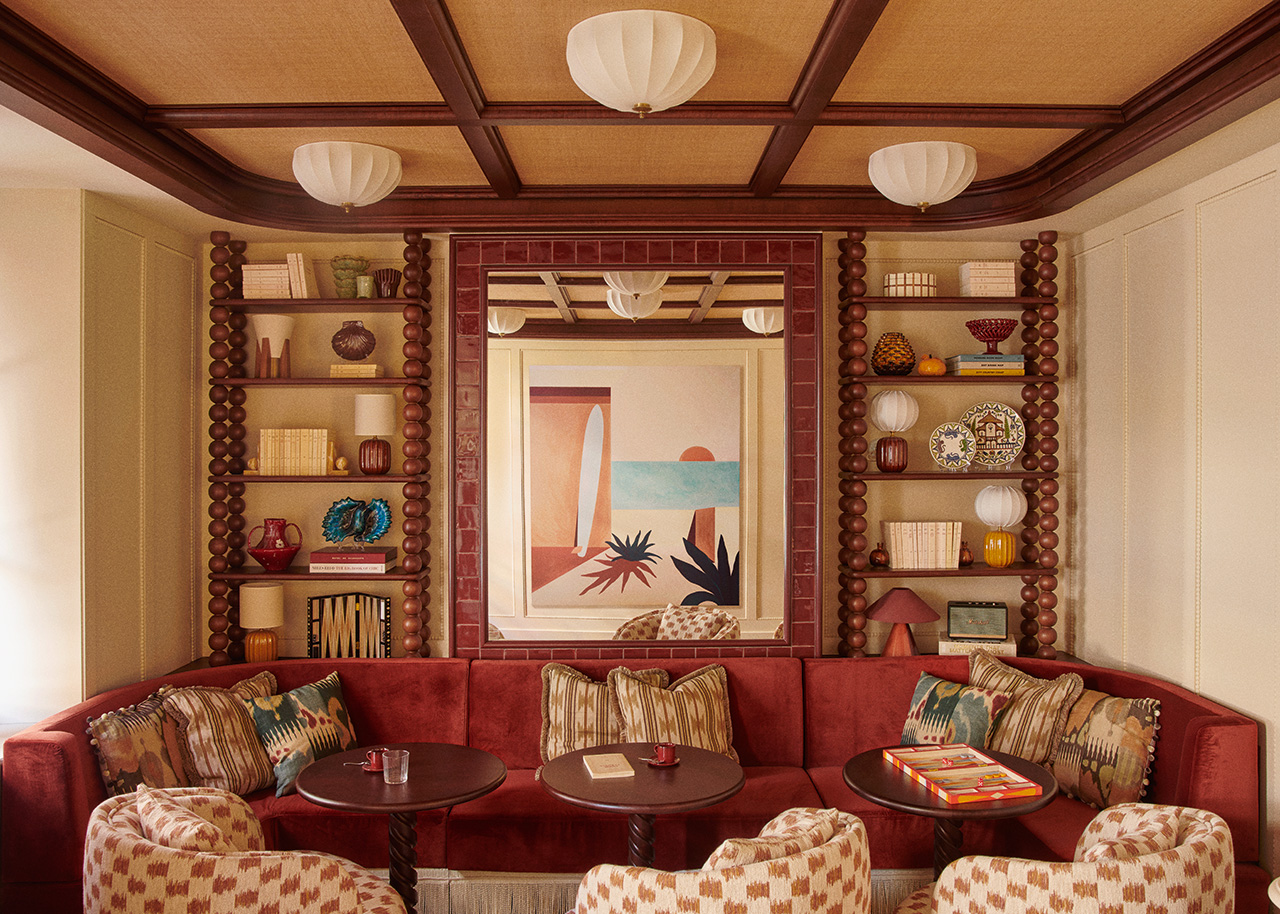
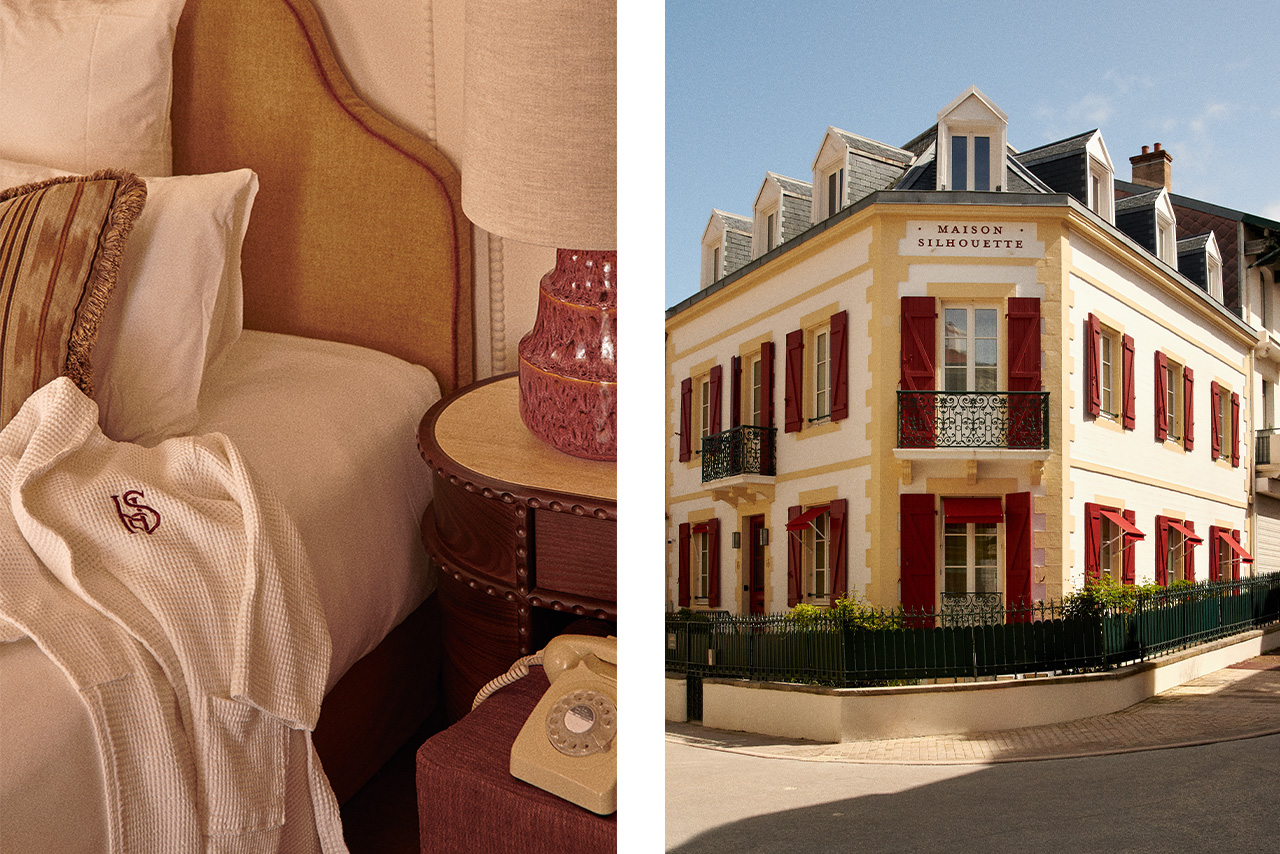
Hôtel de Silhouette in the Quartier des Halles is just a gentle 10-minute stroll away from the beaches of Biarritz (writes Sonia Zhuravlyova). The institution takes its name from Étienne de Silhouette, the French finance minister under King Louis XV who once called this 1600s townhouse his home. It has recently opened an extension, La Maison Silhouette, in a traditional town house nearby, boasting six suites and framed views of the city’s historic streets.
|
|
Rooms have a residential feel with sitting areas, walk-in wardrobes and terraces, while several suites come with their own kitchenette should you wish for a longer stay. The interiors, which consist of ceramics, ikat patterns and a warm palette of Basque red and brown, imbue the maison with a lived-in charm courtesy of Parisian interior designer Juliette Saier.
On warmer days, the hotel’s shady garden is a welcome retreat, while restaurant Jardin serves finely tuned dishes such as the Croque Silhouette – a twist on the French staple made with ham, sheep’s cheese and truffle cream – as well as top-notch Basque wine from the Irouléguy region. Finish with an ice cream from Bayonne-based chocolatier Monsieur Txokola.
hotel-silhouette-biarritz.com
Monocle’s annual travel special ‘The Escapist’ has plenty more beachside boltholes. And if you’re in need of a charming château-turned-inn just outside Paris, try Verneuil-la-douce.
|
|
Bottoms up: Caperitif
In full bloom
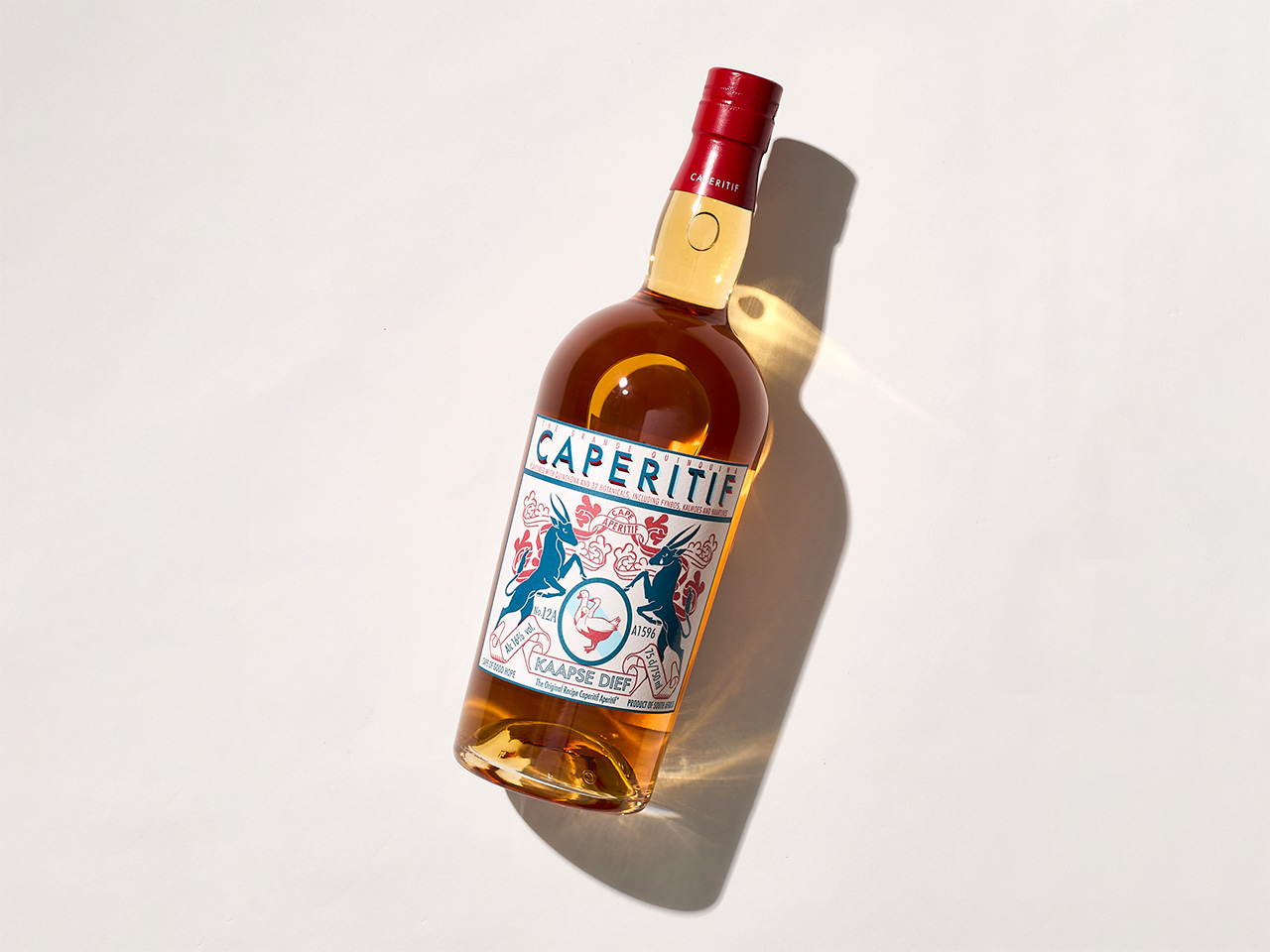
Caperitif – a portemanteau of Cape and aperitif – is what you get when a South African winemaker and a Danish barman revive a centuries-old vermouth (writes Liv Kessler). Caperitif had been out of production for several decades when Lars Erik Lyndgaard Schmidt read about it in London’s legendary The Savoy Cocktail Book.
| | | | |