The lopsided state of VC
 ͏  ͏  ͏  ͏  ͏  ͏  ͏  ͏  ͏  ͏  ͏  ͏  ͏  ͏  ͏  ͏  ͏  ͏  ͏  ͏  ͏  ͏  ͏  ͏  ͏  ͏  ͏  ͏  ͏  ͏  ͏  ͏  ͏  ͏  ͏  ͏  ͏  ͏  ͏  ͏  ͏  ͏  ͏  ͏  ͏  ͏  ͏  ͏  ͏  ͏  ͏  ͏  ͏  ͏  ͏  ͏  ͏  ͏  ͏  ͏  ͏  ͏  ͏  ͏  ͏  ͏  ͏  ͏  ͏  ͏  ͏  ͏  ͏  ͏  ͏  ͏  ͏  ͏  ͏  ͏  ͏  ͏  ͏  ͏  ͏  ͏  ͏  ͏  ͏  ͏  ͏  ͏  ͏  ͏  ͏  ͏  ͏  ͏  ͏  ͏  ͏  ͏  ͏  ͏  ͏  ͏  ͏  ͏  ͏  ͏  ͏  ͏  ͏  ͏  ͏  ͏  ͏  ͏  ͏  ͏  ͏  ͏  ͏  ͏  ͏  ͏  ͏  ͏  ͏  ͏  ͏  ͏  ͏  ͏  ͏  ͏  ͏  ͏ ­ ­ ­ ­ ­ ­ ­ ­ ­ ­ ­ ­ ­ ­ ­ ­ ­ ­ ­ ­ ­ ­ ­ ­ ­ ­ ­ ­ ­ ­ ­ ­ ­ ­ ­ ­ ­ ­ ­ ­ ­ ­ ­ ­ ­ ­ ­ ­ ­ ­ ­ ­ ­ ­ ­ ­ ­ ­ ­ ­ ­ ­ ­ ­ ­ ­ ­ ­ ­ ­ ­ ­ ­ ­ ­ ­ ­ ­ ­ ­ ­ ­ ­ ­ ­ ­ ­ ­ ­ ­ ­ ­ ­ ­ ­ ­ ­ ­ ­ ­ ­ ­ ­ ­ ­ ­ ­ ­ ­ ­ ­ ­ ­ ­ ­ ­ ­ ­ ­ ­ ­ ­ ­ ­ ­ ­ ­ ­ ­ ­ ­ ­ ­ ­ ­ ­ ­ ­  
Wednesday, June 24, 2026
As mega-funds grab 72% of all capital raised, the gap between VC’s haves and have-nots keeps widening

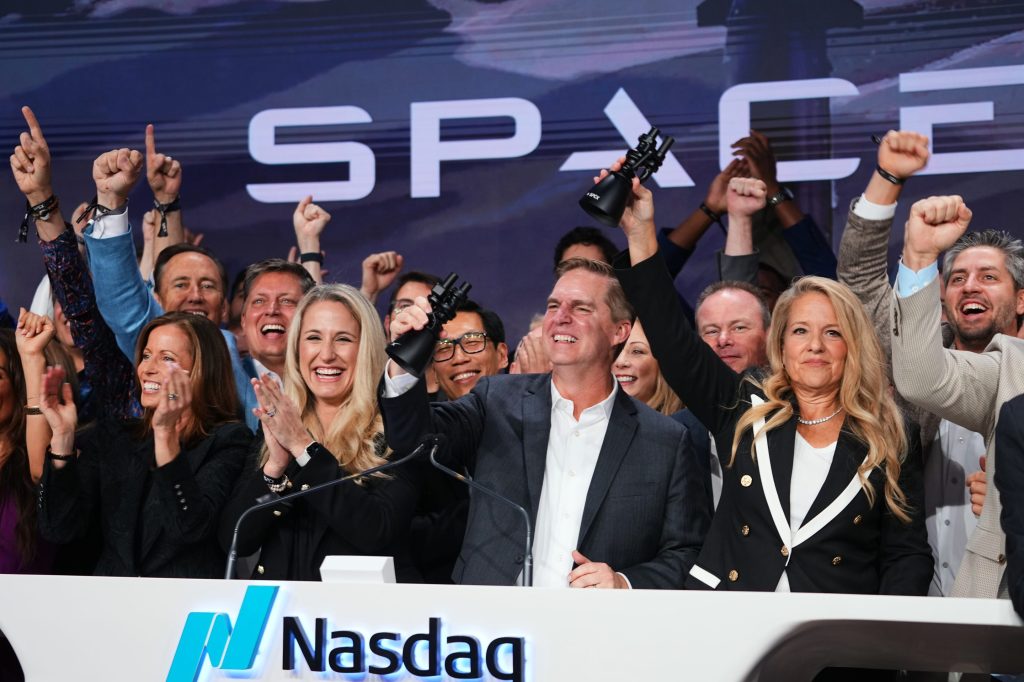
Gwynne Shotwell, President and COO of SpaceX, right, celebrates with colleagues during a bell ringing ceremony for the IPO of SpaceX at the Nasdaq MarketSite in New York, Friday, June 12, 2026, in New York.
AP Photo/Frank Franklin II
Venture capital’s gotten lopsided. 

While you probably knew some version of this—I know I certainly talk about it enough—the data is nevertheless striking. PitchBook this week released its U.S. VC midyear outlook, and the fundraising numbers are skewed to say the least: Funds over $1 billion raked in almost 72% of all capital raised in 2026 so far. First-time managers, meanwhile, comprised under 10%. Over time, this asymmetry will stick or worsen, said Kyle Stanford, PitchBook’s director of U.S. venture capital research.

“When fundraising gets lopsided, so does pricing power,” Stanford told Fortune via email. “We can see the mega fund, multi-strategy firms are able to win deals by pricing out the rest of the market, and if they can continue to drive returns with their strategy, then they will be able to command the LP market. VC has changed a lot, and much of that change has been in favor of large funds.”

That lopsidedness follows through to exits, where the biggest are massive: This is already the year of the mega-IPO. With SpaceX’s historic debut, a stunning $1.8 trillion in IPO exit value emerged—but that doesn’t mean the IPO window is open for everyone.

“There have been a lot of discussions recently about IPOs and what can make them desirable again, and I think the market has just changed,” Stanford said via email. “Being a public company is less glamorous than being a private unicorn… I don’t see a change where IPOs again become the goal of companies.”

In terms of where VC dollars are going, the answer is (you guessed it) AI. But there’s an interesting central contradiction: The narrative in VC and startups right now is that all the venture money is going to the top AI companies, and the data bears this out—by the end of May, $274.2 billion in late-stage venture capital had been deployed, and 86.4% of that massive number links to a combined four rounds from only OpenAI, Anthropic, and xAI (since merged with SpaceX). 

So, the largest checks continue being relentlessly funneled into the biggest private companies. However, early-stage deals are also proving historically active. PitchBook estimates that by the end of 2026, we’ll see more than 7,000 first financings, which would be far and away a new record.

So, VC’s looking like a tilted seesaw with a kid on one end, and a cardboard cutout on the other. But what happens next is deeply dependent on who AI’s winners (and losers) are. 

“The biggest unanswered question in VC, I think, is how much return AI can drive over the long run?” said Stanford via email. “You keep hearing stories about the costs some corporations are racking up, and it starts to drive some questions about the long-term feasibility of many of the companies… 75% of tech dollars at pre-seed and seed are going to AI, and almost 90% of late-stage dollars. That’s a lot of money, and the story of AI is still new.”

Fortune Term Sheet podcast hosted by Allie Garfinkle graphic with photo of Allie, links to YouTube videoTerm Sheet Podcast… This week’s guest: Lux Capital’s Josh Wolfe! Over 3,000 venture capital firms are operating in the U.S. today, and Wolfe is candid: he thinks 90% of them won’t survive the decade. We sat down to talk about who survives the shakeout, where the defense tech bubble breaks, and the predictions he’s making for 2027. Watch the episode here.

See you tomorrow,

Allie Garfinkle
X:
@agarfinks
Email: alexandra.garfinkle@fortune.com

Submit a deal for the Term Sheet newsletter here.

Joey Abrams curated the deals section of today’s newsletter. Subscribe here.
VENTURE CAPITAL
- Engram, a San Francisco-based company building a persistent memory layer to help enterprises make AI systems more specialized and cost-efficient over time, raised $98 million in funding from General Catalyst, Kleiner Perkins, Sequoia Capital, Factory, Modern, and others. 

- Isometric, a London, U.K., and New York City-based agentic certification platform that uses AI agents to verify climate and industrial data, raised $40 million in Series A funding. AVP led the round and was joined by Lowercarbon Capital, Plural, and others. 

- Astral Systems, a Bristol, U.K.-based company developing compact nuclear fusion technology, raised £23 million ($30 million) in Series A funding. Mercia Ventures led the round and was joined by Tees River, Daphni, Blast Club, and existing investors.

- JustAI, a San Francisco-based AI-native marketing platform, raised $17 million in Series A funding. Base10 Partners led the round and was joined by Y Combinator and Peak XV Partners.

- Tetrix, a New York City-based AI platform for private market investors, raised $15 million in Series A funding. White Star Capital and Innovation Endeavors led the round and were joined by angel investors.

- Flease, a Caluire-et-Cuire, France-based refurbished vehicles company for corporate fleets, raised €13 million ($14.8 million) in funding. Partech Impact led the round.

- TRIMTECH Therapeutics, a Cambridge, U.K.-based developer of treatments for CNS and inflammatory disorders, raised $14 million in seed funding from BGF and JJDC

- Concord, a New York City and Paris, France-based agentic media buying platform that uses AI agents to plan and execute ad spend, raised $3 million in seed funding from a16z Scout, Drysdale, Motier Ventures, Better Angle, and angel investors.

- Anchorbase, a Calgary, Alberta-based payments and automation platform for mid-market businesses, raised $2 million in pre-seed funding from Cambrian VC and TTV Capital.

- AIVA, a New York City-based developer of an intelligence layer designed for hotels, raised $1.5 million in funding from Comma Capital and 645 Ventures.
PRIVATE EQUITY
- DUOS, backed by FTV Capital, acquired Linkwell Health, a New York City-based provider of content-driven engagement and performance infrastructure for health plans. Financial terms were not disclosed.

- Great Hill Partners acquired a minority stake in Woof Gang Bakery & Grooming, an Orlando, Fla.-based pet grooming, treats, and dog food company. Financial terms were not disclosed. Garnett Station Partners remains the majority investor in the company.

- Infinite Global, backed by ParkSouth Ventures, acquired Greentarget UK, a London, U.K.-based communications consultancy focused on financial and professional services clients. Financial terms were not disclosed.

- Platinum Equity agreed to acquire Tangent Technologies, an Aurora, Ill.-based manufacturer of plastic and recycled-content lumber used in outdoor building materials. Financial terms were not disclosed.

- Reverence Capital acquired a majority stake in Eide Bailly, a Fargo, N.D.-based accounting and business advisory firm. Financial terms were not disclosed.

- Ridgepoint Capital acquired Stellus Capital Management, a Houston, Texas-based direct lender. Financial terms were not disclosed.
IPOS
- Bending Spoons, a Milan, Italy-based company that acquires software products and digital brands and seeks to improve and operate them long term, plans to raise up to $1.6 billion in an offering of 58 million shares priced between $26 and $28 on the Nasdaq. The company posted $1.6 billion in sales for the year ended March 31. Galileo Quattordici, Baillie Gifford, and Luca Querella back the company.

-