| | Iran attacks a cargo ship in the Strait of Hormuz, Apple raises prices across its flagship products,͏ ͏ ͏ ͏ ͏ ͏ |
| |  | Flagship |  |
| |
|
The World Today | 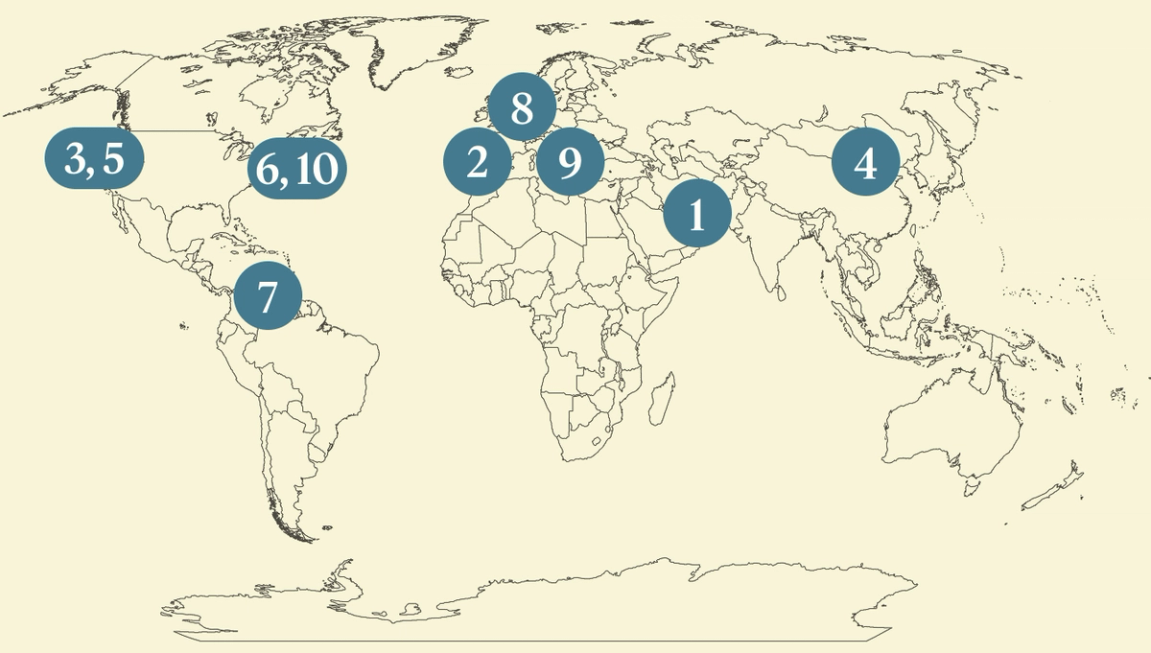 - Iran strikes Hormuz ship
- The toll of inflation
- Apple hikes prices
- The cost of AI rivalry
- AI-proofing the workforce
- Dimon succession twists
- US aid test in Venezuela
- Hottest day in France
- European airport chaos
- Ancient Martian life signs
 A ‘casually horrifying, unexpectedly compassionate’ view of Britain’s decline. |
|
Iran attacks cargo ship in Hormuz |
 Stringer/Reuters Stringer/ReutersIran struck a cargo ship in the Strait of Hormuz on Thursday, after warning vessels against unapproved routes, forcing the UN to pause evacuations in the waterway. Shipping in the strait on Wednesday reached its highest level since the war began, and oil, which had dropped to pre-war prices, ticked up on the attack. Tehran estimates a post-war Hormuz toll could generate $40 billion in annual revenue, The Wall Street Journal reported, and is pitching Gulf nations on sharing the proceeds, even as Washington reassures its allies that tolls would be unacceptable. The world is moving toward a “new maritime order,” insurance giant Allianz said, defined by escalating security risks on established routes and higher risk premiums. |
|
Iran war drives up US inflation |
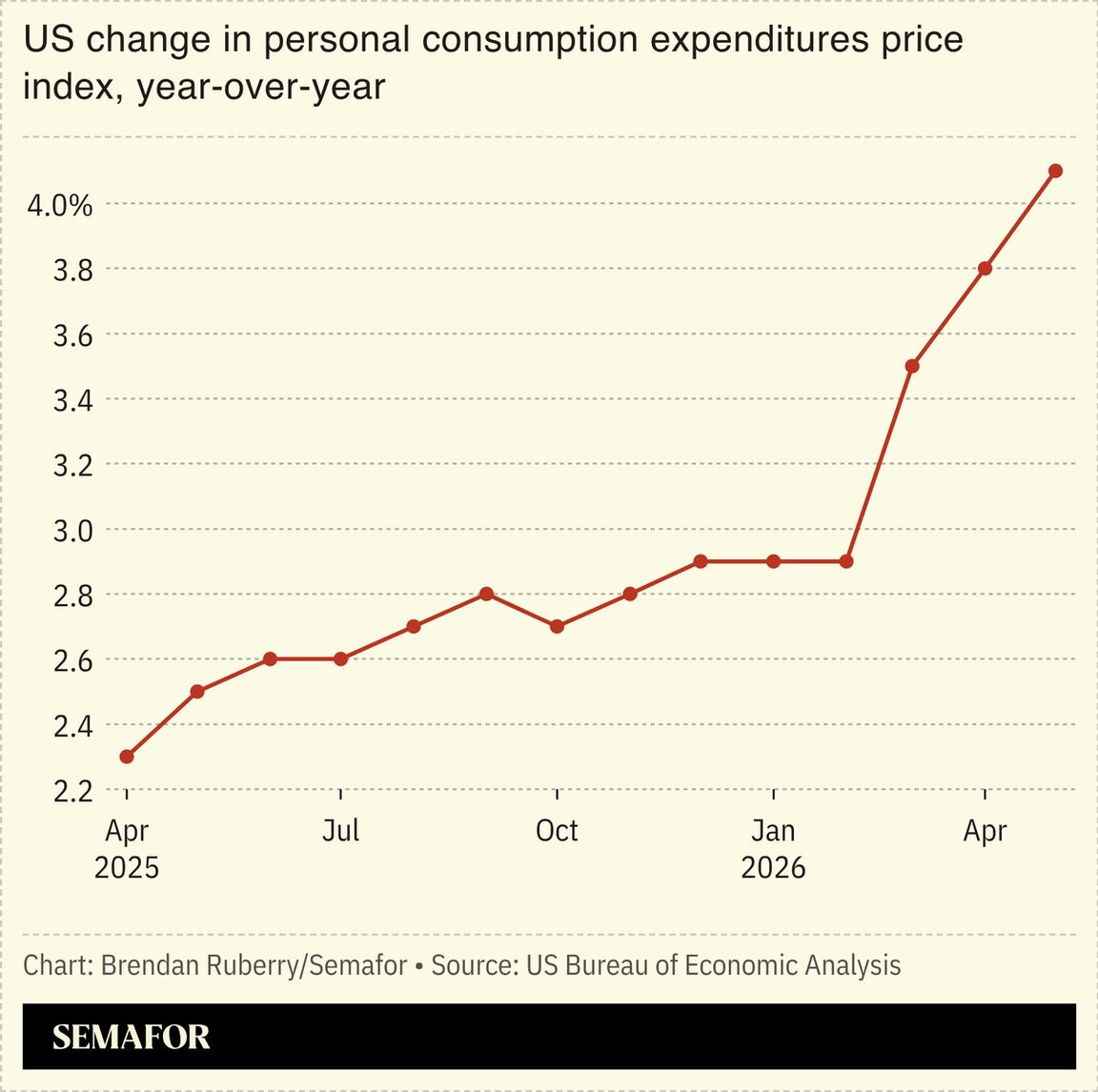 Countries everywhere are feeling inflationary pressures from the Iran war, but Americans and Europeans are coping differently. Rising energy prices pushed US inflation in May to its highest level in three years, but Thursday’s data showed that consumer spending remained resilient, thanks in part to larger tax refunds and rising stock prices. Americans are spending on traveling and eating out, though they’re hunting for deals and deferring big purchases; many are saving less and reaching for credit cards. Europeans, meanwhile, have “doubled down on frugality,” The Wall Street Journal wrote, saving more and spending largely on essentials. Inflation’s psychological toll runs deeper on the continent, owing to memories of wartime scarcity, and the Iran conflict-fueled inflation risks deepening consumer malaise. |
|
Apple raises prices on memory crunch |
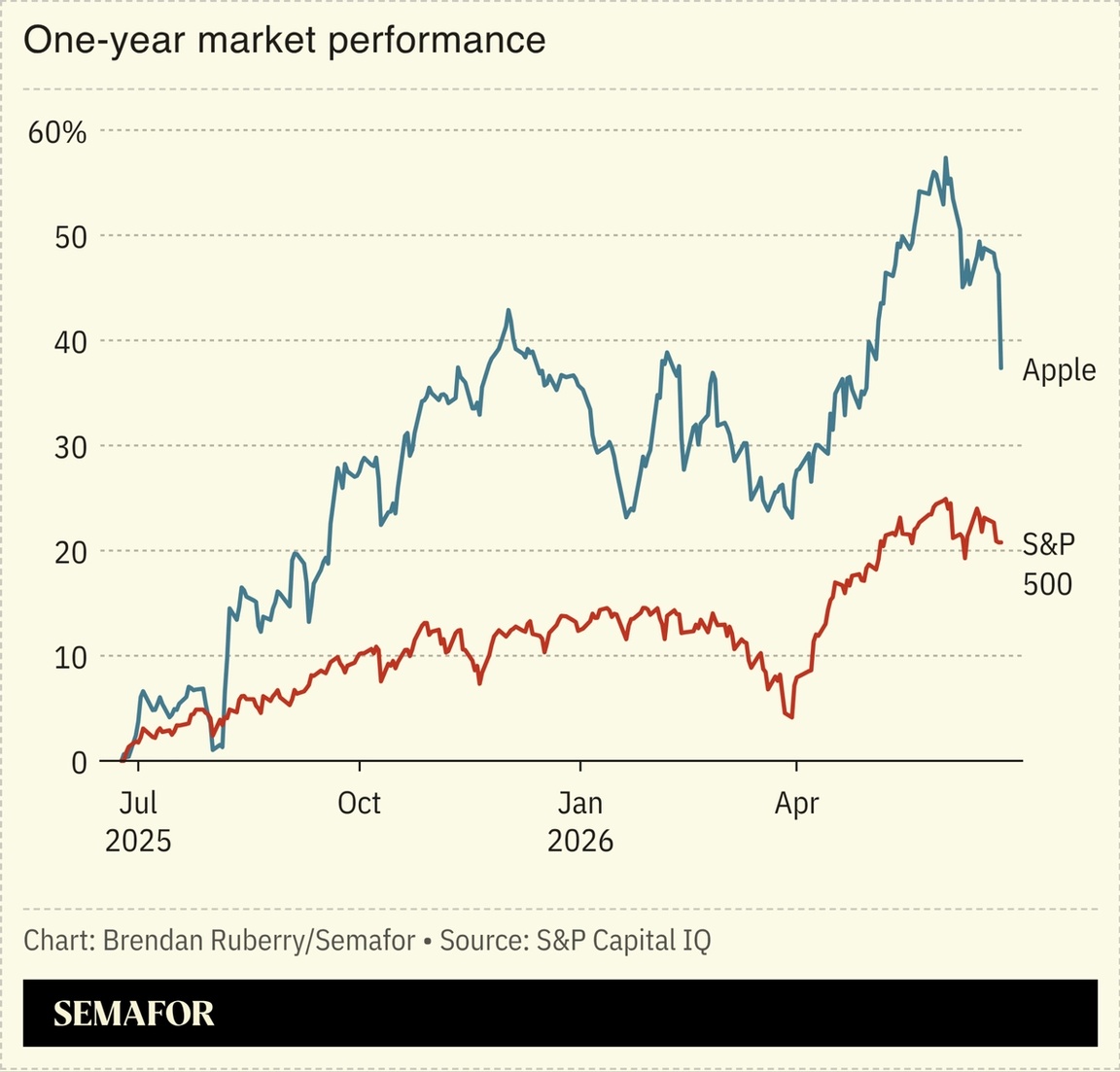 Apple’s stock sank Thursday after the company raised prices across its flagship products to offset soaring costs caused by the AI-fueled global memory chip shortage. “The memory guys are passing along huge price increases,” CEO Tim Cook said, arguing Apple could no longer protect consumers, as it hiked prices of some devices by more than $200. The “memory armageddon has arrived,” The Wall Street Journal wrote. The announcement came a day after US chipmaker Micron posted blowout earnings, but the windfall is “bad news for most of us,” a Bloomberg columnist argued: Soaring chip prices could also stoke inflation, forcing the US Federal Reserve to raise interest rates and making it harder for Americans to buy homes. |
|
 Florence Lo/Reuters Florence Lo/ReutersChina’s AI companies are aggressively scaling to compete with the US, but researchers warn the fierce rivalry could come at a cost. DeepSeek hopes to at least double the size of all its departments to become a “driving force” in developing artificial general intelligence — AI that exceeds human capabilities. Zhipu plans to use its domestic listing proceeds to fund its own AGI quest, after the startup’s latest model closed the gap with top US models. Chinese companies are capturing a growing share of the AI market, with more users tapping their open-source models. But competition without cooperation carries cybersecurity risks that could be catastrophic for both superpowers, experts told Wired. “AI doesn’t need a Chernobyl moment,” an MIT scientist said. |
|
AI project to train US workers |
 Gina Raimondo. Annabelle Gordon/Semafor Gina Raimondo. Annabelle Gordon/SemaforA bipartisan US consortium, backed by AI giants including Anthropic and OpenAI, is launching an initiative to help prepare American workers for AI-driven disruption. The project has already raised more than $500 million in private capital to encourage companies to retrain and redeploy employees. “I’m excited about AI… but I am worried that we have to be purposeful and intentional,” former Commerce Secretary Gina Raimondo, who is leading RAISE US, told Semafor, noting that American anxiety about AI runs deeper than in Europe or Asia. That gap in sentiment reflects deeper structural differences: A study last year of 50 countries’ AI strategies found that only 13 prioritized current workforce training, 11 of which were in Europe. |
|
Another twist in Dimon succession race |
 Mike Segar/Reuters Mike Segar/ReutersThe race to succeed JPMorgan’s Jamie Dimon atop the largest US lender took another turn on Thursday, as the 70-year-old chief — entering his third decade as CEO — elevated two new candidates, and a potential contender departed. The bank named Troy Rohrbaugh and Doug Petno co-presidents, as previous favorite Marianne Lake exited, marking the latest twist in the “slowest-moving succession soap opera on Wall Street,” The New York Times wrote. But “those trying to read the tea leaves” should not “stare too hard,” Semafor’s Liz Hoffman argued: Lake herself was at least the eighth JPMorgan executive to occupy pole position since 2013, in which time Dimon has “occasionally sharpened his rolling five-year time frame for retirement but not advanced it.” |
|
Venezuela quakes test US aid effort |
 Leonardo Fernandez Viloria/Reuters Leonardo Fernandez Viloria/Reuters
The deadly earthquakes in Venezuela will test the Trump administration’s disaster relief response after it dismantled USAID. Wednesday’s earthquakes, described as the “strongest in a century,” have triggered frantic search-and-rescue efforts. President Donald Trump said the US was “ready, willing, and able to help,” reflecting “a degree of diplomatic realignment” between Washington and Caracas, CNBC noted, and “putting to the test Washington’s role as the most influential international partner in the country’s post-Maduro transition,” SCMP wrote. Venezuela was “the birthplace of US aid abroad,” a Council on Foreign Relations expert noted, and without USAID, which typically led international disaster responses in the past, the world is watching closely whether Washington can effectively deliver life-saving help. |
|
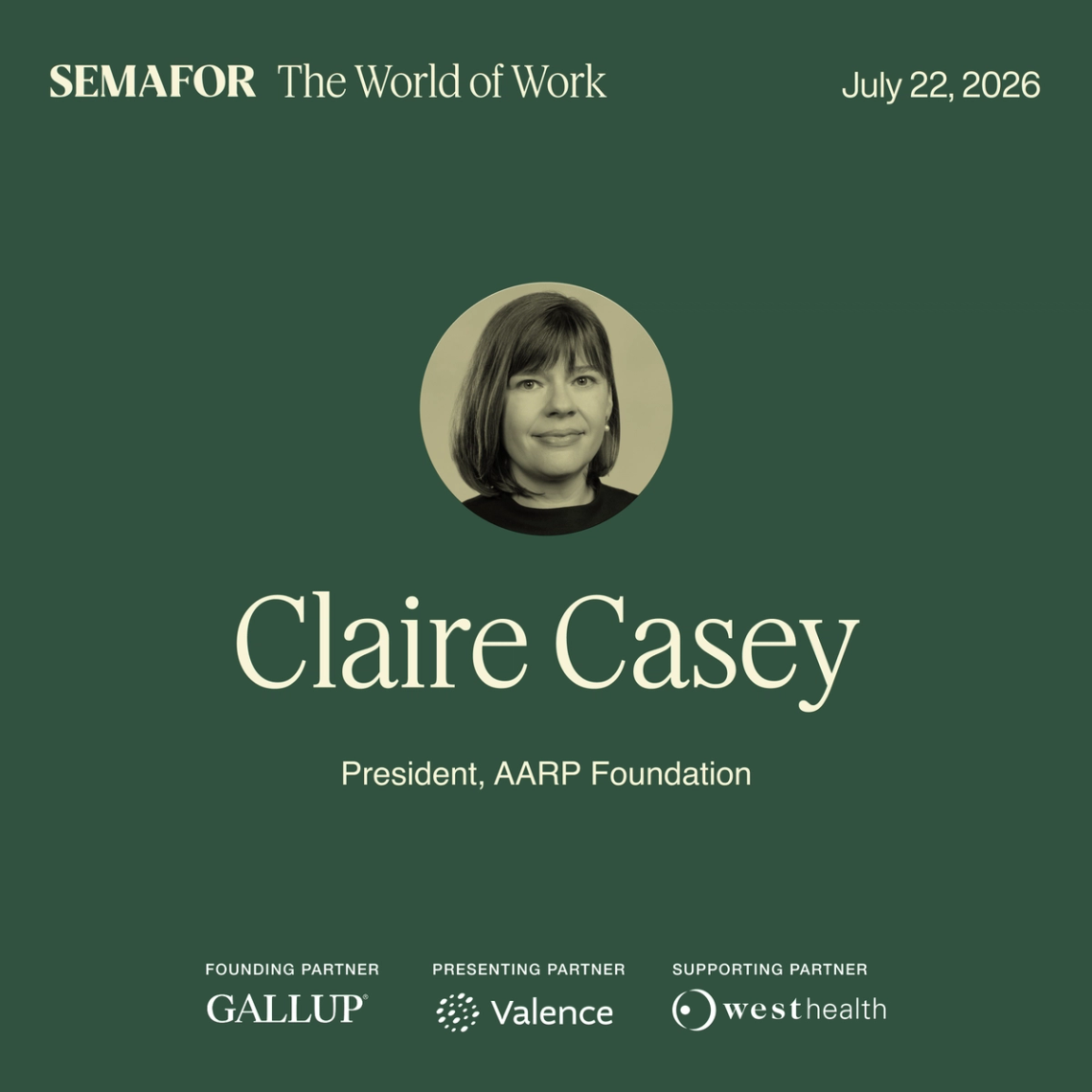 On Wednesday, July 22, Claire Casey, President of the AARP Foundation, will join Semafor’s The World of Work in Washington, DC to unpack how institutions are adapting and thriving in an increasingly fragmented economy. As companies face rapid technological change, economic uncertainty, and shifting workforce expectations, leaders are rethinking performance, trust, and long-term success. To explore how AI adoption, workforce transformation, and evolving leadership demands are reshaping the future of work, Semafor editors will sit down with business executives and workplace innovators including Katy George, Corporate Vice President, Workforce Transformation, Microsoft; Claire MacIntyre, Chief People Officer, Sam’s Club; Mary Moreland, Executive Vice President, Human Resources, Abbott; and more. |
|
France records hottest day ever |
|
EU border checks cause travel chaos |
 Bernadett Szabo/Reuters Bernadett Szabo/Reuters
|
|
|


