| | NATO ruptures are on display, China test fires a long-range missile, and FIFA grapples with a favori͏ ͏ ͏ ͏ ͏ ͏ |
| |  | Flagship |  |
| |
|
The World Today | 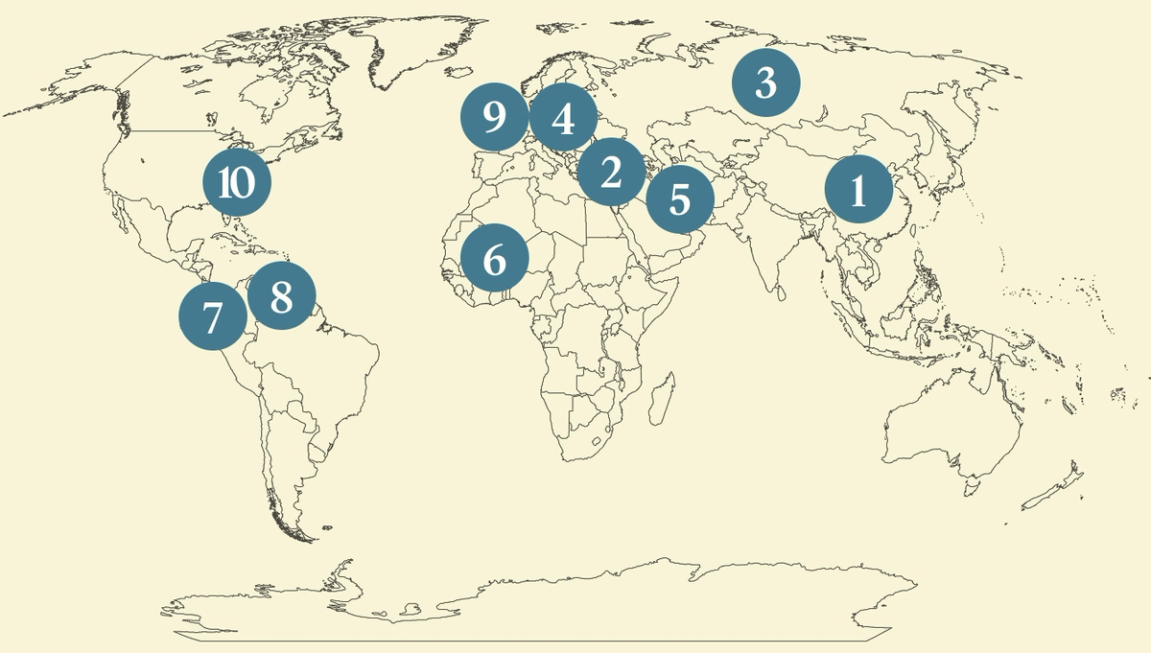 - China launches missile test
- NATO’s rupture on display
- Russia, Ukraine trade fire
- Europe worry about Trump
- Khamenei funeral politics
- Insurgents hammer Mali
- Colombia mimics Bukele
- Venezuela’s quake politics
- Farage graft allegations
- FIFA US favoritism row
 The London Review of Substacks, and a new book on how Big Tech is reshaping politics and economics. |
|
China tests long-range missile |
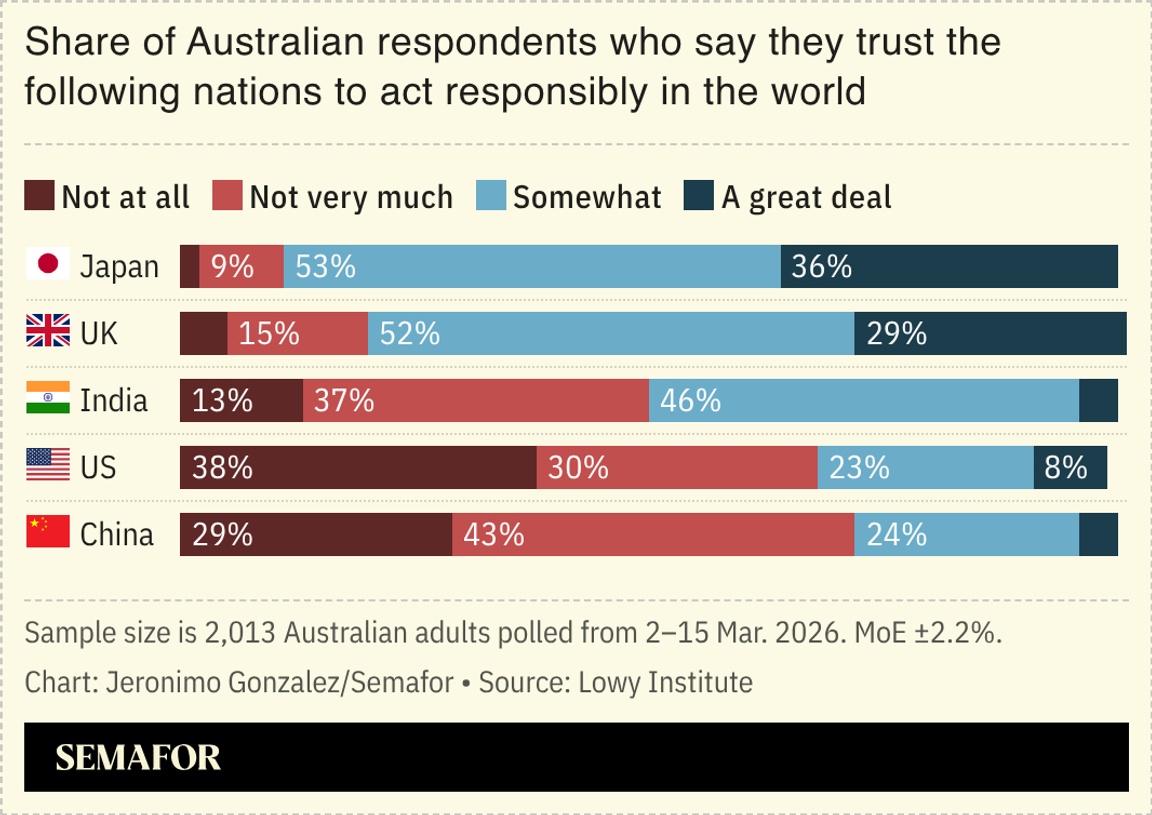 China tested a long-range ballistic missile in the Pacific, drawing sharp criticism from regional rivals who have increasingly sought to ally against what they see as an aggressive Beijing. Chinese state media did not say where the missile — launched from a nuclear-powered submarine, with a dummy warhead — landed, and insisted the operation was “not directed against any specific country or target.” Australia, Japan, and New Zealand all nevertheless protested the test. Tensions are on the increase in the region: China has intensified its naval pressure campaign against Taiwan, while Australia and Japan have sought to deepen alliances aimed at constraining Beijing. Indeed, the Chinese test came mere hours after Canberra signed a defense deal with Fiji. |
|
Europe wary ahead of NATO summit |
|
Moscow, Kyiv escalate campaigns |
|
Eastern Europe girds its loins |
 Kuba Stezycki/Reuters Kuba Stezycki/ReutersUkraine and its neighbors are increasingly skeptical that the US will come to their aid in the face of Russian aggression, and are taking precautions accordingly. Along multiple stretches of Europe’s eastern flank with Russia, from Poland to Finland, Axel Springer reporters described countries stockpiling, fortifying, and preparing for a conflict that “may be theirs to fight largely alone.” In Latvia — home to a raft of exiled Russian media — Semafor’s editor-in-chief noted that US President Donald Trump is “still a source of deep concern,” while in Kyiv, The Counteroffensive’s founder recounted how one European responded to his plans for a July 4th party “with a look of disgust.” |
|
Politics on display at Khamenei funeral |
 Office of the Iranian Supreme Leader/Handout via Reuters Office of the Iranian Supreme Leader/Handout via ReutersIran sought to project strength with its funeral for slain Supreme Leader Ali Khamenei, a ceremony that has become a geopolitical battleground. Western countries largely eschewed attending; representatives of Iran’s allies such as China and Russia did, along with leaders from countries — including Armenia — that have pursued stronger ties with the West. Iranian media alleged that Washington pressured more than a dozen countries to withdraw or send low-level delegations; the US has not addressed the report. Although Iran’s new supreme leader was notably absent, the funeral represented “a show of force” for Tehran, one security analyst wrote, and evidence that it still holds the support of huge numbers of the country’s war-battered people. |
|
Insurgents hit Mali military sites |
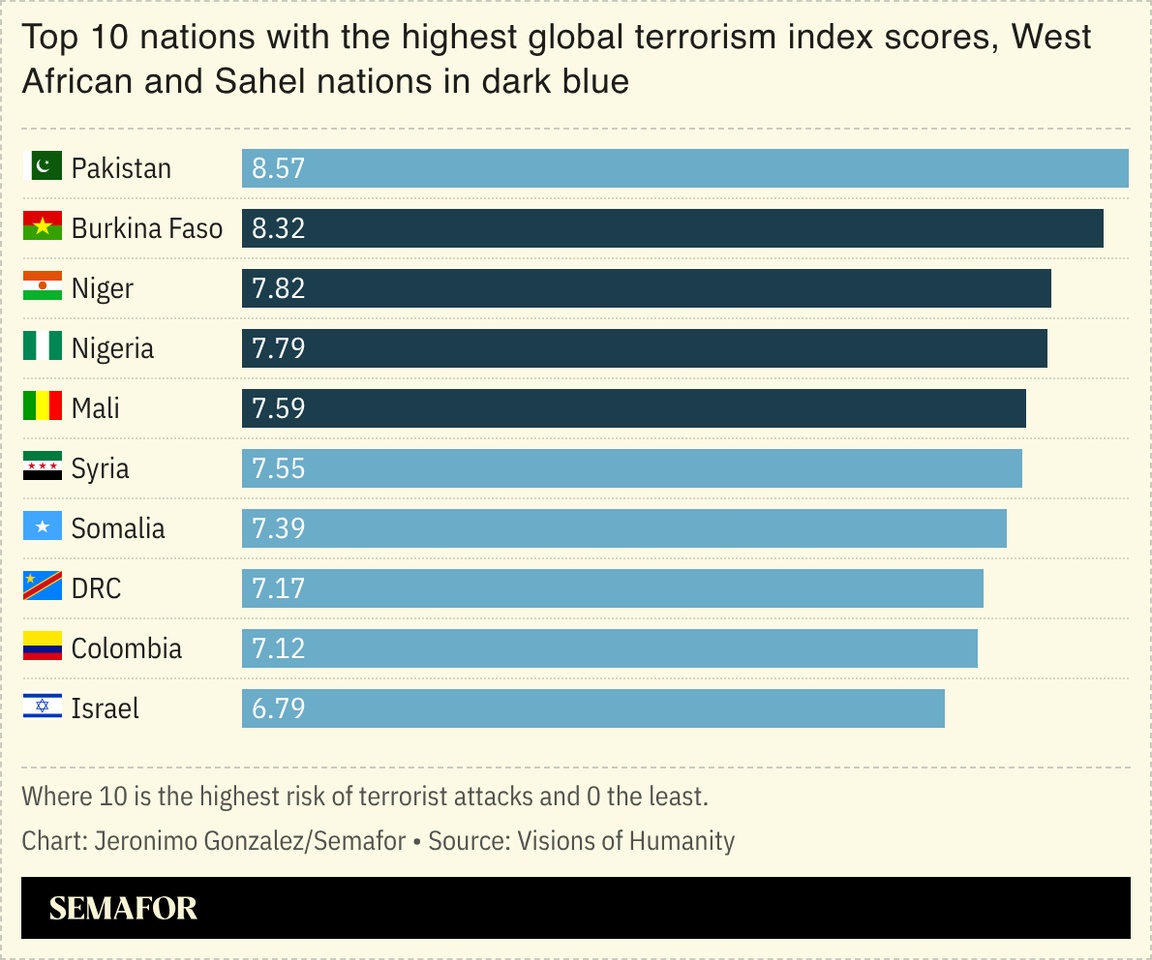 Insurgents attacked Malian military installations, including in areas where Russia’s Africa Corps operates, underscoring the nation’s volatility since it opened security ties with the Kremlin. Bamako and other West African capitals have in recent years cut long-standing defense relations with Western nations in favour of Moscow, which has been accused of offering “regime survival” programs in exchange for huge economic concessions. However, those moves have only made their countries more volatile, experts said, fueling unrest in the Sahel, which now accounts for around half of the world’s terrorism-related deaths. “An acute humanitarian crisis is exacerbating violent extremism’s threat to regional stability,” the Council on Foreign Relations wrote.
|
|
Colombia mimics El Salvador crackdown |
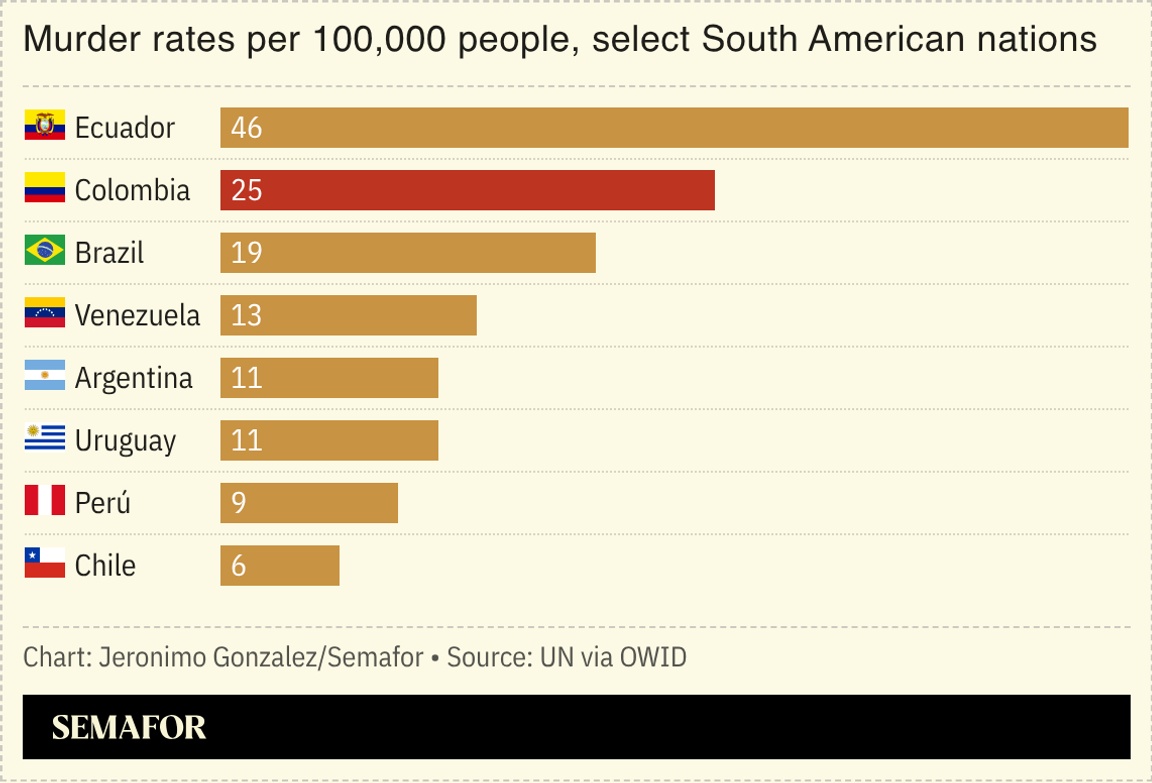 Colombia’s president-elect has vowed to replicate El Salvador’s draconian crackdown on crime, but experts warned that copying the policy in a country nearly 10 times the size would be infeasible. Abelardo de la Espriella has promised a tough approach, amid rising murder rates and the failure of his predecessor’s “total peace” strategy of negotiation with the country’s powerful armed groups. However, experts said mimicking Salvadoran President Nayib Bukele’s brutal but effective crackdown on organized crime — which has included building a megaprison where thousands of young men are held — is impossible given the relative strength of Colombia’s institutions and the power of its armed groups. This will be “trial by fire” for de la Espriella’s government, El País wrote. |
|
Venezuela quakes upend politics |
 Juan Carlos Hernandez/Reuters Juan Carlos Hernandez/ReutersGrowing skepticism in Venezuela over the government’s response to last week’s twin earthquakes is fueling anti-government protests that may transform the country’s politics. The official number of people killed by the twin earthquakes that struck Venezuela last week topped 3,000, though experts believe the figure is far higher. Critics say shoddy social housing and the hollowing-out of institutions over decades of Chavista rule worsened the outcome of the disaster, with many blaming interim President Delcy Rodríguez, whose 180-day mandate expired last week. Opposition leaders see an opportunity: Nobel Peace Prize winner María Corina Machado has vowed to return to her country, despite opposition from the US, and others are positioning themselves to replace Rodríguez, DW reported. |
|
UK hard-right leader under scrutiny |
 Temilade Adelaja/Reuters Temilade Adelaja/ReutersNigel Farage — whose hard-right, anti-immigration party tops the polls in the UK — is facing growing scrutiny over his political finances. Britain’s Sunday Times reported that a convicted fraudster helped pay for Farage’s security, staff, and accommodation; the Reform UK leader is also being investigated by the country’s parliamentary standards commissioner over a £5 million donation from a Thailand-based crypto-billionaire. Farage and his party have denied wrongdoing, saying the donations didn’t need to be declared because they were made before he was elected in 2024. Still, “rival parties are licking their lips” over the criticism, Politico reported: Multiple lawmakers have called for another standards probe which, if instigated, would be the fourth into Farage. |
|
Outrage as US World Cup ban overturned |
 Phil Noble/File Photo/Reuters Phil Noble/File Photo/ReutersFIFA overturned a one-match men’s World Cup suspension against US striker Folarin Balogun after President Donald Trump reportedly pressured soccer’s governing body, leading to accusations of favoritism. The move has sparked schisms ahead of the US’ round of 16 tie: Belgium, which faces the US tonight, has appealed the decision, with its coach saying he didn’t know it was “April Fool’s day.” Meanwhile UEFA, the top body in European football, is considering taking action against FIFA, Politico reported. The decision has led to accusations that FIFA boss Gianni Infantino has kowtowed to Trump, who last year won FIFA’s inaugural peace prize, prompting European lawmakers to call for an investigation into how the prize was awarded, Le Monde reported. |
|
|


