Bullying in Later Life
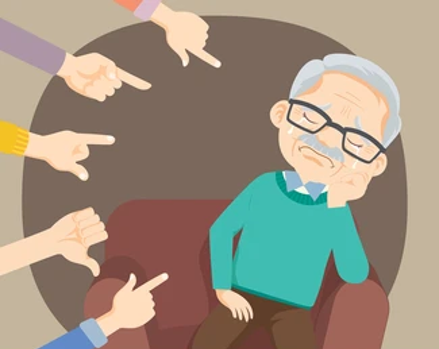
When we think about bullying, we generally think about teasing in the school cafeteria or kids getting pushed into lockers. Unfortunately, bullying occurs across the lifespan, often into later life.
According to the AARP, an estimated 10-20% of older adults experience some type of "senior-to-senior aggression", usually verbal abuse. However, most cases go unreported. Bullying can occur in independent living communities, senior centers, adult day health centers, rehab facilities, assisted-living facilities, nursing homes, and at community events. While bullying among children might happen on the playground, bullying among older adults can take place in dining areas, community rooms, elevators, stairwells, or even online.
Physical forms of bullying can include:
- Threatening with an overbearing physical presence
- Hitting, pushing, kicking, pinching
- Sexual harassment / abuse
- Stealing / destroying items or personal property
Verbal, emotional or relational forms of bullying can include:
- Swearing or shouting
- Dirty looks
- Passive aggressive comments
- Negative, critical comments about someone’s appearance, abilities, etc.
- Demanding or bossing around
- Unwanted, unsolicited sexual comments
- Isolating or not allowing into the group
- Spreading rumors, gossiping
Bullies often target individuals due to perceived vulnerabilities and differences, such as socioeconomic status or religion. Individuals that are new to a community and are lacking other social supports are often targeted.
Individuals that experience bullying are at a greater risk for stress, anxiety, and isolation. They may no longer feel safe or comfortable in that setting. Overall, bullying creates an environment of fear and disrespect where everyone is affected.
We can all play a role in ending bullying in later life.
- Make clear expectations that bullying is not tolerated in your community.
- Conversations about bullying should be on-going to identify and address potential problems early.
- Reporting procedures should be clear.
- Promote compassion, tolerance, and empathy.
- Plan activities that allow for everyone, regardless of skill level, to have fun and be successful.
- Let bullies know that their behavior isn’t acceptable. Try to determine if their behavior might be related to an unmet need. Help them find other outlets to manage anger or to connect with others. Remember, individuals who bully are often facing their own insecurities and challenges.
- Support the person being bullied. Help foster their self-worth and dignity through meaningful activities that they can excel at.
Please reach out to RAFT if you would like to learn more about bullying in later life.
|