Plus: Number of 'disposable workers' on the rise ‌ ‌ ‌ ‌ ‌ ‌ ‌ ‌ ‌ ‌ ‌ ‌ ‌ ‌ ‌ ‌ ‌ ‌ ‌ ‌ ‌ ‌ ‌ ‌ ‌ ‌ ‌ ‌ ‌ ‌ ‌ ‌ ‌ ‌ ‌ ‌ ‌ ‌ ‌ ‌ ‌ ‌ ‌ ‌ ‌ ‌ ‌ ‌ ‌ ‌ ‌ ‌ ‌ ‌ ‌ ‌ ‌ ‌ ‌ ‌ ‌ ‌ ‌ ‌ ‌ ‌ ‌ ‌ ‌ ‌ ‌ ‌ ‌ ‌ ‌ ‌ ‌ ‌ ‌ ‌ ‌ ‌ ‌ ‌ ‌ ‌ ‌ ‌ ‌ ‌ ‌ ‌ ‌ ‌ ‌ ‌ ‌ ‌ ‌ ‌ ‌ ‌ ‌ ‌ ‌ ‌ ‌ ‌ ‌ ‌ ‌ ‌ ‌ ‌ ‌ ‌ ‌ ‌ ‌ ‌ ‌ ‌ ‌ ‌ ‌ ‌ ‌ ‌ ‌ ‌ ‌ ‌ ‌ ‌ ‌ ‌ ‌ ‌ ‌ ‌ ‌ ‌ ‌ ‌ ‌ ‌ ‌ ‌ ‌ ‌ ‌ ‌ ‌ ‌ ‌ ‌ ‌ ‌ ‌ ‌ ‌ ‌ ‌ ‌ ‌ ‌ ‌ ‌ ‌ ‌ ‌ ‌ ‌ ‌ ‌ ‌ ‌ ‌ ‌ ‌ ‌ ‌ ‌ ‌ ‌ ‌ ‌ ‌ ‌ ‌ ‌ ‌ ‌ ‌ ‌ ‌ ‌ ‌ ‌ ‌ ‌ ‌ ‌ ‌ ‌ ‌ ‌ ‌ ‌ ‌ ‌ ‌ ‌ ‌ ‌ ‌ ‌ ‌ ‌ ‌ ‌ ‌ ‌ ‌ ‌ ‌ ‌ ‌ ‌ ‌ ‌ ‌ ‌ ‌ ‌ ‌ ‌ ‌ ‌ ‌ ‌ ‌ ‌ ‌ ‌ ‌ ‌ ‌ ‌ ‌

US Edition - Today's top story: Chronic pain is missing from America's heat warnings View in browser

11 August 2026

US Edition

The Conversation
 

Top headlines

Lead story

It’s been a hot, sticky summer across much of the United States – July was the hottest month in 132 years of record-keeping in the contiguous U.S. For many older adults, extreme temperatures like this are more than uncomfortable; they also come with chronic pain. Yet heat warnings never mention that risk, and the connection doesn’t always come up in medical exams.

Feinuo Sun, who studies demographics and public health at the University of Texas at Arlington, looked at data from 35,000 older Americans across the country and connected extreme local temperatures to reports of chronic pain.

She and her colleague found higher levels of chronic pain with extreme heat in certain places. Understanding where these places are, and who is most likely to suffer when temperatures spike, can help improve medical care and how communities respond when temperatures spike, she writes.

[ Sign up for our weekly Global Economy & Business newsletter, with expert perspectives from around the world. ]

 

Stacy Morford

Senior Environment, Climate and Energy Editor

 
Fans can help circulate air, but on a hot day they do little for people working in a Mississippi farmer’s market. AP Photo/Rogelio V. Solis

Chronic pain is missing from America’s heat warnings

Feinuo Sun, University of Texas at Arlington

Chronic pain can make it hard to walk, carry groceries or sleep through the night. A new study finds that extreme temperatures are linked to that kind of pain.

Economy + Business

Concierges, adjunct professors, potato chip tasters: US employers are relying more and more on ‘disposable’ workers

Paul Osterman, Massachusetts Institute of Technology (MIT)

About 1 in 3 US workers are in this predicament.

Politics + Society

How state constitutions became the battleground for American rights and liberties – on both the left and right

Quinn Yeargain, Michigan State University

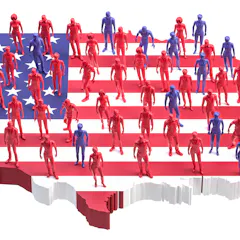
State constitutions play a growing role in American politics. But turning to such documents to recognize rights and liberties is not a new project – nor is it an entirely liberal one.

The forgotten racial history of Alligator Alcatraz

Mark V. Barrow, Jr., Virginia Tech

The recently shuttered immigrant detention facility continued a long tradition of using alligators in ways that have reinforced demeaning racial stereotypes.

Ethics + Religion

Emerging anti-immigration sentiment in Japan obscures a surprising history of strategic engagement with Islam

Mimi Hanaoka, University of Richmond

A false rumor started in the early 20th century that the Japanese emperor would convert to Islam. It helped Japan build alliances with Muslims across Asia.

Science + Technology

New tech adds phone tracking to license plate readers, associating devices with identifiable cars

Nicole M. Bennett, Indiana University

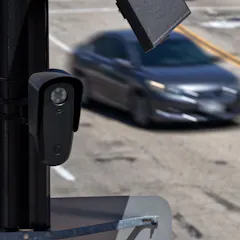
License plate readers are widely used in the US. A new product marketed to police departments promises to add the ability to sense phones and other devices in passing cars.

International

Criminal gangs have diversified across Latin America, making them more resilient – but not untouchable

Robert Muggah, Instituto Igarapé; Princeton University

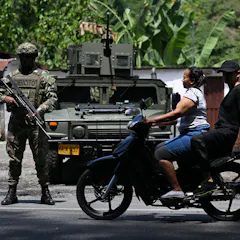
Crackdowns may suppress some forms of gang activity without dismantling their economic structures.

Colombia earthquake has killed at least 132. My research helps explain why it was so destructive

Ryan Hoult, University of Newcastle

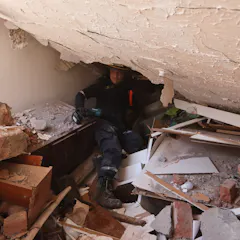
Many buildings in Colombia have thin concrete walls, which makes them extremely vulnerable to collapse.

Trending on site

Today's chart

A line graph comparing how many voters who identify as Democrats call themselves "liberals" and how many working-class voters call themselves "liberals." The graph compares these numbers from 1974 to 2024. In 2024, 70% of voters identifying themselves as Democrats called themselves "liberals." But just 30% of working-class voters said the same. In past decades, the proportions were much more similar.

Disagreement over who calls themselves 'liberals'

Read the article
 

About The Conversation

We're a nonprofit news organization dedicated to bringing you facts and trustworthy analysis to help you make sense of our complex world. We can give away our articles thanks to the generosity of readers like you. Learn more about us

Support our work

More from The Conversation