Plus: Why political disagreements feel so threatening ‌ ‌ ‌ ‌ ‌ ‌ ‌ ‌ ‌ ‌ ‌ ‌ ‌ ‌ ‌ ‌ ‌ ‌ ‌ ‌ ‌ ‌ ‌ ‌ ‌ ‌ ‌ ‌ ‌ ‌ ‌ ‌ ‌ ‌ ‌ ‌ ‌ ‌ ‌ ‌ ‌ ‌ ‌ ‌ ‌ ‌ ‌ ‌ ‌ ‌ ‌ ‌ ‌ ‌ ‌ ‌ ‌ ‌ ‌ ‌ ‌ ‌ ‌ ‌ ‌ ‌ ‌ ‌ ‌ ‌ ‌ ‌ ‌ ‌ ‌ ‌ ‌ ‌ ‌ ‌ ‌ ‌ ‌ ‌ ‌ ‌ ‌ ‌ ‌ ‌ ‌ ‌ ‌ ‌ ‌ ‌ ‌ ‌ ‌ ‌ ‌ ‌ ‌ ‌ ‌ ‌ ‌ ‌ ‌ ‌ ‌ ‌ ‌ ‌ ‌ ‌ ‌ ‌ ‌ ‌ ‌ ‌ ‌ ‌ ‌ ‌ ‌ ‌ ‌ ‌ ‌ ‌ ‌ ‌ ‌ ‌ ‌ ‌ ‌ ‌ ‌ ‌ ‌ ‌ ‌ ‌ ‌ ‌ ‌ ‌ ‌ ‌ ‌ ‌ ‌ ‌ ‌ ‌ ‌ ‌ ‌ ‌ ‌ ‌ ‌ ‌ ‌ ‌ ‌ ‌ ‌ ‌ ‌ ‌ ‌ ‌ ‌ ‌ ‌ ‌ ‌ ‌ ‌ ‌ ‌ ‌ ‌ ‌ ‌ ‌ ‌ ‌ ‌ ‌ ‌ ‌ ‌ ‌ ‌ ‌ ‌ ‌ ‌ ‌ ‌ ‌ ‌ ‌ ‌ ‌ ‌ ‌ ‌ ‌ ‌ ‌ ‌ ‌ ‌ ‌ ‌ ‌ ‌ ‌ ‌ ‌ ‌ ‌ ‌ ‌ ‌ ‌ ‌ ‌ ‌ ‌ ‌ ‌ ‌ ‌ ‌ ‌ ‌ ‌ ‌ ‌ ‌ ‌ ‌ ‌

US Edition - Today's top story: Controlling wild pigs can work if it's a group effort View in browser

13 August 2026

US Edition

The Conversation
 

Top headlines

Lead story

Feral swine are no joke. These menacing hogs can root up lawns and parkland, and eat their way through farm fields. And they multiply at an alarming rate. A colleague told me of the years she spent chasing them out of her yard and cleaning up the damage.

Decades of public and private efforts have tried to get a handle on them, with relatively little success. So when I heard that agricultural economists Chris Boyer and Aaron Smith at the University of Tennessee and Eunchun Park at the University of Arkansas had evaluated a new approach, I wanted to know more.

They checked out the results of a federally coordinated program to use taxpayer money to support private landowners’ coordinated efforts in specific areas to deal with the hogs. They found some promising news, but don’t count the hogs out yet, I’m afraid.

Also: We’re moving to a new email platform next week. If you experience any problems receiving our newsletters, please let us know at us-newsletter@theconversation.com.

 

Jeff Inglis

Environment + Energy Editor

 
Feral swine are found in at least 35 states in the U.S. CRobertson/iStock/Getty Images Plus

Controlling wild pigs can work if it’s a group effort

Chris Boyer, University of Tennessee; Aaron Smith, University of Tennessee; Eunchun Park, University of Arkansas

Teaming groups of private landowners with federal efforts yielded measurable success, at least in terms of defending cornfields.

Politics + Society

The false and the furious: We aren’t just bothered by different beliefs – we’re bothered when we think others are wrong

Andras Molnar, University of Michigan; George Loewenstein, Carnegie Mellon University

Differences in beliefs may not be what drives people apart. A belief that someone else is wrong may be the stronger force.

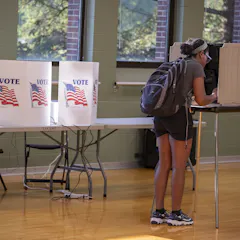
Michigan’s local election officials are confident in voting integrity ahead of November’s midterm election

Stephanie Leiser, University of Michigan

Despite their high confidence overall, almost half of surveyed election officials worried about the cost of running elections.

How American society shields perpetrators of child sexual abuse

Sarah K Lischer, Wake Forest University

A community – bystanders, law enforcement, colleagues and family – is likely to deny an atrocity when acknowledging it requires action.

Economy + Business

Trump’s ‘forever’ tariffs are kicking in for the long haul – and US consumers are footing the bill

Kent Jones, Babson College

The effects of the Trump administration’s 2025 tariffs are still being passed on to consumers, while new levies will add to the overall tariff rate.

Health + Medicine

Teens are turning to AI chatbots for emotional support – here’s how to keep kids safe

Phoebe S. Moore, UMass Chan Medical School; Megan Kelly, UMass Chan Medical School; Yael Dvir, UMass Chan Medical School

Chatbots are becoming commonplace in teens’ lives, but these tools were never developed or validated for mental health support.

Environment + Energy

Wildfire-damaged historic buildings may not be as ruined as they appear, but saving them means acting fast

Rebecca Napolitano, Penn State; Giorgia Giardina, Delft University of Technology; Tiago Miguel Ferreira, Universidade de Lisboa

The damage is sometimes only centimeters deep. Three engineers explain the colors of burned masonry and other signs preservationists look for amid another destructive fire year.

Education

‘Hello, just circling back!’ Not responding to emails is common across higher education but bad for morale

Austin Sarat, Amherst College

Several colleges and universities instruct students on how to navigate email communication on their campus, but more could consider the practice.

Science + Technology

Exploring the Moon will require rovers that can think for themselves – an upcoming NASA mission will test whether they can

Wanjiku Chebet Kanjumba, University of Florida

NASA’s CADRE mission will test a small team of autonomous rovers that can function without constant communication with Earth.

An AI agent spent your money – can anyone prove you authorized it?

Aashis Luitel, University of the Cumberlands

AI agents cross company boundaries, but proof of their authority often does not. When they overstep, no single record shows what the user allowed.

Trending on site

Today's chart

A map of the United States color coded according to whether the state allows sewage water to irrigate food crops. Some states allow food crop irrigation, some allow non-food crop irrigation, some have guidelines only but no regulations and some have no policies at all.

Cyclospora spreads through human waste – so how did it get on food?

Read the article