By Ross Kerber, U.S. Sustainable Business Correspondent
Yes, summer days can make you lazy. But the actual reason I delayed this newsletter from its usual Wednesday send-out was to capture the annual AFL-CIO Paywatch study being released today, which you can read about below.
You will also find links to stories about controversies around data centers, prediction markets, artificial intelligence and climate change - who says August news cycles are boring?
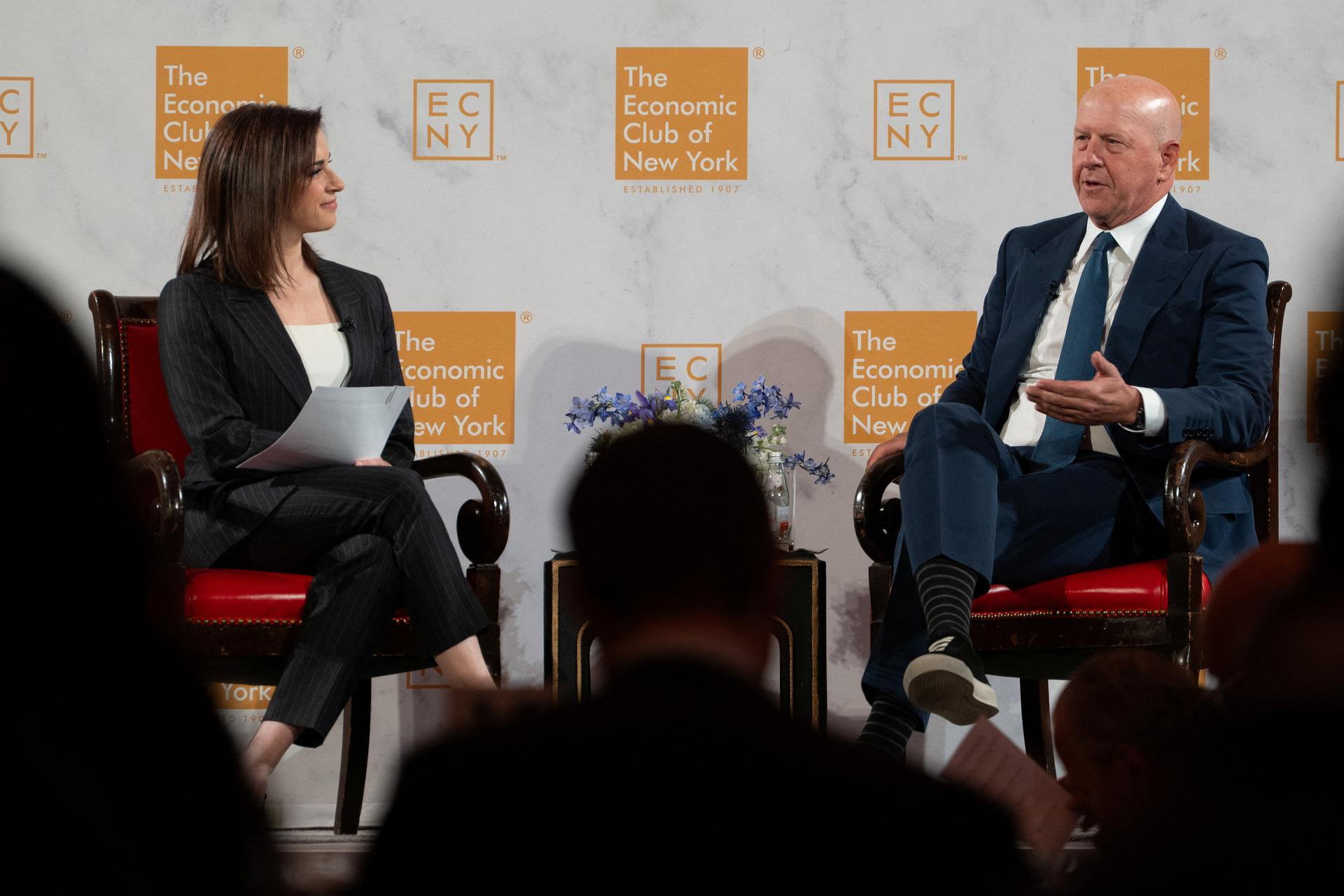
Goldman Sachs Group's David Solomon, one of the S&P 500 CEOs who received a giant compensation deal in 2025, addresses the Economic Club of New York in New York City, U.S. REUTERS/David 'Dee' Delgado
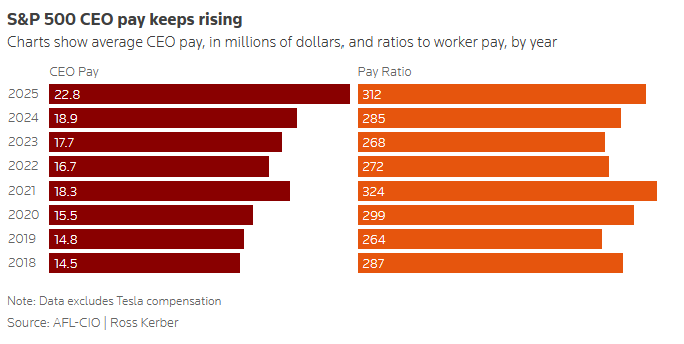
CEO pay jumps to record as Musk-inspired compensation plans spread
Extraordinary corporate compensation deals for Elon Musk have opened the door for the CEOs of other S&P 500 companies to win huge paydays, a new study shows.
Even excluding the CEO of Tesla and SpaceX, average compensation for chief executives in the S&P 500 soared 21% to $22.8 million in 2025, according to data released by the American Federation of Labor and Congress of Industrial Organizations. That is the highest amount since the top U.S. labor federation began tracking the metric in the 1990s.
Musk's pay "changes the dynamic when other CEO compensation plans come up, boards use it as a reference," Fred Redmond, the AFL-CIO's secretary-treasurer, said in a telephone interview.
Senior bankers now weigh community concerns when deciding whether to back data centers, as regulators and cities increasingly move to freeze, restrict or ban construction of the facilities over water and power use concerns.
Meta's AI glasses violate German privacy laws, a digital rights advocacy group said, the latest sign of legal scrutiny in a nation where the right to privacy is highly valued.
On my radar
Proxy advisers ISS and Glass Lewis could face more antitrust pressure after the U.S. Justice Department ended decades-old guidance. Even though the companies have reduced their support for environmental and social shareholder resolutions, they remain under fire from Republicans. Separately, ISS sued to challenge an Oklahoma law putting new obligations on proxy advisers, coming off legal victories in other states.
Last week's column on the likely end of the US corporate climate disclosure rules missed this input from Vanguard. The top mutual fund company signaled it could maybe kind of support continued disclosure. "In most cases, basic disclosures can provide investors with important information about material climate risks." Representatives didn't respond to requests for further comment.
A California district judge granted a motion to dismiss a lawsuit ExxonMobil filed challenging a California law requiring companies to disclose climate risk information. The ruling found federal law did not preempt the state law. A separate legal challenge to the California law and an accompanying one by the U.S. Chamber of Commerce remains pending.