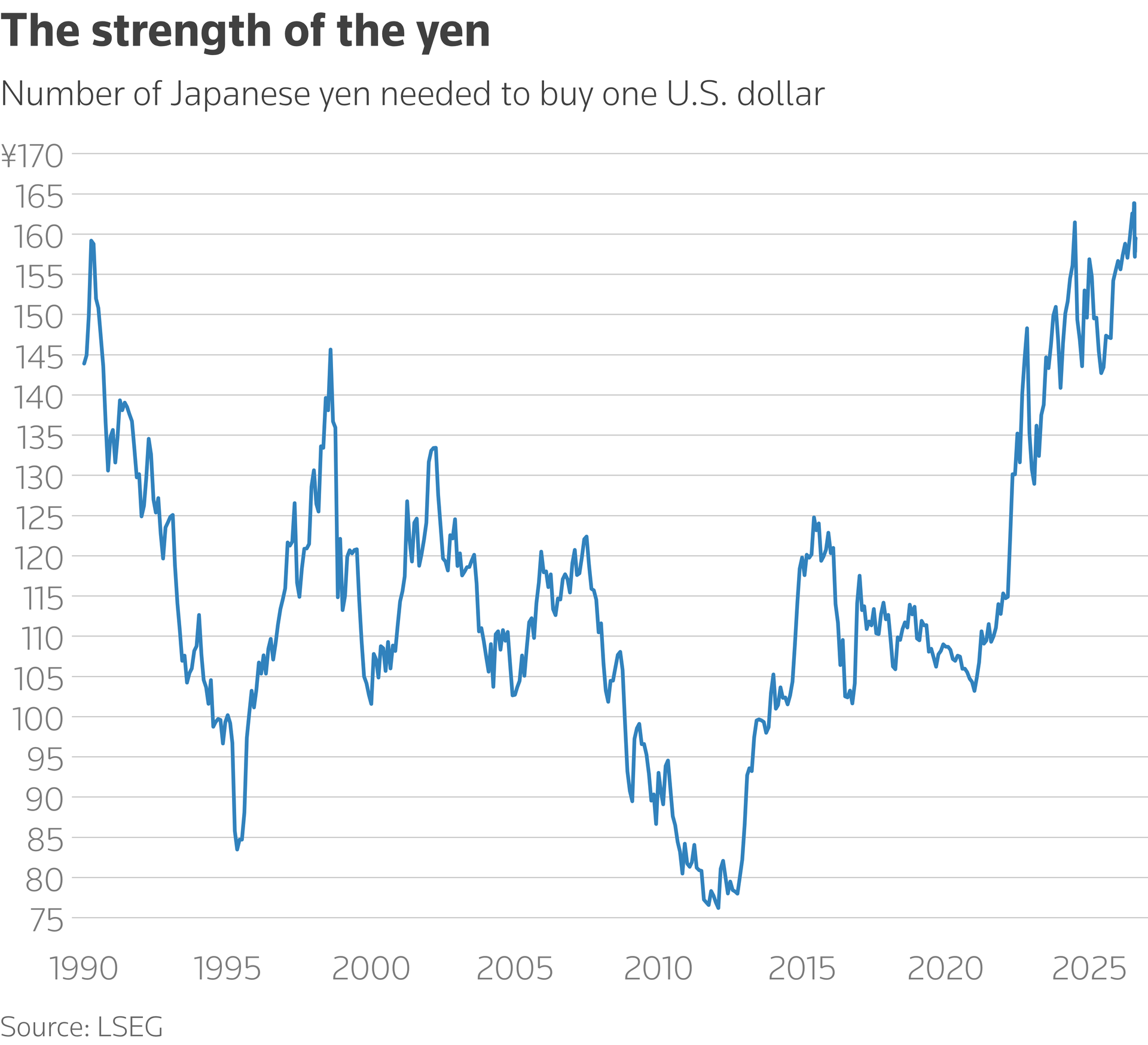
And yet, the yen's weakness has persisted, mainly because of the interest rate difference between Japan and other major currencies. The math has not shifted enough.
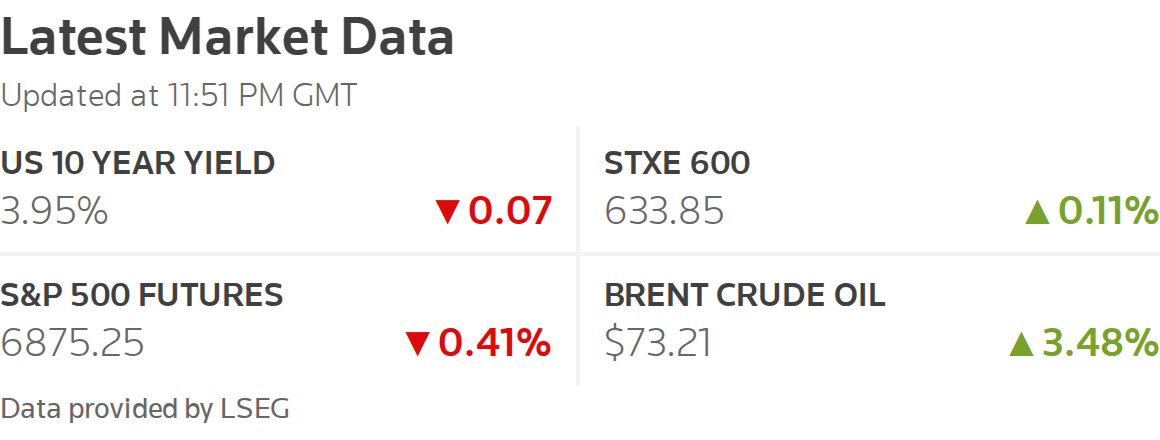
The 10-year U.S. Treasury still yields close to 4.7%, versus under 2.9% for 10-year Japanese government bonds. That gap is wide enough to keep the carry trade chugging along no matter how many billions of dollars get thrown at defending the yen.
So markets are now wagering it is the Bank of Japan's turn to help stem the yen's decline, with traders betting on a faster pace of hikes from a central bank that some analysts say has been fairly slow in increasing interest rates.
"Most market players believe the BOJ will raise rates in September and I think it should," said Tokyo's former top currency diplomat Mitsuhiro Furusawa, but added that what is more crucial is for the central bank to communicate is the likelihood of a faster pace of hikes.
The yen may also be helped by a recent run of benign U.S. inflation reports that lowered the odds of an imminent rate hike from the Federal Reserve, although the risk lingers especially as a peace deal in the Middle East remains elusive.
European stock futures indicate a modestly higher open as risk appetite has been underpinned this week by the economic data that showed limited pricing pressure.