|
|
Join the Suicide Risk Management Consultation Program (SRM) monthly lecture:
The VA’s Intimate Partner Violence Assistance Program (IPVAP)
|
|
What You'll Learn
- At least three risk factors for suicide related to intimate partner violence
- Prevention recommendations for VA settings
- Strategies for interdisciplinary collaboration
|
|
Presenters
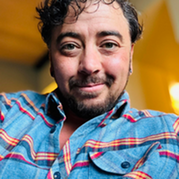
Matteo Vatalaro, LCSW
Matteo Vatalaro is a Licensed Clinical Social Worker and one of two Intimate Partner Violence Assistance Program Coordinators at the Eastern Colorado Health Care VA Medical System. Matteo has over a decade of experience in behavioral health and trauma-informed care, supporting vulnerable populations. Over the last five years, Matteo has specialized in treating Veterans who struggle with the use and/or experience of Intimate Partner Violence (IPV), as well as those who have experienced sexual assault within the Veteran population. Matteo has developed and facilitated VA IPV screening initiatives and interventions, implemented changes to local IPV policy, and regularly educates staff on trauma-sensitive practices for IPV. Matteo continues to be passionate about advancing collaborative, evidence-based approaches to improve the safety and well-being of Veterans, their families, and communities.
|
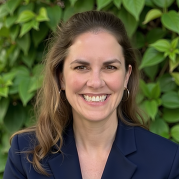
Aimee Edwards-Hunter, LCSW
Aimee Edwards Hunter is a Licensed Clinical Social Worker and one of two Intimate Partner Violence Assistance Program Coordinators at the Eastern Colorado Health Care VA Medical System. She specializes in trauma-informed practice, interpersonal violence prevention and intervention, and program development. Prior to her work with the VA, she served as a social worker for the Department of the Army in both clinical and leadership roles, where she developed and implemented programs addressing military sexual trauma, intimate partner and family violence, and co-occurring trauma-related disorders. She also provided support and training on trauma-informed care, resilience, and burnout prevention for helping professionals and command teams. Her work focuses on survivor-centered approaches to trauma, including examining the structural and systemic factors that contribute to interpersonal violence and exploitation.
|
|
|
|
Veterans experiencing intimate partner violence (IPV) may also face a higher risk of suicide, making recognition and early intervention crucial. Because the warning signs can be complex and interconnected, providers play a critical role in identifying risk and connecting Veterans with appropriate support.
This month's lecture will explore the latest evidence on the relationship between IPV and suicide risk, highlighting key warning signs and practical strategies that can be applied in VA settings. Participants will learn approaches to strengthen collaboration and better provide comprehensive, lasting support for Veterans.
Don't miss this opportunity to enhance your understanding and better support Veterans through informed, coordinated care.
|
|
Miss a Lecture?
Recordings of the lecture series will be made available after each event.
Explore the full catalog of recorded lectures on the SRM Lecture Series page.
|
|
New to SRM?
SRM offers free consultation, support, and resources, including our lecture series, to help providers implement best practices when working with Veterans at risk for suicide. Plus, participants in the SRM Lecture Series can earn free continuing education units (CEUs).
|
|
|
For updates about SRM, subscribe to the Rocky Mountain MIRECC mailing list using the link above.
|
|
SRM offers providers a safe space to address Veteran suicide treatment concerns.
|
| |