
| Forwarded this email? Subscribe for more |


 |
| By The Free Press |
It’s Tuesday, August 18. This is The Front Page, your daily window into the world of The Free Press—and our take on the world at large. Today: Aaron MacLean on the two ticking clocks that will decide the Iran war. Jacob Siegel says the U.S. and Israel are drifting apart—and that’s good. Coleman Hughes on Jason Arday and who gets anointed a black intellectual. And much more.
But first: One town’s war over America’s most-hated surveillance camera.
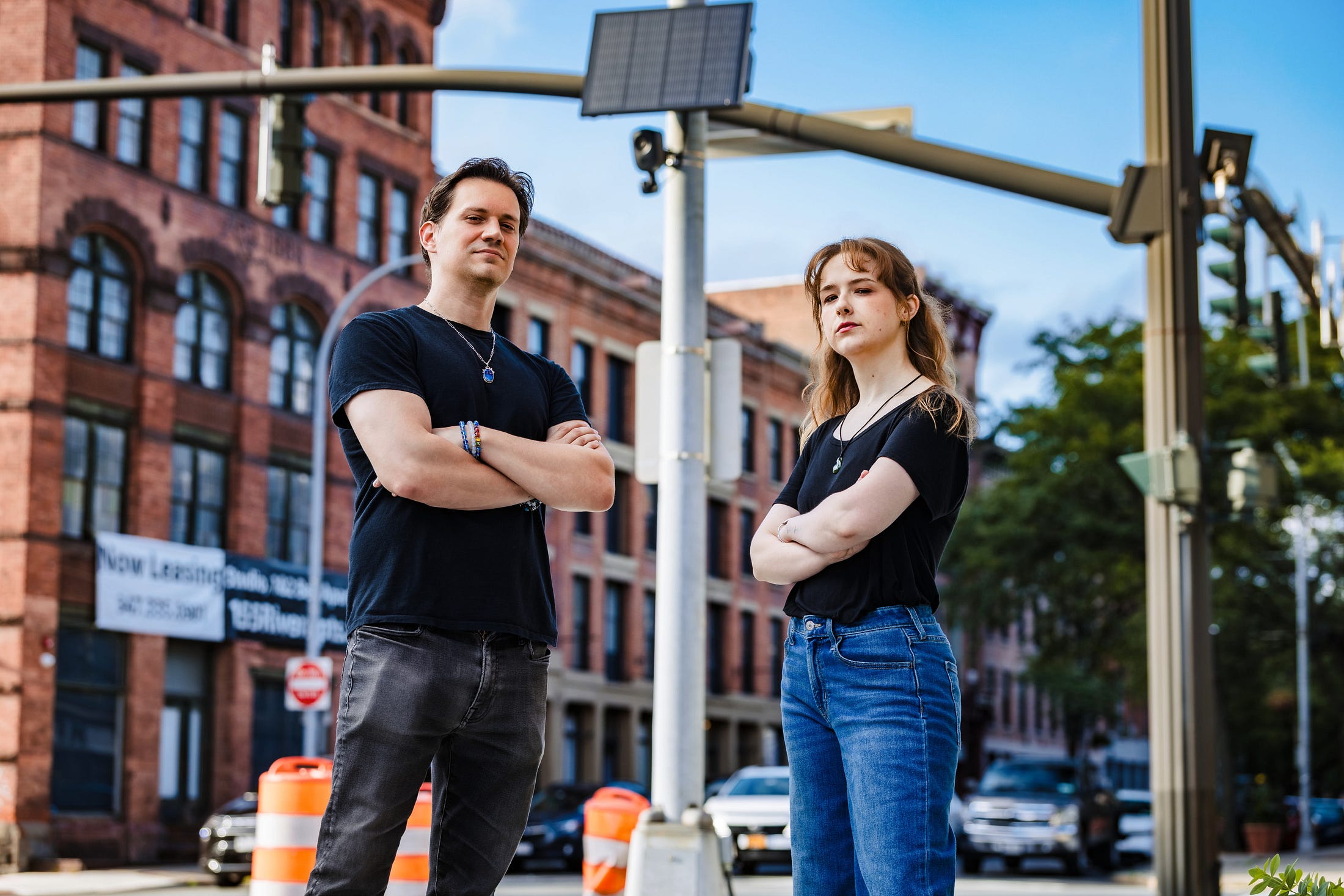
Move over, data centers. There’s a new third rail uniting the populist left and the don’t-tread-on-me right. It’s called the Flock camera, and it’s reading your license plate to assist with local law enforcement efforts.
Depending on your politics, the cameras are either making streets safer, or building a high-tech surveillance apparatus whose growing power is ripe for abuse. There is evidence to support both of these claims. Flock cameras have already stopped or helped solve more than 700 crimes—including 79 homicides. But the tool is not without its dangers. Police officers have been charged with or accused of illegally using Flock cameras to stalk their ex-girlfriends. And in 2023, two New Mexico women were arrested at gunpoint after a Flock camera mistook a 2 on their vehicle’s license plate for a 7.
To make sense of the war over Flock, River Page traveled to Troy, New York, a town of about 50,000 residents, where locals are fighting over a law that would restrict how Flock’s camera data can be stored and used. The mayor, who opposes the bill, sees it as a thinly veiled “pro-crime” effort to defund the police. Other residents claim they’re being spied on and have resolved to “get rid of Flock through policy or force.”
Flock, River writes, has become a totem of what these residents—and many other Americans—view as “a ruthless, anti-democratic tech industry dead set on remaking the world for its benefit by forcing AI and mass surveillance down everyone’s throats.”
In his dispatch today, River delivers the full picture. It’s a complicated story about trust and the tug of war between a politics that won’t tolerate injustice and one that won’t tolerate disorder. How much crime are we willing to endure in the name of privacy? Or, put differently, how much freedom are we willing to give up in the name of safety?
—Josh Code
 |
In Iran, Trump Is Watching Two Ticking Clocks
For all the ink spilled over the Iran war, only two numbers truly matter, says Aaron MacLean. For one, there’s the outflow of oil through the Strait of Hormuz—which may actually be greater than we think, allowing gas prices to stabilize while Trump turns up the heat on Iran. But the second number is a countdown to January 3, 2027, when a new U.S. Congress takes office—likely a much more Democratic one—and begins to make it much harder for Trump to keep fighting. Read Aaron’s latest column on the crucial numbers squeezing Trump, and whether or not he can bring Iran to its knees before time runs out.
And don’t miss Aaron’s podcast today, School of War, with Pennsylvania senator Dave McCormick on why the right needs a better answer to socialism, lessons in modern warfare from his recent closed-door meeting with Ukraine president Volodymyr Zelensky, and why he regrets his 2002 LA Times op-ed supporting the Iraq War: “I was completely wrong.”


 |
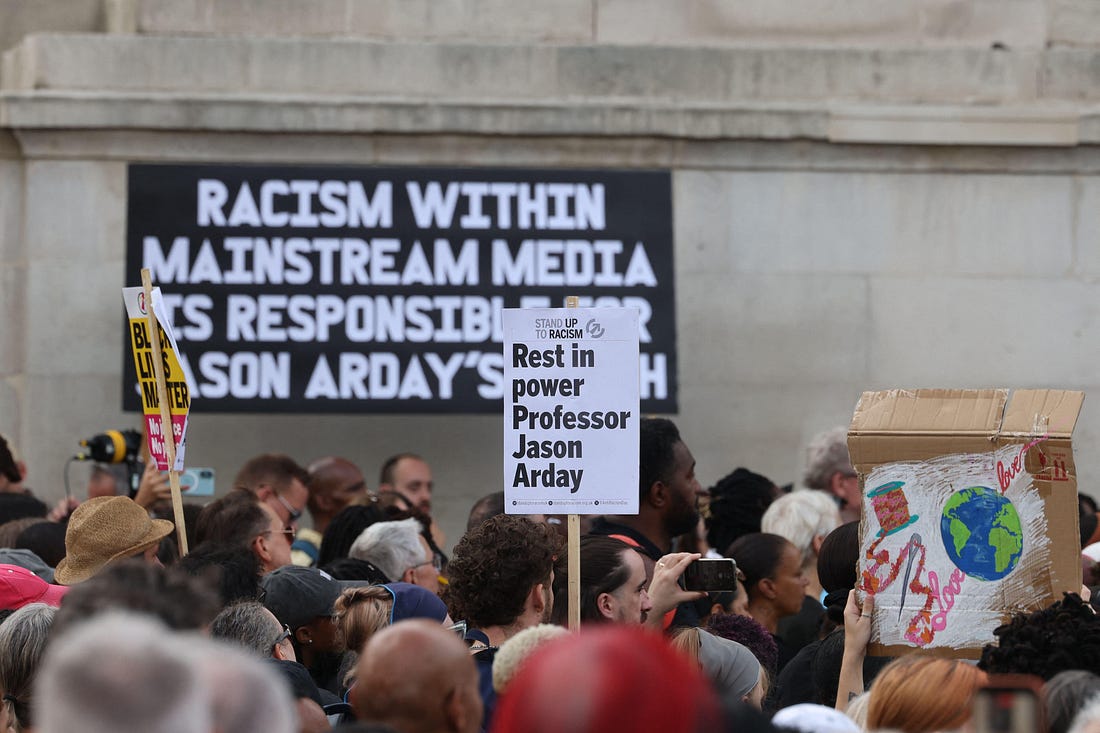
Coleman Hughes: Why the Left Needed to Believe in Jason Arday | |||||
 | |||||
|
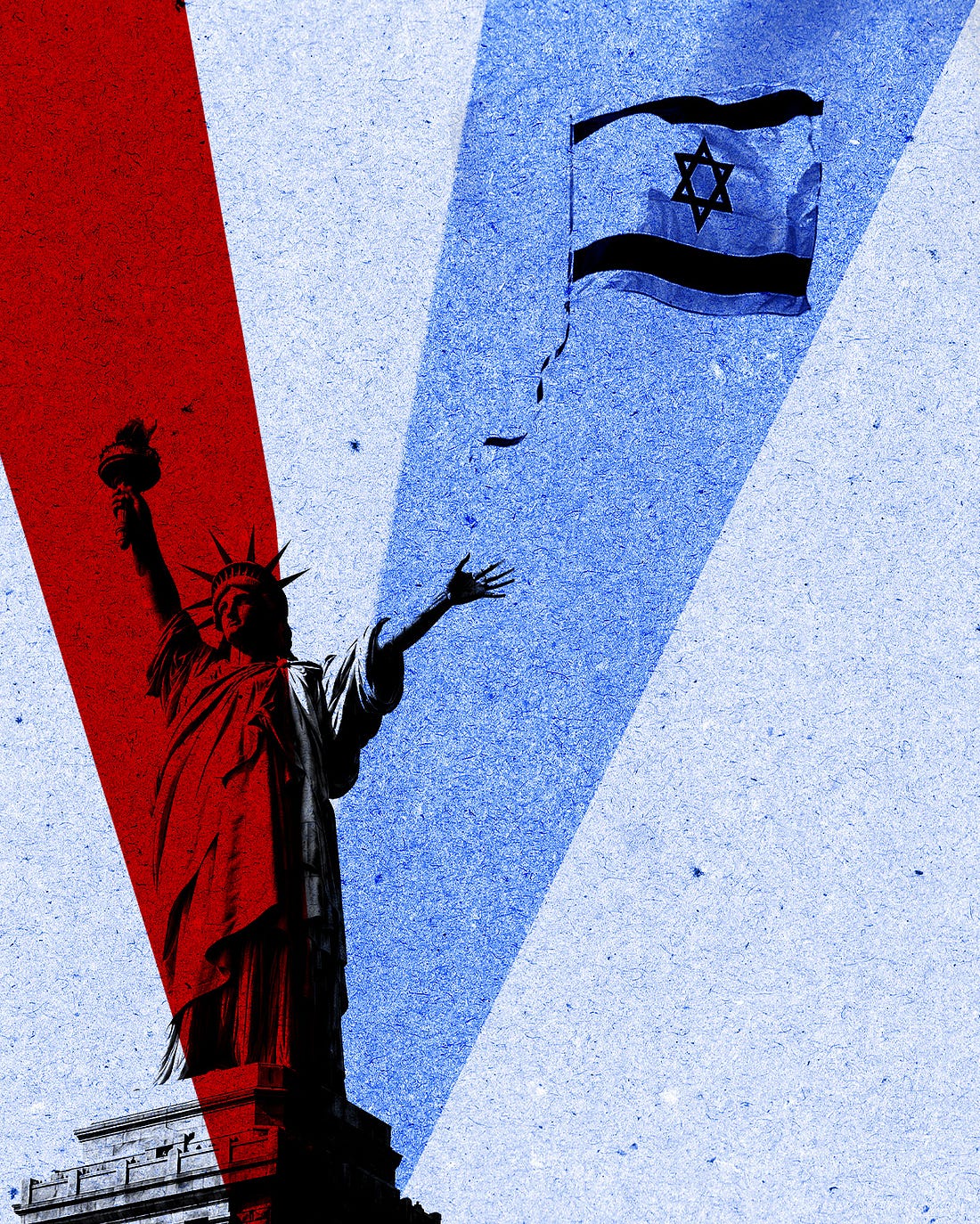
The Not-So-Special Relationship | |||||
 | |||||
|