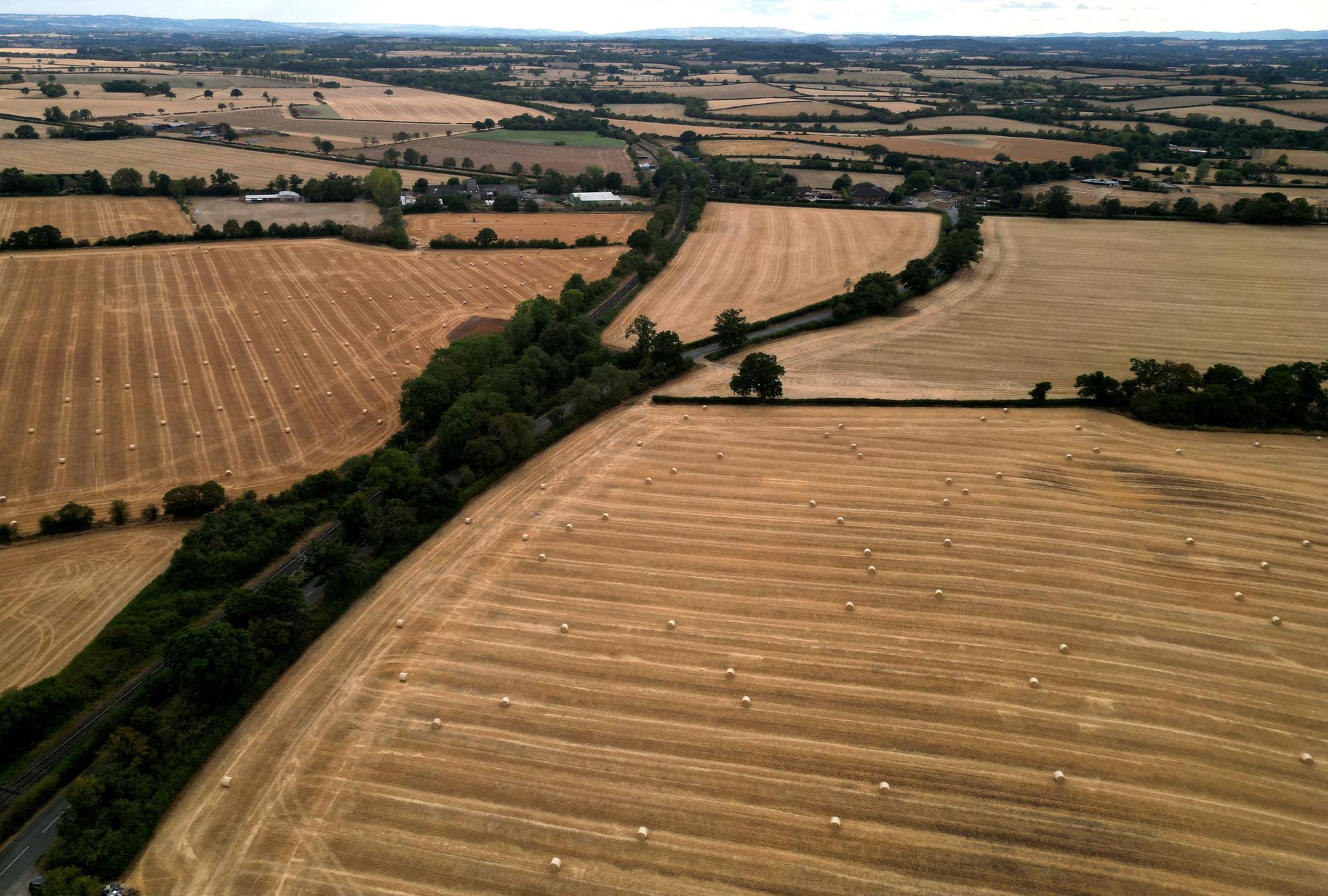
Global forecasters say the weather pattern is strengthening.

Track ESG trends, corporate action, and investment shifts in sustainable finance. Subscribe to Reuters.com for $1/week.


Sustainable Finance

Sustainable Finance

By Sharon Kimathi, Energy & ESG Editor, Reuters 

Hello, it’s Energy and environment, social and governance (ESG) editor Sharon Kimathi here, filling in for Ross Kerber.

Usually, I focus on the immediate impacts of climate change on our lives, filling in my Sustainable Switch readers on topics ranging from rising temperatures, droughts and worsening wildfires to earthquakes and floods. Click here to subscribe.

For this newsletter, I focus on how climate events affect food supply chains. Global forecasters say an El Niño weather pattern is strengthening, which poses a risk to crops around the world.

The El Niño phenomenon, caused by unusually warm waters in the Pacific Ocean, naturally occurs every two to seven years. It can cause more rainfall in certain areas or drought in others, which has a real impact on businesses, communities, and people's lives.

This El Niño has been forcing businesses and companies around the world to review their resilience and risk planning for factories, supply chains or general operations. Click here to watch a video and read an analysis by Reuters sustainable finance correspondent Simon Jessop.

Feel free to follow me on LinkedIn here if you like what you read.

Latest Headlines

  • TJ Maxx, Marshalls 'self-inflicted' slowdown clouds TJX earnings beat
  • Skoda CEO says VW aims to finalise India partner this year to share risk, drive growth
  • SK Hynix plans $28.6 billion buyback after share price declines
  • SK Hynix union finalising preliminary wage deal, source says
  • UK employers raise pay by least in 10 months, Brightmine says


Hay bales on parched land as near-drought conditions continue in many parts of Britain, Langley in Stratford-on-Avon, Britain. REUTERS/Hannah McKay

'Climate can no longer be treated as an external variable'

Global forecasters say an El Niño weather pattern is strengthening and could develop into a "very strong" event that boosts temperatures, disrupts rainfall and poses risks to crops the world over. Click here for the full story on which crops will be hit hardest.

I spoke to Felippe Reis, global geo-analytics and Earth-observation company crop analyst at EarthDaily, who shared his thoughts on the areas around the world he saw being the most affected and what this means for crops.

“Overall, Australia and southern Brazil are currently the areas where we see some of the clearest emerging risks associated with the developing El Niño pattern, although for opposite reasons: increasing dryness in Australia and excessive rainfall in Brazil’s wheat belt,” said Reis.

Reis said the next few weeks will be key as several crops move into more weather-sensitive stages, giving a clearer indication of whether current weather signals begin translating into measurable impacts on yields and grain quality.

I also spoke to Jonathan Colehower, managing director of supply chain practice at global IT solutions firm UST, about the impact climate events have on food supply chains and risk assessments.

He said mounting climate events have already disrupted food supply chains and will continue to do so, driving higher prices and scarcity as farmers try to produce more weather-resistant products. 

"El Niño compounds this,” said Colehower, adding that “forecasters predict strong intensity by winter, which will likely arrive when supply chains are already stressed by tariff-driven sourcing disruptions, Strait of Hormuz shipping restrictions, and elevated fertilizer costs.”

"Climate can no longer be treated as an external variable managed after the fact. By the time a weather event makes the news, the window for an orderly supply chain response has already closed," he added.

Keep scrolling for more climate-focused company news and a few data center stories on my radar.

The little reactors that could?


A digital visualization shows the small modular nuclear reactor (SMR) planned by Rolls-Royce in this handout image obtained by Reuters. Rolls-Royce/Handout via REUTERS 


Company news

  • Click here to check out this insightful column by Reuters Global Energy Transition Columnist Gavin Maguire on small modular nuclear reactors which are growing more popular in the U.S. due to rising demand for electricity from artificial intelligence data centers, industrial reshoring, electrification and new manufacturing investments.
  • The president of the Oil Sands Alliance industry group told Reuters that Canada's biggest oil producers are targeting late 2027 for a final investment decision on their proposed 6-million-tonne carbon capture and storage project. Click here to read more about Canada's plan to grow oil production and potentially keep emissions in check.
  • China, the world's top producer of solar power, faces hurdles to its renewable energy buildout as its grid nears its limits. Limitations, or pre-emptive rejection of wind or solar power because a grid reaches capacity, are emerging as a growing challenge to renewables globally, extending reliance on fossil fuels. Click here to read more.
 

On my radar

  • Data center winners: The U.S. data center race has created some winners including manufacturers of cooling systems, electrical transformers, and construction machinery. Makers of everything from wire cables and pipes to cement and the massive prefab metal walls used on the buildings are feeling a tailwind from AI. Click here for the full story.
  • Europe’s data center race: Europe's data center developers have been seeking less-traditional locations away from major cities, where they can benefit from cheaper energy and land and quicker connection times, data analysis seen by Reuters shows. Will this drive investments in underprivileged areas where governments are trying to stimulate jobs and growth, or will it increase the "Not In My Backyard" community uproar? Click here to find out.
  • Pennsylvania data center regulations: Speaking of community backlash against data centers, Pennsylvania Governor Josh Shapiro signed an executive order that would require companies setting up AI data centers in the state to meet environmental and ‌transparency safeguards and secure local community approval for projects. Opposition to ⁠the rapid build-out of data centers has steadily grown across the U.S. Click here for the full story.
 

Sponsors are not involved in the creation of newsletters or other Reuters news content.