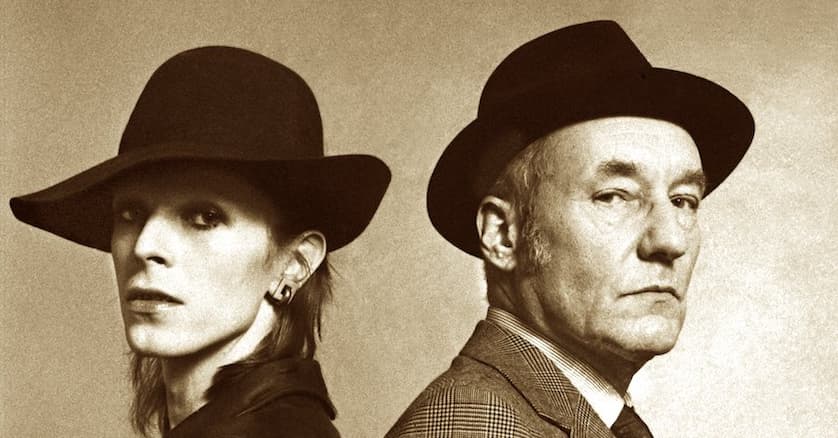
On the afternoon of September 6, 1951, in a friend’s Mexico City apartment, a drunk William S. Burroughs pulled out his handgun and (supposedly) said to his wife, Joan Vollmer, “It’s time for our William Tell act.” Vollmer (supposedly) laughed and placed a drinking glass on top of her head. Burroughs, known to be an expert shot, fired his gun, but missed the glass and instead shot Vollmer in the head, killing her. She was 28.
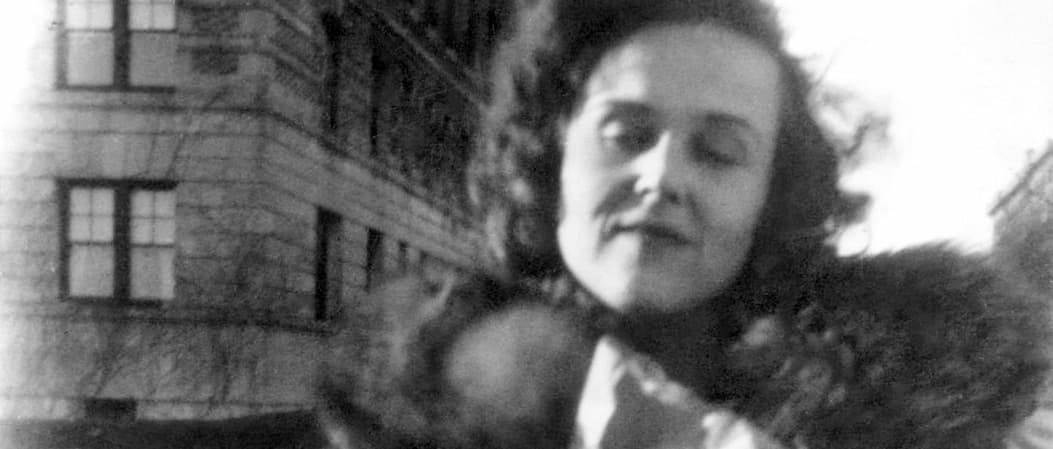
Before her death, Vollmer had been an influential member of the Beat Generation; the apartment she shared with Edie Parker was a favored gathering place for Burroughs and his friends, including Jack Kerouac (who Edie would later marry), Allen Ginsberg, and Lucien Carr. “Brilliant and well versed in philosophy and literature, Joan was the whetstone against which the main Beat writers—Allen, Jack, and Bill—sharpened their intellect,” wrote Brenda Knight in The Women of the Beat Generation. “Widely considered one of the most perceptive people in the group, her strong mind and independent nature helped bulldoze the Beats toward a new sensibility.”
Then she was gone. Burroughs was arrested and held on murder charges for two weeks; he later (after speaking to a lawyer) changed his story, as he would several times, telling a judge that his gun had misfired. He was convicted of criminal negligence and served little time in jail. The details remain unproveable, and reports of the event vary, even from the few eyewitnesses, but the legend has remained. If you know one thing about Burroughs, you probably know this.
Later, in his introduction to Queer, Burroughs wrote: “I am forced to the appalling conclusion that I would never have become a writer but for Joan’s death, and to a realization of the extent to which this event has motivated and formulated my writing.” He added, “I live with the constant threat of possession, and a constant need to escape from possession, from Control. So the death of Joan brought me in contact with the invader, the Ugly Spirit, and maneuvered me into a lifelong struggle, in which I have had no choice except to write my way out.”