The Week in Breakingviews |
|
| |
|
The Week in Breakingviews |
|
| |
|
Insights from Reuters global financial commentary team |
|
|
|
By Peter Thal Larsen, Global Editor |
|
|
|
Welcome back! The oil price is above $100 again, and the yield on 10-year U.S. government bonds is nearing 5%. When and where do higher inflation and interest rates begin to bite? Email me with your thoughts. If this newsletter was forwarded to you, sign up here to get it in your inbox every weekend.
Note: Links in this newsletter require a Breakingviews subscription. Subscribe here for you or your team to get full access. |
|
|
Five things I learned from Breakingviews this week |
|
|
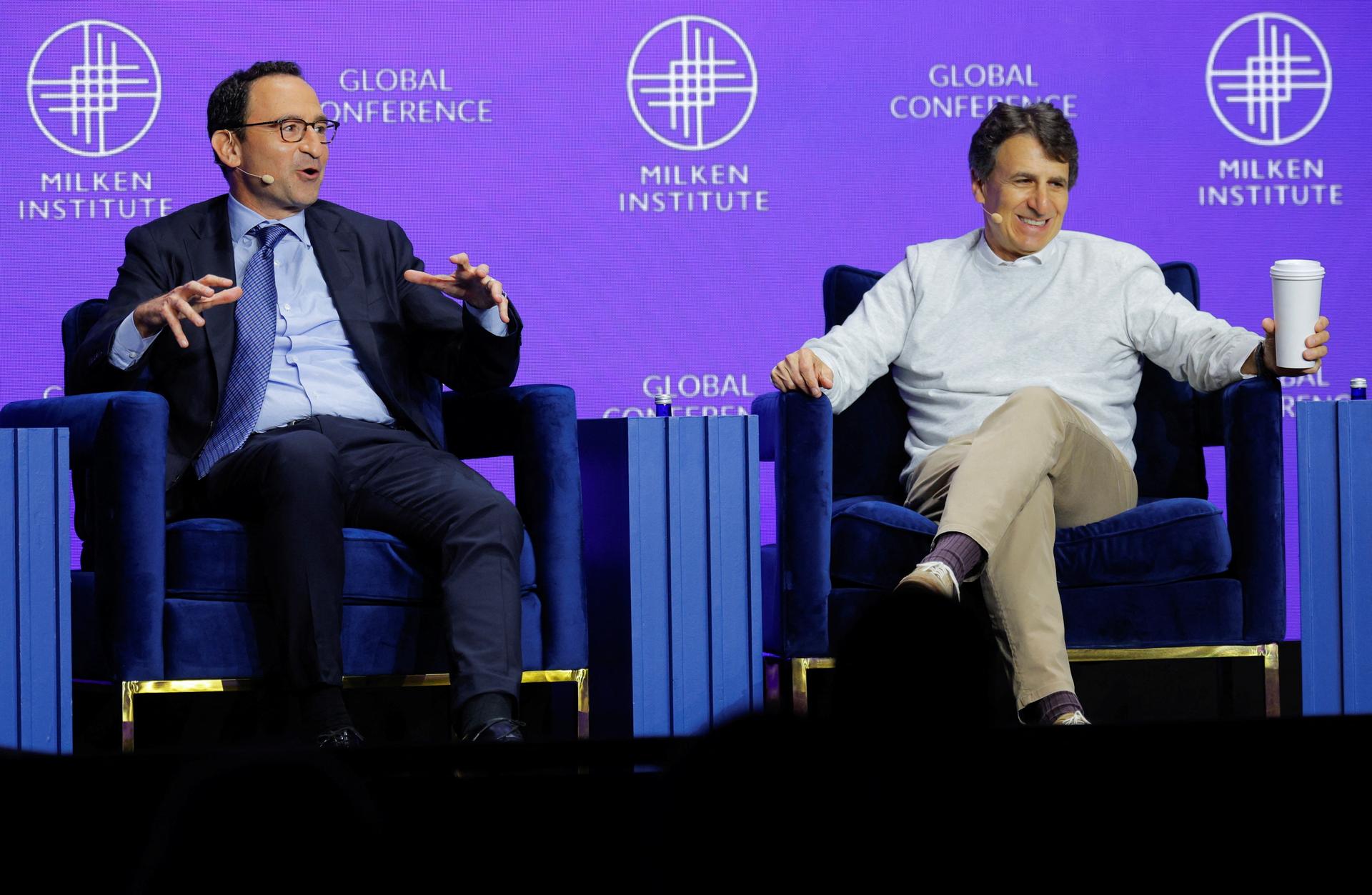
| Blackstone President and Chief Operating Officer Jonathan Gray and Apollo CEO Marc Rowan attend the Milken Institute Global Conference 2025 in Beverly Hills, California, U.S., May 5, 2025. REUTERS/Mike Blake |
The term “Wall Street” still tends to evoke images of investment bankers in expensive suits and traders yelling into phones. That snapshot is seriously out of date, though. In recent years a new batch of upstart institutions have elbowed their way into the territory previously patrolled by big banks. A new book sheds fresh light on one of them: Apollo Global Management.
The outlines of Apollo’s story are well known. Founded by former executives of Drexel Burnham Lambert, the junk bond pioneer which collapsed in 1990, it dabbled in private equity and distressed debt before expanding into other forms of lending. Its growth has been largely fueled by a captive insurance unit, Athene, which steers cash from annuities and other products into Apollo’s private bonds and loans. Under Marc Rowan, who replaced Leon Black as CEO in 2021, assets under management have swelled to more than $1 trillion.
William D. Cohan’s “Money To Burn: The Unvarnished Truth about Leon Black, Apollo, and the Rise of a New Wall Street” sheds fresh light on the human drama behind Apollo’s ascent, from the firm’s scrappy origins to Black’s relationship with the convicted sex offender Jeffrey Epstein. It’s arguably the first deeply reported history of one of Wall Street’s new shadow banks. (I talked to Bill about his book on The Big View this week. Check out our conversation on YouTube or read the transcript here.)
|
|
|
|
Three observations stand out. The first is how the Drexel wreck shaped Apollo, in part by opening up lucrative investments. The firm’s early financial successes included buying a portfolio of distressed debt from Executive Life, a failed insurance company which had bought many of Drexel’s junk bonds. Apollo paid roughly $3 billion for the securities – about half their face value – pocketing a big profit when values recovered. In doing so, Black somehow steered the firm around a regulatory scandal involving Executive Life which sucked in the French bank Credit Lyonnais.
The second takeaway is how Rowan’s deep knowledge of the insurance industry laid the foundations for the creation of Athene, which has provided much of the financial fuel for Apollo’s push into private credit. Though that model has been widely imitated by others, Rowan’s vision pioneered it.
The jury is still out on the durability of Apollo’s business model, though. Rowan makes a compelling case that matching long-term insurance liabilities with borrowers through private funds is less risky than intermediating the same loans through leveraged banks. Envious bankers, meanwhile, argue Apollo is mimicking Michael Milken, Drexel’s junk bond mastermind, by funnelling risky loans to unsophisticated investors. It will probably take an economic downturn – and perhaps another book – to settle that debate.
|
|
|
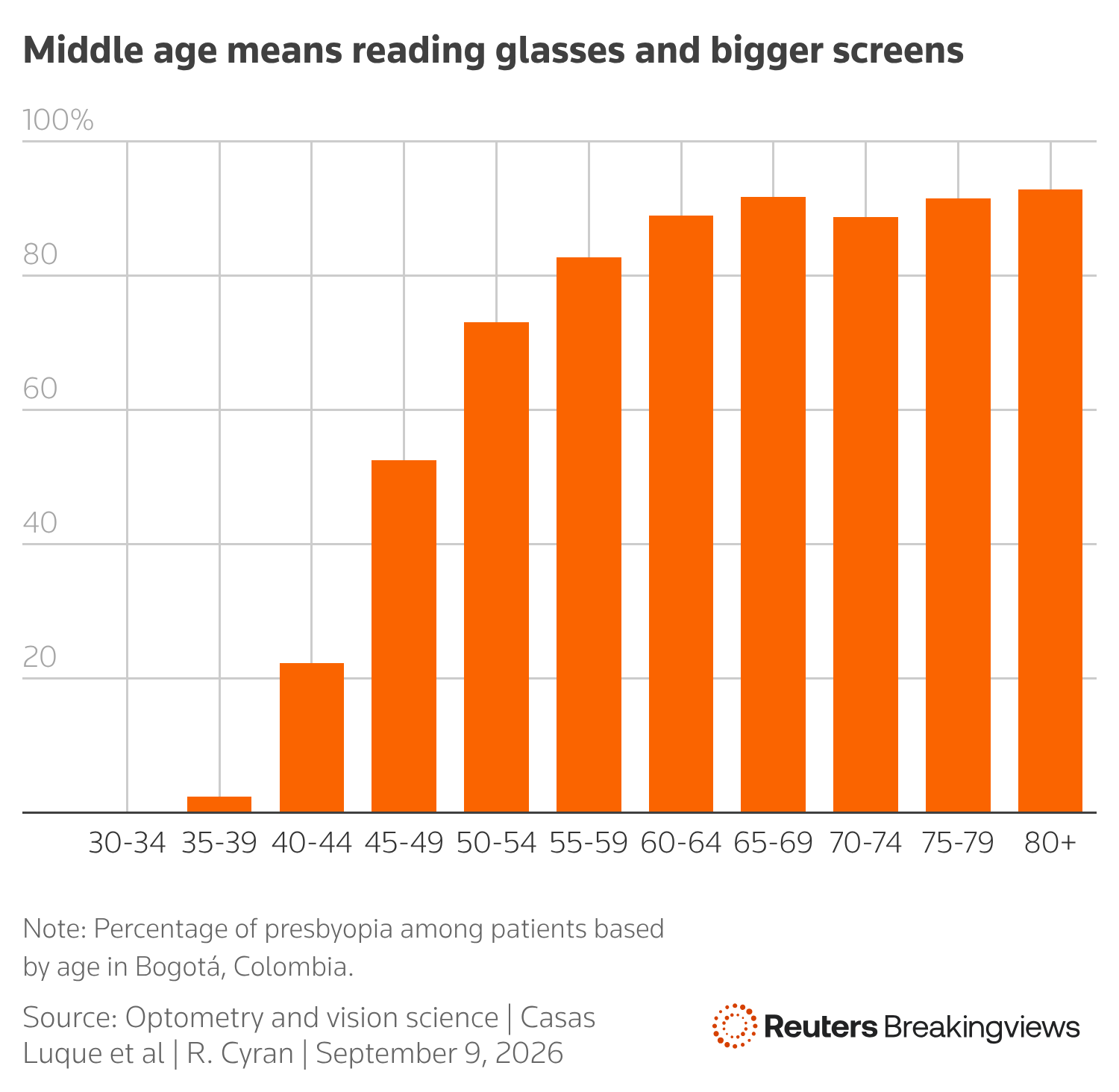
Unless you have been living in a cave for the past week you have probably heard about Apple’s new foldable iPhone. Rivals like Samsung have offered similar products for some time. But Rob Cyran thinks he knows who might want bigger screens: ageing users with deteriorating eyesight. Buying Apple’s new gadget is therefore the modern equivalent of wearing bifocal glasses. Ouch.
|
|
|
|
Nvidia is the undisputed champion of artificial intelligence chips. Now the $5 trillion company is using its vast |
|
|
|
|