Taliban flogging threat; readers share tales of kindness
GLOBAL HEALTH & DEVELOPMENT
editor's note
Adam Williams for NPR
We've learned that a story we published last year on the HIV epidemic in an Indigenous community in Panama has won an Indigenous Media Award.
The story quotes Dr. Orlando Quintero, director of a Panama City-based advocacy group for people living with HIV and AIDS, who calls HIV in that territory "a bomb that's already exploded."
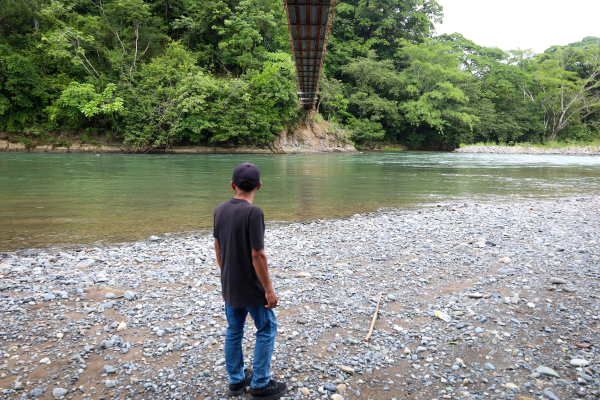
The photograph above shows one of the Indigenous people profiled in the story: "Joti, a young man who lives in Panama's Ngäbe-Buglé territory, was diagnosed with HIV nine years ago. When he told his family, his mother banned him from the family home out of an unfounded fear that his very presence would put others at risk of infection. He asked that he be identified only by his first name to avoid further discrimination in his village for his diagnosis."
Joti is one of hundreds of Indigenous people from that territory who are HIV positive.
Freelance contributor Adam Williams writes about the causes of this outbreak "in a country where HIV medication for prevention and treatment of the virus is offered for free." The reasons include lack of sexual education, the cost of traveling by boat to a clinic for diagnosis and treatment -- and the stigma associated with HIV.
Joti has not let the stigma stop him from seeking help. He takes medication to control the virus and his health is stable. But it's a challenge: "Every three months he travels two hours on foot and by bus to the antiretroviral clinic in San Félix to restock his HIV medication."
The story covers the effort by healthcare professionals and Indigenous leaders to encourage others to overcome the stigma of HIV even in the face of family discrimination.
The Indigenous Journalists Association, which gives these awards, wrote: "Thank you for the incredible work you do telling Indigenous stories -- we're proud to recognize it."
'I've never seen anything like this' — A U.S. doctor treats Ebola's youngest victims
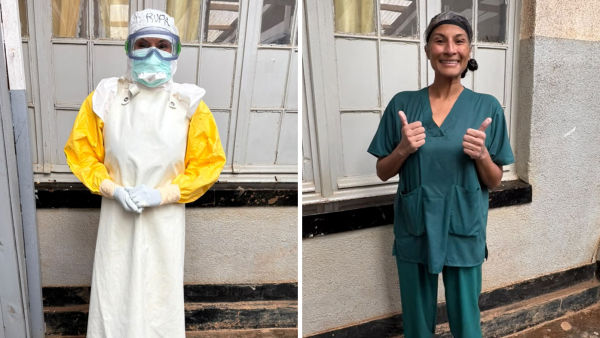
Dr. Rupa Narra is a U.S. pediatrician who arrived in the Democratic Republic of Congo to help care for children infected with Ebola. She and her colleagues are limited to about an hour at a time with patients in the unit due to the difficulty and risks of working in protective gear. She's pictured above, at left, in that garb -- and then after leaving the unit.
whatever happened to ...
Laura Gao for NPR
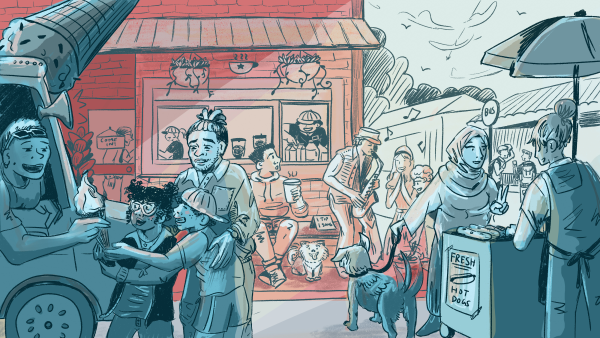
Here are the latest entries in our "Whatever happened to ..." series, following up on past global health and development stories:
You received this message because you're subscribed to Global Health emails. This email was sent by National Public Radio, Inc., 1111 North Capitol Street NE, Washington, DC 20002