What matters in U.S. and global markets today

Start the day with Reuters on the stories moving U.S. and global markets. Subscribe for $1/week.


Morning Bid U.S.

Morning Bid U.S.

A Reuters Open Interest newsletter

What matters in U.S. and global markets today


By Mike Dolan, Editor-at-Large, Finance & Markets

Markets now assume that the Federal Reserve will lift interest rates on Wednesday, as another surge in oil prices kicks off the week after more attacks and disruption in the Middle East.

For futures markets at least, there was little in last week's inflation report to assure the increasingly hawkish central bank that its 2% target will be met any time soon.

I'll get into that and more below.

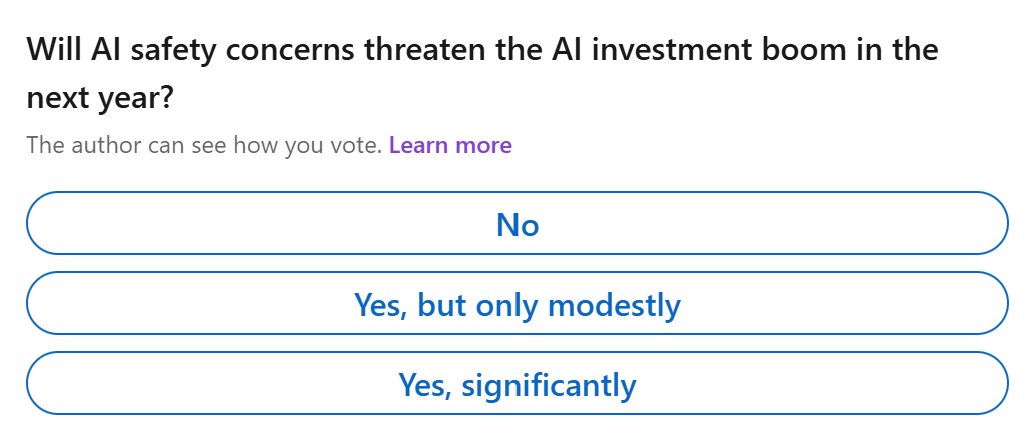
But first, give us your thoughts on how a safety-led AI slowdown could impact the AI investment boom by answering ROI's latest poll.

And listen to the latest episode of the Morning Bid daily podcast, where we discuss AI safety warnings, surging oil prices and the prospect of a Fed rate hike this week.

Subscribe to hear Reuters journalists discuss the biggest news in markets and finance.


Data refreshes every time you open this email. For more U.S. market news, click here. Please send any feedback to morningbid@thomsonreuters.com.


Today's Market Minute

  • The Houthi capture of Yemen's Red Sea coastline is strengthening Iran's hand and confronting Saudi Arabia and its neighbours with a difficult choice: absorb mounting costs or seek accommodation with Tehran.
  • AI-connected stocks fell sharply on Monday after the CEOs of the U.S. companies developing the most advanced AI models warned the pace of ‌development must slow to prevent threats to humanity.
  • U.S. President Donald Trump on Sunday likened critics of AI to "very negative forces" bringing up ‌scenarios that will not happen, and said he wanted to make sure that the U.S. remains the industry leader.
  • The widening of the Mideast conflict and drone strikes on a critical Saudi oil pipeline suggest the Iran war is no longer a short-lived energy supply shock, but a prolonged, unpredictable test of global economic endurance, argues ROI Energy Columnist Ron Bousso.
  • Could rising borrowing costs be a threat to U.S. democracy? Panmure Liberum's Joachim Klement discusses.
 

Go slow AI

Rising energy prices are important, but underlying pressures in service sector prices and elsewhere are just as concerning. For markets, the question is not so much whether the Fed will raise rates this week, but how much more it will tighten after that.

The Fed's quarterly economic and rates projections will inform that significantly. As it stands, up to four hikes are now priced into the futures strip.

Brent crude oil, meantime, surged again to more than $108 per barrel on Monday after a weekend of fighting in the Middle East. As well as more ships being targeted in the Gulf, the weekend saw the temporary closure of Saudi Arabia's East-West pipeline, potentially threatening up to 4% of global crude supply.

What's more, Monday's scheduled talks between Tehran and other Gulf governments on managing the Strait of Hormuz have been postponed.

Otherwise, the weekend's headlines revolved around calls to "go slow" on the breakneck speed of AI development after several apocalyptic warnings from industry employees last week on potential threats to humanity.

Most immediately, OpenAI boss Sam Altman said the firm would likely delay its long-awaited IPO to 2027, describing the prospect of going public this year as "ill-advised".

However, U.S. President Donald Trump dismissed the warnings as outlandish, while state-backed Chinese media described an essay by Anthropic's Dario Amodei, calling for an AI slowdown, as a "Cold War playbook" targeting China.

In equities, AI-linked stocks fell on Monday amid the safety warnings, with Nasdaq futures in the red before the bell and Asian shares closing lower, led by falls in big chipmakers.


Weekly poll