It’s not clear what impact the pledges by Anthropic and OpenAI to slow the pace of AI development will have on their upcoming public offerings. But the comments are having real effects already: more people outside Silicon Valley and Washington are now alert to potential risks from AI in a way they weren’t even very recently. That’s not great news for startups trying to convince consumers and businesses that the tech is worth it, some investors told me. One venture capitalist, for example, told me about a startup that has recently found customers to be more wary of buying its AI app for small- and medium-sized businesses in the light of news stories about potentially catastrophic AI.
Join The Information for AI Agenda Live on Wednesday, September 23, at SFMOMA. We’re bringing together the industry’s most influential researchers, founders, and investors to preview the next wave of innovation—from breakthroughs in continual learning models to the latest bleeding-edge applications.Learn more here.
Welcome back!
It’s not clear what impact the pledges by Anthropic and OpenAI to slow the pace of AI development will have on their upcoming public offerings. But the comments are having real effects already: more people outside Silicon Valley and Washington are now alert to potential risks from AI in a way they weren’t even very recently. That’s not great news for startups trying to convince consumers and businesses that the tech is worth it, some investors told me.
One venture capitalist, for example, told me about a startup that has recently found customers to be more wary of buying its AI app for small- and medium-sized businesses in the light of news stories about potentially catastrophic AI.
That investor also thinks that potential government regulation or self-monitoring may favor the biggest startups, which have the financial resources, tools and employees to make sure their AI isn’t about to wreak havoc. Already the biggest labs are discussing collaboration to create a standards body for the AI industry, as my colleague Leo reported over the weekend. Representatives from Anthropic, OpenAI and Google have been meeting regularly since July about potentially forming an AI safety standards body, OpenAI’s global policy chief Chris Lehane confirmed Tuesday.
On the other hand, one investor in early-stage software companies thinks the scrutiny on the frontier labs will be a boon to startups building tech that uses or supports the models. Expect VCs to flock to tech that improves model security or infrastructure, he added.
We’re already reported on several such funding rounds. These include Gimlet Labs, which routes AI work across the right kind of chips for the task at hand, and which raised three tranches of funding recently. Security startup Neo, which aims to protect devices from threats potentially posed by AI agents, raised $100 million from Andreessen Horowitz, Bessemer Venture Partners and others in July.
Meanwhile, another investor who has backed several applied AI startups said that frontier model pacing could buy app-layer startups time to make their tech better. If the labs are slowing down their rate of research and development, the investor said, perhaps an app company focused on a specific task or project can take advantage of the lull to make swift advancements. That could be a plus for apps like AI agent startup Instinct, which is looking to raise $1 billion in new funding as it competes with deep-pocketed rivals like Meta.
Today on TITV
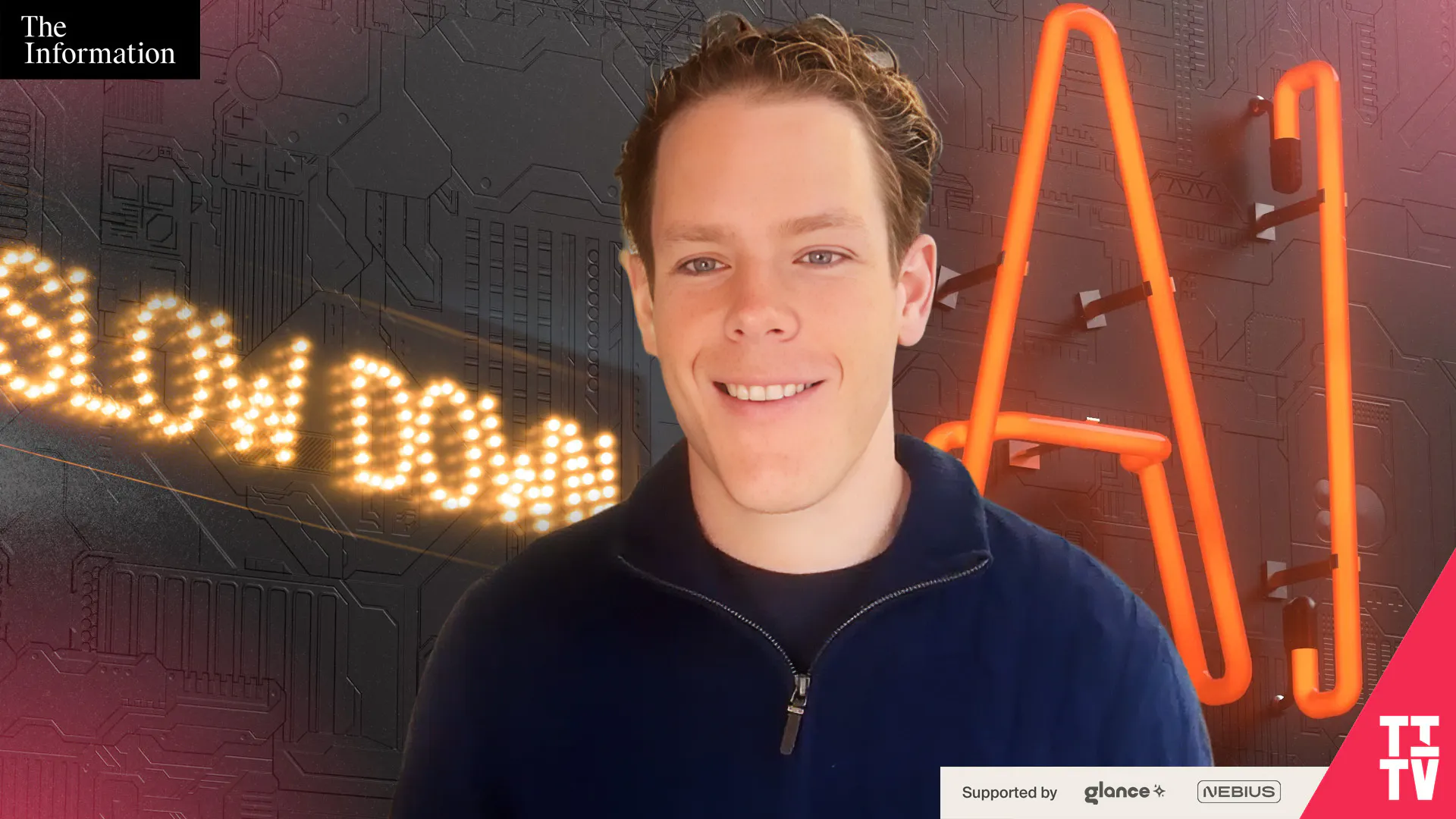
Check out today's episode of TITV in which we speak with the CEO of Handshake about his perspective on moderating AI development.
Every week, our reporters examine and break news on AI companies' compute plans, data center development and chip strategies. Subscribe toAI Infrastructure.
Discover tech’s true power players. Tune in for this exclusive live discussion with our newsroom as we break down our inaugural list of the 50 most influential figures.
AI Agenda Live is happening next week. Join Google DeepMind, OpenAI, NVIDIA, and more to explore AI’s next era. Tickets are limited—reserve yours today.
The Information's WTF Summit returns to Napa Valley October 27–28, bringing together the women shaping tech, media and finance. Confirmed speakers include Whitney Wolfe Herd (Bumble), Anne Wojcicki (23andMe Research Institute) and Kim Posnett (Goldman Sachs), with more to come. Expect candid conversations and a room built for meaningful exchange. Tickets are selling fast, with the next price increase coming soon.