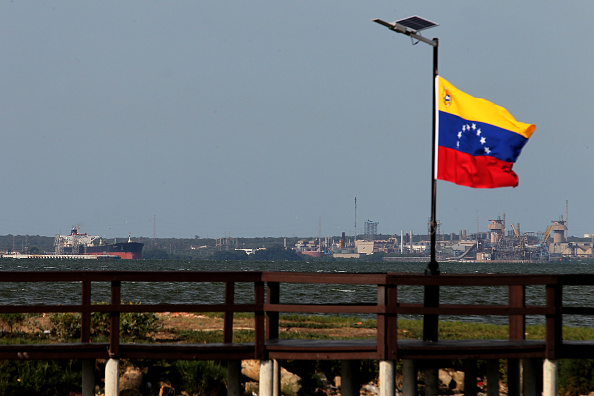
For US oil majors, Venezuela went from “uninvestible” to investable in nine months.
On 3 January, the US captured then-Venezuelan President Nicolás Maduro in a military operation in Caracas. He is now in a Brooklyn jail where he faces drug trafficking charges. President Trump said the US would "run" and Venezuela moving forward and “fix oil infrastructure.”
At the time, Exxon CEO Darren Woods said at a televised White House meeting that Venezuela was “uninvestible.” US oil majors were not initially eager to jump back into Venezuela, where several of them say the government still owes them billions of dollars for seizing their assets after nationalizing the oil industry in 2007. A lot has changed since then.
Last month, the White House announced a deal in which the US gets majority control of more than 65 billion barrels of proven oil reserves in Venezuela.
On September 2, Chevron said its joint venture partnerships in Venezuela would invest more than $7 billion to more than double oil output to 600,000 barrels per day over the next five years. (Chevron, notably, said it received the right to international arbitration as part of its new contract terms, which would protect it if it has another dispute with the government.)
In a euphemism-packed statement titled “a turning point for Venezuela,” Chevron said: “For years, regulatory uncertainty and restrictive investment terms made many projects difficult to justify, leaving significant resources undeveloped. Chevron believes that recent reforms and updated agreements have changed that equation, creating a stronger foundation for investment in a region where the company has operated for more than a century.”
Last week, Continental Resources signed a preliminary deal with Venezuela’s state-owned oil company to explore one of the country’s biggest oil fields. The company is led by Harold Hamm, a Trump ally.
More will likely follow: ExxonMobil is close to a deal to invest in Venezuelan oil fields after more than two decades away from the country, the Wall Street Journal and Reuters reported last week.