STORIES FROM MOTHER JONES AND ITS PARTNERS |
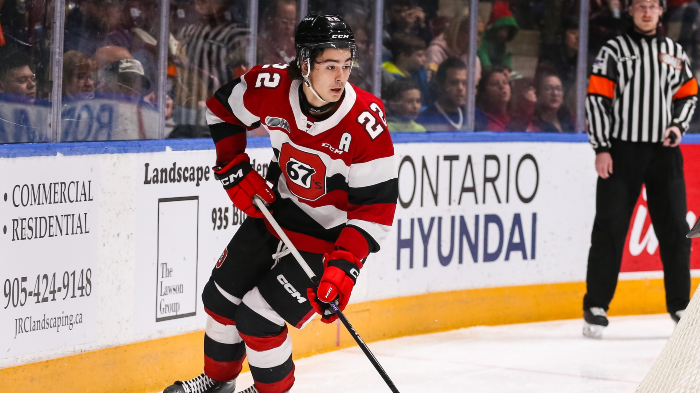
I was only 12 years old in 2001, when the Minnesota Vikings offensive lineman Korey Stringer died of heat stroke during training camp, but the tragedy is somehow seared in my memory. Whenever an athlete experiences heat illness or death, Stringer comes to mind. That’s what happened as I read about National Hockey League prospect Matthew Mayich stumbling and falling during a workout in August.
It was Mayich’s first training with his new team at Arizona State University, led by a former Green Beret. Like Stringer, Mayich collapsed at the end of a workout on a hot day. Also, like Stringer, he wasn’t submerged in cold water—a best practice that has been shown to drastically improve outcomes in such cases. Unlike Stringer, Mayich survived, but his life is forever altered. He remains in critical condition with what his family’s lawyer, Robert Carey, has said is only a miracle chance at a meaningful recovery.
“We want accountability for what happened to our son,” Mayich’s parents, John and Christina, said in a written statement. “We want the truth.”
That will take time. ASU and Mayich’s teammates have given differing accounts of basic details, such as how long the workout lasted—between 45 and 75 minutes—and the extent to which water was available. But I found that these two remarkably similar incidents, almost exactly 25 years apart, already offer insights into the decidedly patchy progress we’ve made in protecting our athletes from the ravages of extreme heat, a problem that is coming to be the norm in this era of global heating.
You can read my story in Grist.
—Tik Root |