Spain’s patriotic bracelets, a traditional Cantonese tea house and stories that you might have missed.
Monday 12/10/26
The Monocle Minute
London Paris Zürich Milan Bangkok Tokyo Toronto

Sponsored by

La Maison Du Whisky

Monocle

Good morning from Midori House. For more news and views, tune in to Monocle Radio. Here’s what’s coming up in today’s Monocle Minute:

THE OPINION: Do Spain’s pulseritas bracelets capture the pulse of the nation?
CULTURE: Alejandro González Iñárritu’s new film is digging itself into a box-office hole
DAILY TREAT: Dine at a historic Cantonese tea house in Hong Kong
THE LIST: Stories that you might have missed


The Opinion: culture

For some, today’s national holiday is a bright display of Spanish pride. For others, it’s something darker

By Liam Aldous
By Liam Aldous

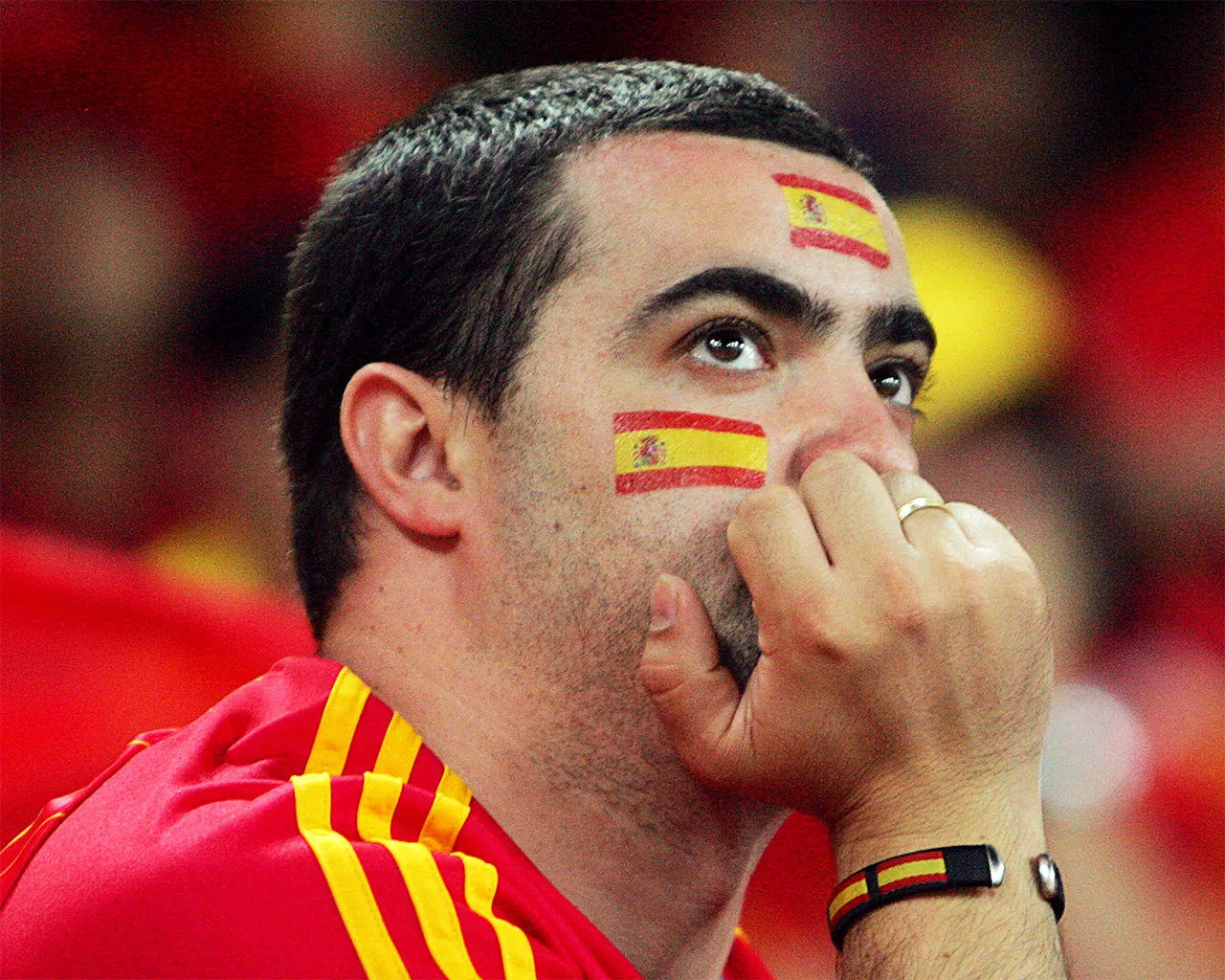
If you’re Spanish, today’s Fiesta Nacional de España celebrations might be defined by how you feel about the national flag – or your willingness to wear a nifty red-and-yellow bracelet. A brief history lesson before we start accessorising: while the holiday is meant to be dedicated to national unity, its origin has become a point of contention thanks to Cristóbal Colón (Christopher Columbus), whose arrival in the Caribbean on 12 October was christened Hispanic Day. But the holiday’s imperialist roots are only part of the debate.  
 
Brash displays of nationalism have long been a touchy subject for Spain. In the years that followed the end of the Franco dictatorship, flag waving and other displays of red-and-yellow nationalism were mainly left to former regime apologists. For many, the flag remains a right-wing relic. The event’s centrepiece is a military parade overseen by the royal family and government officials, which predictably causes polarised fervour from the sidelines. But this is no ordinary year: Spain is in the early stages of a heated election campaign. 

 
Brace yourself: Spain faces a political reckoning

Not everyone who loves España, however, needs to be lumped in with a clan of ancient extremists. Enter the pulsera de España – or the diminutive pulserita – which has, since the 1990s, established itself as the ultimate sartorial signifier. What do wearers of these red-and-yellow bracelets want you to know? Any sweeping interpretation is admittedly highly subjective and probably reductive. But the basic message is that they love their country, that their country is the best and that they are protagonists in their country’s success story. You know, that standard patriotic schtick.
 
Most of those who sport hints of patriotism around their wrists are conservative but not extremist. For many, it’s a material expression of moderate love, though the rise of Spain’s far-right party, Vox, has been recolouring the political conversation. The party’s penchant for overstated exhibitions of old-hat nationalism has meant that wrapping the country’s colours around any part of your body has once again become politically charged. In the current climate, brandishing one of these bracelets, however subtle, is now a way of thumping your chest about the parts of the country that you love, while raising your clenched fist at the parts – or people – you don’t.
 
Even in sport – one of the few battlegrounds where euphoric flag waving is permissible – not everyone is singing from the same hymn sheet. If you watched last summer’s Fifa World Cup, you might have wondered why Spanish players stood tight-lipped before each match. This wasn’t a silent protest or a collective spell of amnesia. Spain’s national anthem remains lyric-free simply because the country’s 17 regions haven’t reached a consensus on a unifying verse. 
 
Ahead of the country’s November elections, various versions of España are being tabled, exaggerated, argued over, compared or cautioned about. Some of these national visions are simplified portraits of a past that never really existed, while others attempt to stride towards a future that reconciles the country’s complex present. Everyone can probably agree that they want the best for their nation but they just have different ways of showing it.
 
Spain’s fraught relationship with its pulseritas suggests that the country has a lot of work to do. But as a fashion choice, these little bracelets are still a more prudent alternative to other national-dress choices. Perhaps all Spaniards can agree that wearing the flag as a cape is a thread too far. 
 
Liam Aldous is Monocle’s Madrid correspondent. For more opinion, analysis and insight, subscribe to Monocle today.


Spain’s summer of protest is the political lifeline that could save Pedro Sánchez

Read more


La Maison du Whisky unveils its new collection

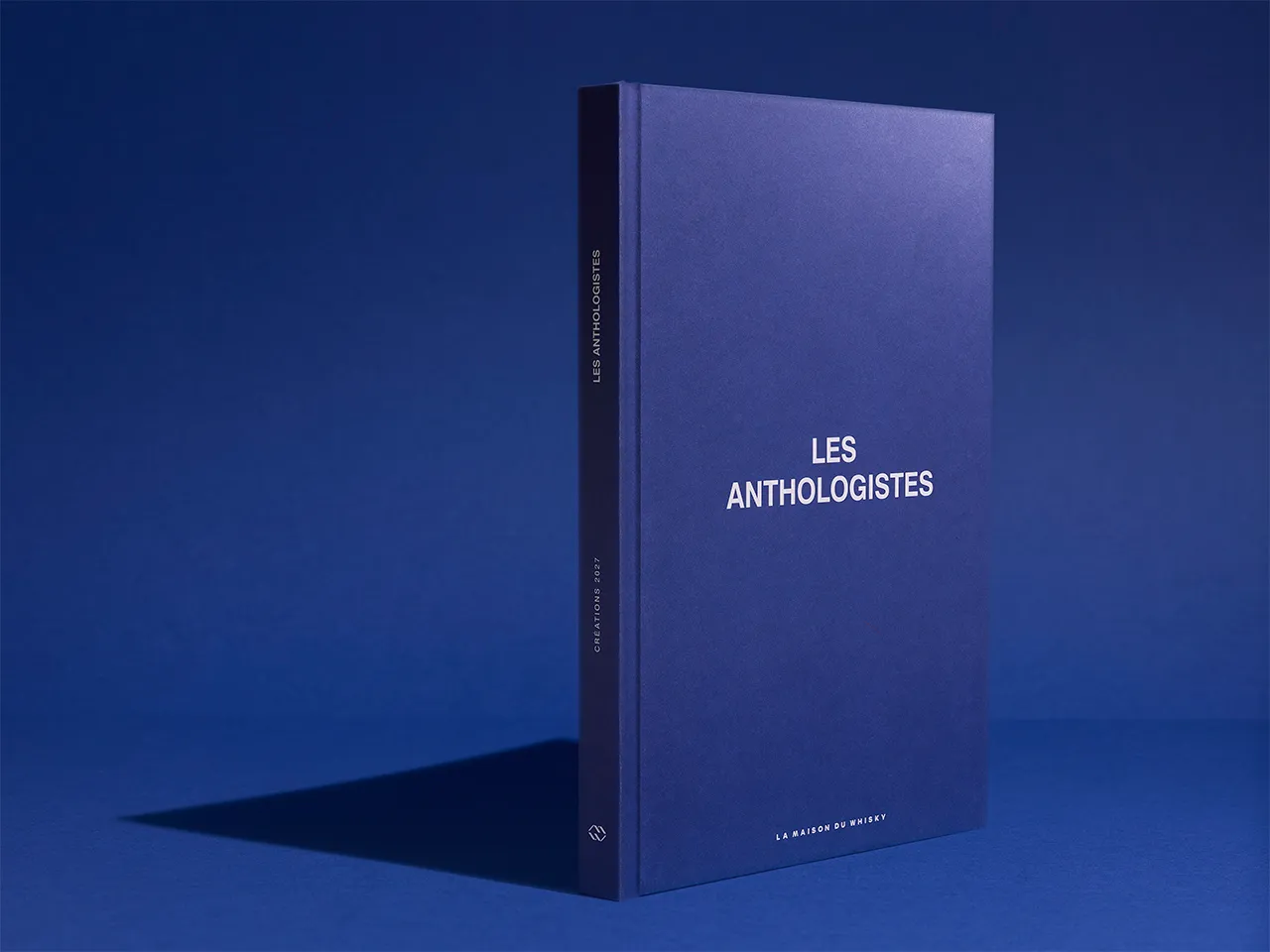
For 70 years, La Maison du Whisky has forged relationships with distilleries and independent bottlers. With The Anthologists, its 2027 Creations Collection, it reaffirms its role as a curator, celebrating creativity and innovation in the world of spirit makers.

Discover the collection

Sponsored by La Maison du Whisky


The Briefings

CULTURE: USA

Even the biggest film flops can succeed somewhere – it’s all about the audience

Alejandro González Iñárritu’s new film, Digger, has been critically panned all over the world (writes Michael Booth). The Boston Globe gave it 0 stars; The Guardian called it "shallow, laborious” and “the most disappointing film of the year”. So far, it is also a commercial disaster: having cost more than $250m (€223m) to make and market, it only took $8m (€7.1m) domestically during its first week in cinemas. Some are predicting that it will be the greatest flop of all time.

 
Too big to fail? Alejandro González Iñárritu’s latest film divides opinion

This must be prompting some reflection for the Mexican director whose previous films (The Revenant and Birdman) were universally adored by critics, showered with awards and did good business. In contrast, Digger’s star, Tom Cruise, has had to live with the cognitive dissonance of (mostly) scathing reviews versus billion-dollar box office for his entire career. He doesn’t help matters by being so weird, having such a messy private life and all that Scientology nonsense. Perhaps Digger might have been judged less harshly with, say, Gary Oldman in the lead?
 
Then this happened: I am at dinner with friends in Copenhagen and mention the mauling that Digger has received around the world. An art director whose judgement I usually trust on these matters looks perplexed. “What do you mean? It’s a masterpiece! Politiken gave it six stars.” Others round the table agree. “The Danish critics loved it!” says another guest. She likens it to Citizen Kane and Dr Strangelove. Now it is my turn for a dose of discombobulating dissonance. Had I stumbled into an Invasion of the Body Snatchers-type scenario? Were my friends secret Scientologists?
 
What happens when film critics go rogue? Why do certain countries take to films that others admonish? Read Booth’s thoughts in full here.


• • • • • DAILY TREAT • • • • •

Dig in to dim sum at a tea house that has stood the test of time

Hong Kong has fickle tastes and a blink-and-you’ll-miss-it food scene. That’s what makes the enduring appeal of Luk Yu Tea House – a stalwart of the city’s central business district that is approaching its centenary – so exceptional.

This three-storey Cantonese restaurant on Stanley Street serves steamy parcels of dim sum in the morning and sizzling stir-fries after the sun sets. Grab a table, circle your pick on the menu and tuck in.


Sponsored by La Maison Du Whisky


Beyond the headlines

the LIST: FROM monocle.com

Stories that you might have missed

Not been on monocle.com recently? Here are three updates worth your while.

A tour of the world’s best autumn/winter menswear collections and collaborations


The director of the National Museum of Korea wants the world to see the ‘true colour’ of Korean art and culture 


Swedish listeners are changing their tune – and ‘Aftonbladet’ has launched a radio station to stay on their wavelength